Are CCTV Cameras Enough Without Security Guards?
It is a fair question and a lot of business owners, event planners, and property managers ask it. You have cameras installed, the footage is recording, and everything looks covered. So do you really need to hire security guards on top of that? The short answer is that cameras and guards do very different jobs, and relying on one without the other leaves some serious gaps in your protection. This blog walks through exactly what camera systems can and cannot do, what trained security professionals bring to the table, and how the two work best when used together.
Whether you run a retail store in San Francisco, manage a commercial property, host events, or oversee a construction site, understanding the difference between passive surveillance and active physical security will help you make smarter decisions about how to protect your people, your assets, and your space.
What CCTV Cameras Actually Do and Where They Fall Short
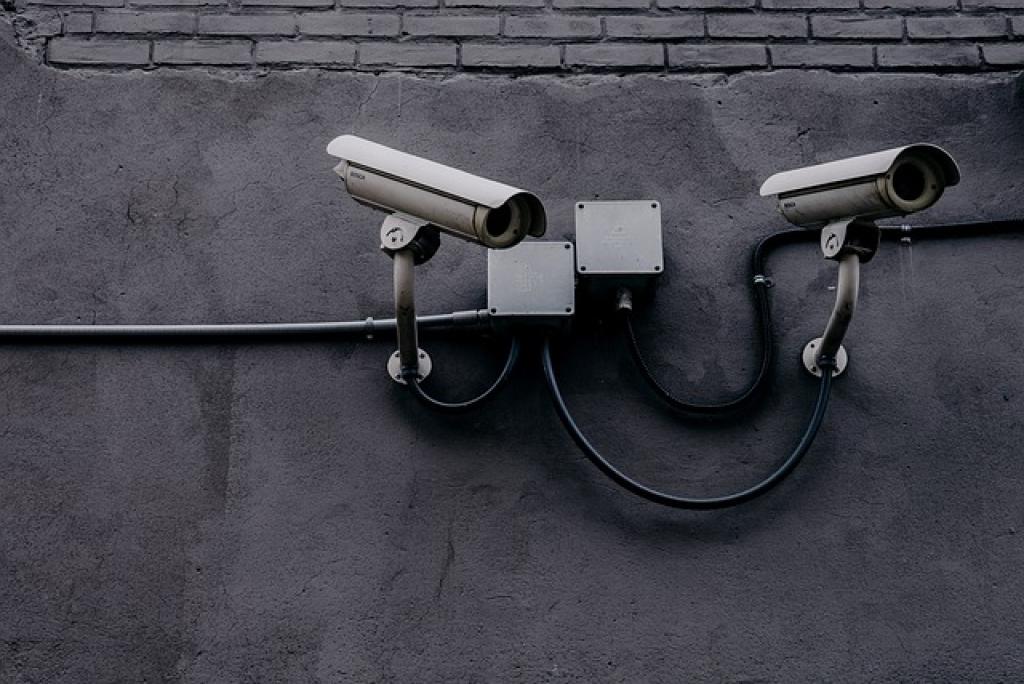
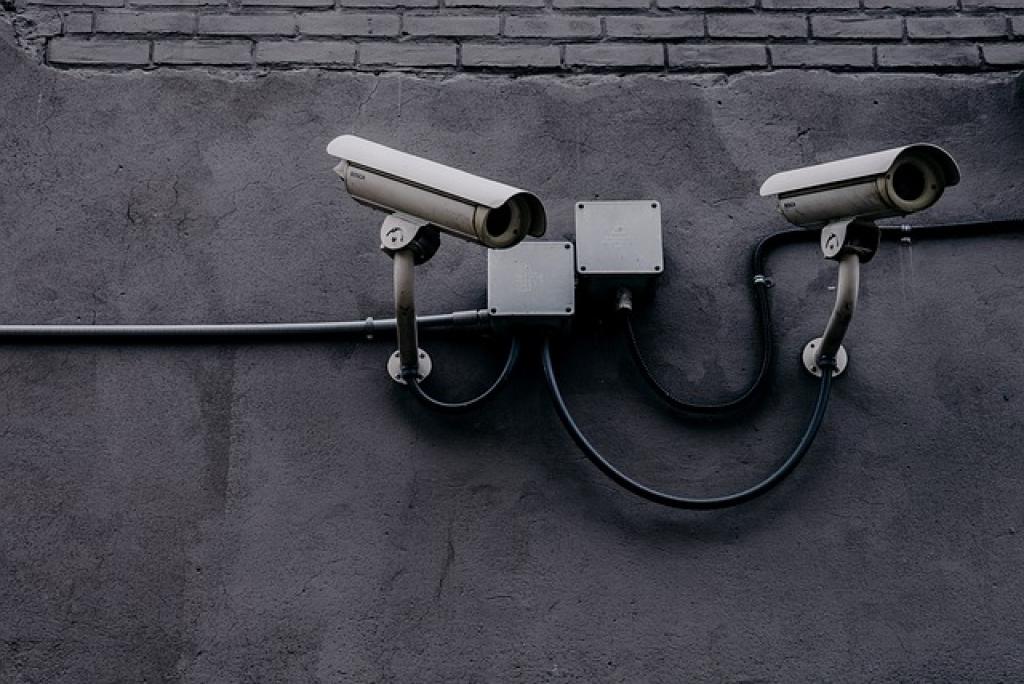
Camera systems are a powerful tool. There is no question about that. A well-placed network of surveillance cameras gives you eyes on every corner of your property. They record everything that happens, which makes them extremely useful for reviewing footage after an incident, identifying suspects, and supporting insurance claims or legal cases. Advanced surveillance and monitoring systems available today can capture high-definition video, operate in low light, send alerts when motion is detected, and allow remote viewing from a phone or computer. For a lot of businesses and venues, this feels like enough.
But here is the thing. Cameras watch. They do not act. When something is happening in real time, a camera cannot step in, de-escalate a situation, remove a threat, or call for help. It records the event while the event is happening to you. That is a meaningful limitation that gets overlooked when people compare the cost of commercial surveillance system installation against hiring professional security staff.
Here are some specific situations where camera systems alone are not enough:
- A shoplifter walks out of a retail store with merchandise. The camera captures it perfectly. But without retail security guards on the floor, nothing stops them in the moment.
- A trespasser enters a construction site after hours. The camera records it. But without onsite security guard services, the trespasser can cause damage, steal equipment, or get injured on the property, which creates liability for the owner.
- A fight breaks out at an event. The camera catches every second of it. But without event safety and crowd control services, guests are left to manage a dangerous situation on their own.
- Someone attempts to break into a vehicle in a parking structure. The alarm system triggers and the camera records the license plate. But without a guard on patrol, the person may be long gone before police arrive.
Cameras are reactive by nature. They document what has already happened. A trained security professional is proactive. They are watching in real time, reading the environment, and stepping in before a small problem becomes a big one. That difference matters a lot depending on what you are protecting and how fast situations can develop in your specific location.
There is also a deterrence gap worth talking about. Visible cameras do deter some people from acting. Research supports that. But experienced criminals, persistent trespassers, and people acting impulsively are often not stopped by a camera. They know the footage may never be reviewed in time to catch them, especially if no one is actively monitoring it. A uniformed security guard is a much stronger deterrent because the consequence of being stopped is immediate and certain.
What Security Guards Provide That Cameras Cannot
Professional unarmed security officers and armed guards bring something no camera ever will: human judgment. A trained guard can read body language, sense when a situation is about to escalate, engage with people directly, and respond physically if necessary. They make decisions in real time based on what they see, hear, and experience in the space they are protecting. That kind of situational awareness is the backbone of effective physical security.
For businesses and event venues in San Francisco, this matters especially because no two situations are exactly alike. A camera follows a fixed field of view. A guard moves. They can follow a suspicious person through a crowd, check a blind spot that the cameras do not quite cover, step outside to investigate a noise, or assist a guest who looks distressed. This mobility is something that even the most advanced surveillance and monitoring systems cannot replicate.
Guards also serve as the human face of your security plan. For events, retail environments, corporate offices, and hospitality venues, a professional security presence communicates to guests, customers, and employees that safety has been taken seriously. That visible reassurance affects how people feel in your space, which matters for your reputation and for the experience you are creating.
Here is a practical guide on what different types of security personnel are suited for:
- Unarmed guards are well suited for retail environments, corporate lobbies, private events, residential properties, and anywhere a professional but non-threatening presence is the goal.
- Armed guards are appropriate for high-value asset protection, armed security guard services for high-risk locations, cash handling operations, or any environment where the threat level requires a stronger deterrent.
- Mobile patrol officers cover larger areas like parking lots, construction sites, and commercial campuses where stationary guards cannot be everywhere at once.
- Event security teams specialize in crowd management, access control, and coordinating with local law enforcement during public and private gatherings.
Experienced security companies also conduct risk assessment and operational security planning before placing personnel. This means they study your specific environment, identify vulnerabilities, and design a coverage plan that addresses the real threats you face rather than applying a generic approach.
How Cameras and Guards Work Best Together
The strongest security setups combine both. Camera systems and professional security guards are not competitors. They are partners. When used together, they cover each other’s weaknesses and create a much tighter layer of protection than either one alone.
Here is how a combined approach works in practice. Cameras provide coverage of areas where it is not practical to station a guard at all times. They create a visual record that supports guards in documenting incidents and filing security compliance logs and reporting services after the fact. When a guard is monitoring a live camera feed, they can spot something developing on screen and respond before it reaches the point of no return. And when a guard is on the floor, the cameras back them up by capturing angles they cannot physically watch at the same moment.
For events specifically, this combination is standard practice among the Jeff Gutierrez Event Security Guard. A team might station guards at all entry and exit points while temporary camera systems cover the interior of the venue and any parking areas. A security lead monitors the feeds from a central point and communicates with floor guards through radio. This setup gives the team full visibility across the entire venue and the ability to respond instantly anywhere it is needed.
For retail environments, real-time surveillance monitoring solutions paired with retail loss prevention security guards on the floor is one of the most effective ways to reduce theft. The cameras catch what the guards miss. The guards stop what the cameras record. Together, they close almost every gap a thief would try to exploit.
Jeff Gutierrez Event Security Guard works with clients across the Bay Area to help them understand how to build a security plan that uses both technology and trained personnel in the right way. The goal is always to create coverage that fits the specific space, the specific risk level, and the specific people who use it.
Common Questions About Cameras vs. Security Guards
Can cameras replace guards entirely? For most businesses and venues, no. Cameras are a valuable part of a security plan, but they cannot respond to incidents in real time, manage crowds, verify identities at access points, or provide the kind of human presence that deters trouble before it starts. There are very limited scenarios, like a small low-risk storage facility with no foot traffic, where cameras alone might be sufficient. For anything involving people, valuables, or public access, trained security personnel add a layer of protection that cameras simply cannot match.
Is it worth paying for 24-hour security services if I already have cameras recording around the clock? Around-the-clock camera recording is useful for reviewing footage after something happens. But if no one is watching those feeds live, a lot can occur between the incident and the time someone finally reviews the recording. For locations with ongoing risk, 24-hour security services that include live monitoring and onsite guards provide a much stronger level of protection than unmonitored footage alone.
What if I cannot afford both cameras and guards? Start with a professional security consultation. A good Bay Area security company will assess your property and help you prioritize based on where your actual vulnerabilities are. In some cases, strategically placed guards during peak risk hours combined with a basic camera system covers most of the gaps without the full cost of a complete setup. Customized physical security planning for businesses is always a better approach than guessing.
Do cameras deter crime on their own? They can, especially when they are visible and well-placed. But the deterrence effect of cameras is limited compared to the presence of a trained guard. Most people who intend to cause trouble weigh the immediate risk of getting caught, not the eventual risk of being identified on footage. A guard represents an immediate consequence. A camera represents a delayed one.
Making the Right Security Decision for Your Space
If you are running a business, managing a venue, or planning an event in San Francisco, the decision between cameras and guards is really a question of what level of protection your situation calls for. Cameras are a smart investment for documentation, remote visibility, and passive deterrence. But they are not a replacement for trained human beings who can think, react, move, and respond in the moment.
The most effective security plans treat camera systems and professional security personnel as two parts of the same strategy. One watches and records. The other watches and acts. When both are working together under a solid operational security management plan, your property, your guests, and your assets are covered from every angle.
Jeff Gutierrez Event Security Guard provides professional security guard services across San Francisco and the wider Bay Area, including armed and unarmed guard services, event security coverage, and guidance on how to integrate physical security with surveillance technology. If you are trying to figure out the right combination for your specific needs, reaching out to a professional security guard company that knows your city and your environment is always the smartest place to start.