
Hidden Gaps in Security Measures
Most businesses and event organizers in San Francisco feel like they have security covered. They have cameras on the ceiling, an alarm system on the door, maybe a guard at the entrance, and a general sense that the basics are in place. But the incidents that actually cost people money, damage reputations, and put guests or employees at risk almost never happen because someone ignored security entirely. They happen because of gaps. Small, often invisible weaknesses in an otherwise reasonable-looking security setup that nobody noticed until something went wrong.
This blog is about those gaps. Not the obvious ones that anyone would catch during a basic walkthrough, but the hidden ones that show up in security plans that look fine on the surface. Understanding where these gaps tend to appear, why they develop, and how to close them is some of the most practical security knowledge a business owner, property manager, or event organizer can have. Whether you are running a retail store in the Mission, managing a commercial property in SoMa, or planning a large event in the Bay Area, this guide will help you see your security setup with clearer eyes.
The Most Common Hidden Gaps in Physical Security
Physical security is the foundation of any protection plan. Guards, barriers, access points, and the layout of a space all determine how well a property can be controlled and monitored. But physical security gaps are surprisingly common, even in environments where significant money has been spent on protection. The problem is usually not a lack of investment. It is a lack of coordination between the different pieces of a security plan.
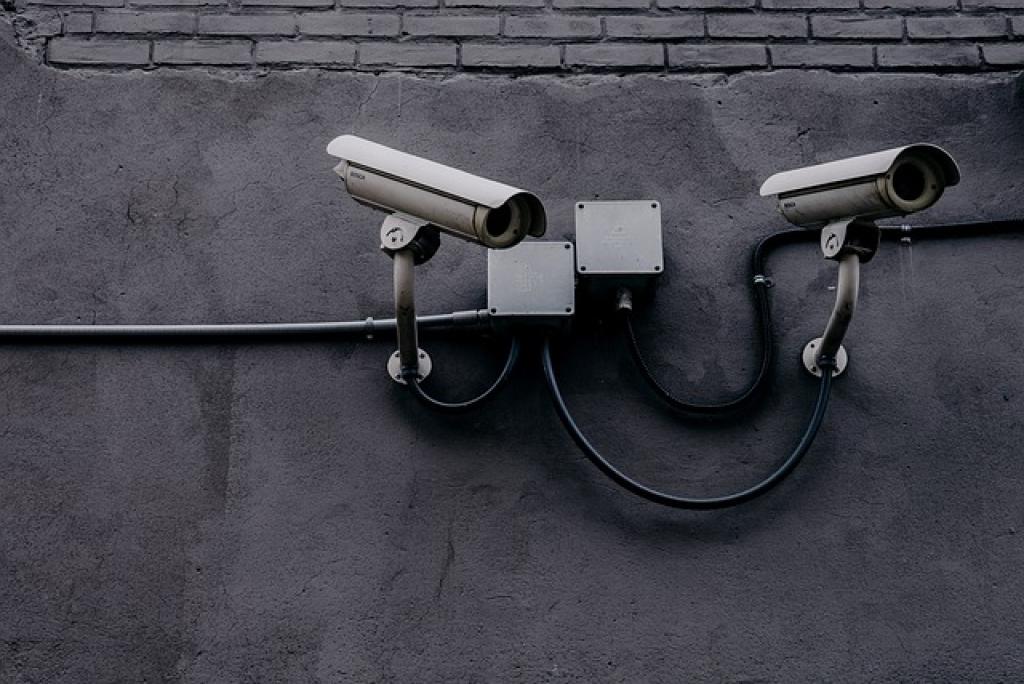
One of the most frequent gaps is camera placement that looks thorough but leaves real blind spots. A business might have eight cameras covering a retail floor, but if none of them are positioned to capture the area just inside the fitting rooms, behind a tall display shelf, or at the rear exit, those cameras are creating a false sense of coverage.
Real-time surveillance monitoring solutions only work when the camera network has actually been designed to eliminate blind spots rather than just fill walls with hardware. Professional surveillance camera installation done by someone who understands how people move through a space and where theft or unauthorized access is most likely to occur looks very different from a basic DIY setup.
Another physical gap that comes up constantly is the transition between covered and uncovered areas. A building might have excellent security inside the lobby but virtually no coverage in the parking structure attached to it. An event venue might have strong access control at the main entrance but an unmanned side door that staff use throughout the night. A retail store might have security guards San Francisco on the main floor but no coverage near the loading dock where deliveries come and go. These boundary zones are where incidents concentrate because they represent the edge of where the security plan was actually designed to reach.
Staffing gaps during shift changes are another hidden weakness that affects both businesses and events. There is often a window of several minutes, sometimes longer, when one guard is leaving and the replacement has not yet arrived or gotten fully oriented. During that window, coverage is reduced and response time is slower. A professional security guard company with strong operational security management protocols builds overlap into shift transitions so that coverage never actually drops to zero during the handover.
Here is a guide-style list of physical security gaps to check in your own environment:
- Walk every entry and exit point in your building or venue, including side doors, loading areas, stairwells, and fire exits that are not typically used by guests or customers.
- Review your camera system coverage by pulling up the live feeds and looking for areas where someone could move through the space without appearing on any screen.
- Check whether your alarm systems cover all ground-floor windows and secondary access points, not just the main doors.
- Identify any areas where valuable items, equipment, or cash are stored that are not covered by either a camera or a regular patrol route.
- Ask your security team how shift transitions are handled and whether there is any window where a post goes uncovered between guard rotations.
Technology Gaps That Create a False Sense of Security
Technology is one of the most powerful tools in a security plan, but it is also one of the most misunderstood. Many businesses invest in alarm systems, camera systems, and surveillance systems and then assume that the technology is handling security for them. The reality is that technology is only as effective as the plan it is part of and the people who are actually using it. When technology is installed without a clear strategy for how it fits into the broader security operation, it creates gaps that can be just as dangerous as having no technology at all.
One of the most common technology gaps is camera footage that nobody is actually watching. A business might have a full commercial surveillance system installation with cameras covering every corner of the property, but if those feeds are only reviewed after an incident occurs, the cameras are functioning as documentation tools rather than prevention tools.
That is useful, but it is not the same as active monitoring. Real-time surveillance monitoring solutions paired with a trained guard who is watching live feeds and can respond immediately to what they see is a fundamentally different level of protection. Advanced surveillance and monitoring systems deliver their real value when someone is engaged with them in the moment, not hours later during a review.
Alarm systems that are not regularly tested are another gap that shows up more often than it should. An alarm that has not been tested in months may have a sensor that stopped working, a battery that needs replacing, or a communication link to a monitoring center that has gone down without anyone noticing. Business alarm system installation is only the first step. Regular testing and maintenance is what keeps the system reliable when it actually needs to perform. A security plan that assumes the alarm is working without verifying it periodically is built on an assumption that may not hold.
Outdated technology is a related problem. Camera systems that were installed five or more years ago may not have the resolution, the low-light performance, or the remote access capabilities of current systems. An alarm system that cannot integrate with modern monitoring services or mobile alerts may be leaving response time gaps that would not exist with a current setup. Enterprise-level physical security solutions and advanced surveillance and monitoring systems have improved dramatically in recent years, and the gap between an older system and a current one is often larger than people realize.
Integration gaps between different technology systems are also worth examining. A property might have a camera system from one vendor, an alarm system from another, and an access control system from a third, with none of them communicating with each other or with the security team in a coordinated way. When a door alarm triggers, the guard should be able to immediately pull up the camera feed for that door on their monitor.
When someone badges into a restricted area outside of normal hours, the system should flag it automatically. Alarm and camera system installation for businesses that is designed with integration in mind creates a much tighter security net than three separate systems operating in isolation.
Planning and Human Gaps That Technology Cannot Fix
Even the best technology and the most thorough physical security setup can be undermined by gaps in planning and human behavior. These are often the hardest gaps to identify because they are not visible on a walkthrough or apparent from reviewing camera footage. They live in processes, habits, and assumptions that nobody has questioned in a long time.
One of the most significant planning gaps is the absence of a real risk assessment. Many businesses in San Francisco operate with a security setup that was put together based on what seemed reasonable at the time or what a previous tenant left behind. A proper risk mitigation and threat assessment looks at the specific environment, the specific threats that apply to that location and type of business, and the specific vulnerabilities in the current setup. Without that foundation, a security plan is essentially a guess. Customized physical security planning for businesses replaces that guess with a strategy built around what the environment actually needs.
Documentation gaps are another area where security plans quietly fall apart. When incidents occur and no one writes them down properly, patterns go unnoticed. A retail store that experiences three thefts from the same area of the floor over two months might catch that pattern and add coverage to that spot if every incident is documented in detail. Without security compliance logs and reporting services, those three incidents look like isolated events rather than a signal that something in the security setup needs to change.
Communication gaps between security personnel and the rest of an organization are a hidden weakness that affects both everyday operations and emergency response. Guards who do not have a clear escalation path, who do not know who to contact when a situation goes beyond what they can handle alone, or who have never been introduced to the people they are supposed to be protecting are operating with a significant handicap. Emergency security guard dispatch protocols and clear communication chains between security teams and management are part of what separates a professional security deployment from a loosely organized one.
For events specifically, the planning gaps often show up in the areas that nobody thought to plan for at all. What happens if a guest becomes seriously disruptive and does not respond to verbal direction? What is the protocol if someone reports a suspicious package? Who makes the call to evacuate and how does that information get to every guard on the floor simultaneously? Event safety and crowd control services provided by experienced professionals include answers to all of these questions built into the plan before the event starts. The best event security companies in San Francisco, including Jeff Gutierrez Event Security Guard, treat pre-event planning as the most important part of the entire deployment.
Closing the hidden gaps in a security plan is not always about spending more money. It is about looking honestly at what is actually in place, asking the right questions, and working with professionals who know where the weak points tend to hide. A physical security planning and audits process conducted by an experienced Bay Area security company gives businesses and event organizers a clear picture of where their current setup is strong and where it needs work.
Jeff Gutierrez Event Security Guard works with clients across San Francisco to identify those gaps and build security plans that address them directly, whether that means adding unarmed security San Francisco personnel to an undermanned property, upgrading camera systems to fill visual blind spots, or redesigning an event security layout to eliminate the access control gaps that would otherwise go unnoticed until something happens.