
What Is the Best Way to Monitor Empty Buildings?
An empty building is not a safe building. That is one of those things that sounds obvious once you say it out loud, but many property owners and business managers do not act on it until something goes wrong. Whether it is a commercial office that sits vacant overnight, a retail store closed for a holiday weekend, a construction site between work shifts, or a property that is between tenants, empty buildings attract trouble.
Trespassers, thieves, vandals, and squatters all look for spaces that appear unmonitored and unprotected. The question is not whether an empty building needs security. The question is what kind of monitoring actually works and how to build a plan that covers the real risks without overspending on things that do not.
This guide covers the most effective ways to monitor empty buildings, how different tools and services work together to create real protection, and what property owners and managers in San Francisco and across the Bay Area should know before putting a monitoring plan in place. Whether you manage one vacant property or several, the information here will help you make smarter decisions about how to protect what you own.
Why Empty Buildings Face Higher Security Risk Than Occupied Ones
It might seem like an empty building has less to protect than one full of people, equipment, and inventory. In some ways that is true. But from a security standpoint, vacant and after-hours properties carry a unique set of risks that occupied buildings do not. The absence of people is itself the problem. There is no one inside to notice when something is wrong, no employees to call for help, and no regular human activity to deter people from approaching or entering the building.
Theft from empty commercial buildings is a persistent problem in San Francisco. Copper wiring, HVAC equipment, plumbing fixtures, and anything else that can be stripped and sold is targeted regularly in vacant properties. For construction sites, the risk is even higher because expensive tools, machinery, and building materials are left on site between shifts with nothing but a fence and a lock standing between them and anyone willing to cut through either. Professional onsite security for construction sites exists specifically because the cost of stolen or damaged materials can set a project back by weeks and tens of thousands of dollars.
Vandalism and illegal occupation are also serious concerns for vacant properties. Once a building develops a reputation for being unwatched, it tends to attract repeated incidents. Graffiti, broken windows, and unauthorized occupants all compound over time and drive up the cost of maintaining a property that is not even generating revenue. The damage from a single overnight trespassing incident can cost more to repair than months of professional security coverage would have cost to prevent it.
Liability is another factor that property owners often underestimate. If someone is injured while trespassing on an unsecured vacant property, the property owner can face legal consequences even though the person had no right to be there. Demonstrating that reasonable security measures were in place, documented through security compliance logs and reporting services, is a meaningful layer of legal protection that many property owners do not think about until they need it.
Here is a guide-style breakdown of the most common risks facing empty buildings in San Francisco:
- Theft of materials, equipment, wiring, and fixtures from commercial and construction properties during off-hours and weekends.
- Vandalism including graffiti, broken glass, and property damage that accumulates quickly once a building is identified as unmonitored.
- Unauthorized occupation by trespassers or squatters, which creates both safety hazards and costly eviction and remediation processes.
- Fire risk from illegal activity on the property, including cooking, heating, or deliberate arson by individuals who know the building is empty.
- Liability exposure for injuries that occur on an unsecured vacant property, regardless of whether the injured person had permission to be there.
The Most Effective Tools for Monitoring Empty Buildings
Monitoring an empty building effectively requires a combination of technology and human oversight. Neither one alone covers all the gaps. Technology extends coverage to areas and times when no person is present, while human professionals provide the judgment, response capability, and deterrent presence that technology cannot replicate. The best monitoring plans for vacant and after-hours properties use both in a way that is proportionate to the specific risk profile of each location.
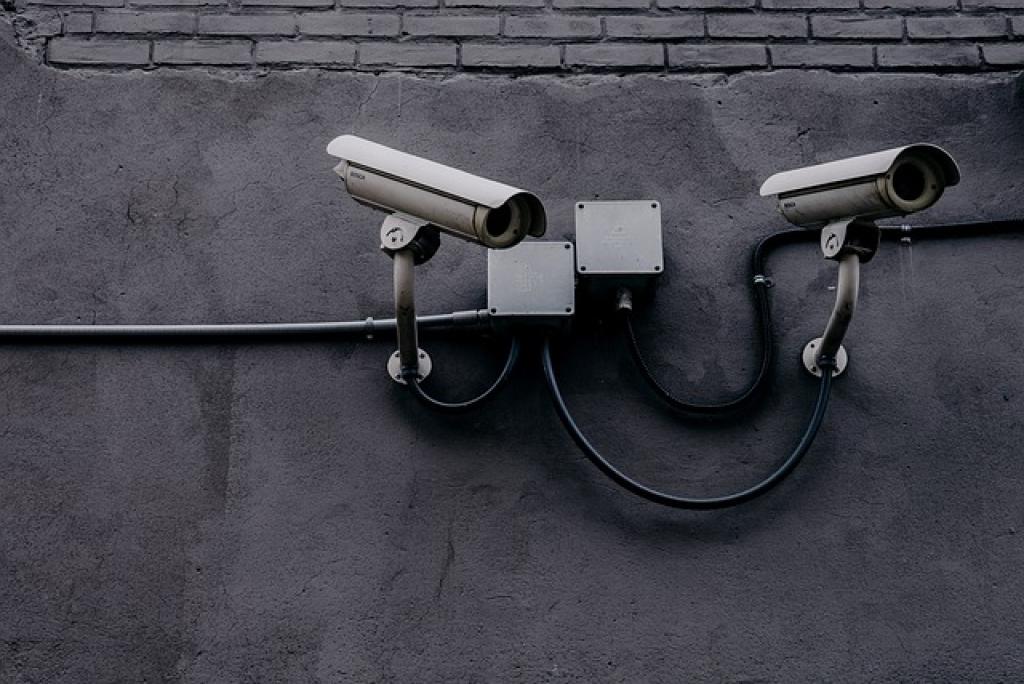
Camera systems are the foundation of any empty building monitoring plan. A well-designed commercial surveillance system installation covers all entry and exit points, perimeter areas, parking lots or access roads, and any interior areas where high-value assets are stored or where unauthorized access would be most damaging. The key word in that sentence is well-designed.
Cameras placed without a clear understanding of how the property is laid out and where threats are most likely to originate will leave blind spots that undermine the entire system. Professional surveillance camera installation done by someone who has assessed the property properly looks very different from a basic camera kit mounted at eye level on the front door.
Modern camera systems for vacant properties increasingly include features like motion-triggered alerts, remote viewing through mobile apps, and integration with alarm systems that can notify a monitoring center or a security team when activity is detected.
Real-time surveillance monitoring solutions that combine live camera feeds with human monitoring allow someone off-site to watch what is happening at a vacant property and dispatch a response immediately if unauthorized activity is detected. This is significantly more effective than recording footage that nobody reviews until after an incident has already occurred and the damage has already been done.
Alarm systems are a critical layer that works alongside camera coverage. A properly installed business alarm system detects unauthorized entry through doors and windows, triggers an audible alert that often deters intruders on its own, and sends an immediate notification to a monitoring center or directly to a security team. Alarm and camera system installation for businesses and vacant properties should be designed so that these two systems work together, with camera feeds automatically displaying the area where an alarm was triggered so that whoever responds can assess the situation before arriving on site.
Motion-activated lighting is a low-cost addition that makes a meaningful difference in deterring unauthorized activity at empty buildings. Well-lit properties are harder to approach undetected and less attractive to people looking for an easy, unobserved target. Lighting does not replace cameras or guards, but it supports both by making camera footage clearer at night and making the property itself feel less like an easy opportunity.
Here is a practical guide to building a layered technology monitoring plan for an empty building:
- Start with a property walkthrough to identify all access points, blind spots, and areas of highest vulnerability before deciding where to place cameras and alarm sensors.
- Install cameras at all entry and exit points, along the perimeter, and at any interior locations where high-value assets or sensitive materials are stored.
- Connect your alarm system to a monitoring service that can dispatch emergency security guard response immediately when an alert is triggered outside of business hours.
- Use motion-activated lighting around the perimeter and at all access points to support camera coverage and increase general deterrence.
- Set up remote access to your camera feeds so you or your security provider can check the property from anywhere and respond quickly if something looks wrong.
- Test all systems regularly, including alarm sensors, camera angles, and communication links to your monitoring service, to make sure everything is functioning as expected.
When Human Security Coverage Makes the Difference
Technology handles a lot, but there are situations where physical security professionals are the most effective tool for monitoring an empty building. A camera records what happens. A guard stops it. That distinction matters enormously when the risk level of a property is high enough that deterrence and rapid response are more important than documentation.
Mobile patrol security is one of the most cost-effective ways to add human oversight to vacant property monitoring. Rather than stationing a guard at a single location for an entire shift, a mobile patrol officer covers multiple properties on a regular route, conducting physical checks at each location, testing access points, and looking for signs of unauthorized activity.
Each visit is logged, creating a documented record of when the property was checked and what was observed. Security compliance logs and reporting services from mobile patrol visits give property owners visibility into their security coverage and a paper trail that supports insurance claims or legal proceedings if an incident occurs.
For higher-risk properties, 24-hour security services with a dedicated onsite guard provide a level of coverage that mobile patrol cannot match. A guard stationed at a construction site overnight, for example, is a visible deterrent that communicates clearly to anyone approaching that the property is actively monitored and protected. This kind of onsite security guard services deployment is standard practice for large construction projects and high-value commercial properties in San Francisco, where the cost of theft or vandalism over an unprotected period can be substantial.
Emergency security guard dispatch capability is an important part of any vacant building monitoring plan that relies on remote camera monitoring. When a camera or alarm alert is triggered, having a professional security team that can respond quickly to investigate changes the outcome of a potential incident significantly. A monitoring service that can only call the police and wait is a much weaker response than one that can put a trained security professional on site within minutes to assess and manage the situation directly.
Risk mitigation and threat assessment services help property owners figure out the right level of coverage for each specific location before committing to a monitoring plan. A professional security guard company that offers this kind of evaluation looks at the property, the neighborhood, the history of incidents in the area, and the value of what is being protected, then recommends a monitoring strategy that addresses the real risks without unnecessary expense.
Customized physical security planning for businesses and vacant properties consistently produces better outcomes than generic approaches because it is built around what the property actually needs rather than what looks reasonable on a standard checklist.
Property owners and managers across San Francisco rely on professional security services to keep their vacant buildings protected between tenants, after hours, and during construction phases. Jeff Gutierrez Event Security works with property owners throughout the Bay Area to build monitoring plans that combine the right technology tools with trained human coverage matched to the specific risk profile of each location.
Whether the need is a basic camera and alarm setup with mobile patrol support or full 24-hour security services with onsite guards and real-time surveillance monitoring, a plan built around the actual demands of the property is always the most effective and most cost-efficient approach. An empty building does not have to be a vulnerable one when the right monitoring plan is in place from the start.