How Security Professionals Handle High-Risk Situations
How Security Professionals Handle High-Risk Situations
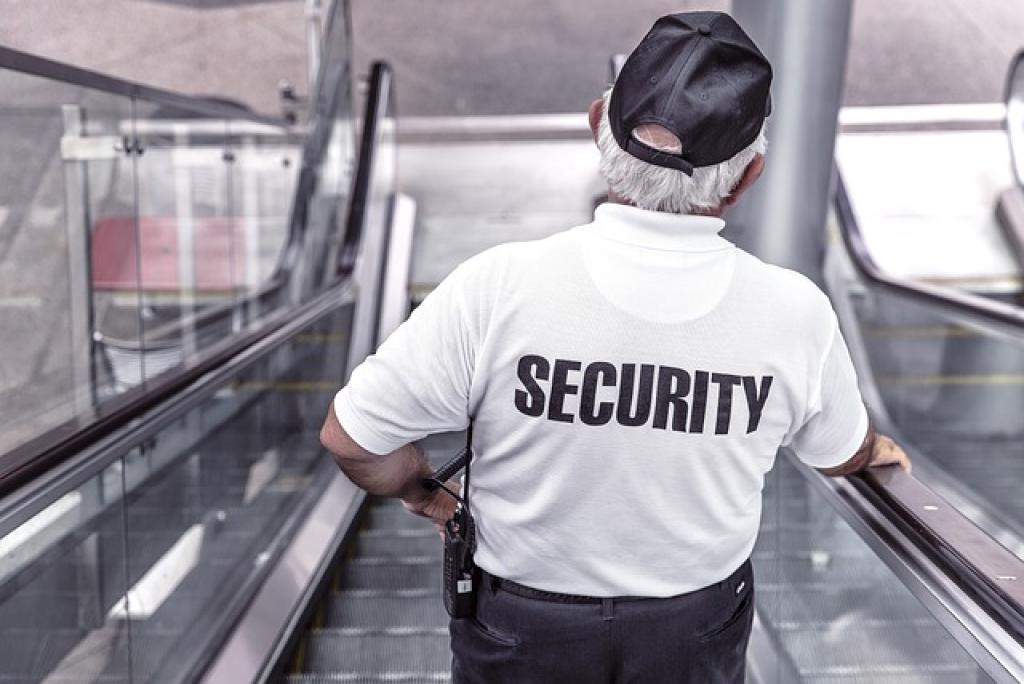
Most people never see the full picture of what a trained security professional actually does when things get serious. From the outside, a security guard standing near an entrance or walking a patrol route looks like a pretty simple job. But when a high-risk situation develops, the training, decision-making, and coordination that kicks in is anything but simple. Security professionals are trained to handle scenarios that most people have no idea how to manage, and they do it in a way that protects everyone involved while keeping the situation from getting worse.
This blog covers exactly how security professionals handle high-risk situations, what their training looks like, how they think through threats in real time, and what makes the difference between a situation that gets resolved quickly and one that spirals out of control. Whether you are a business owner in San Francisco, an event planner, or someone who is simply curious about how professional security services work, this breakdown will give you a clear picture of what happens behind the scenes when security teams go to work.
How Security Professionals Assess and Prepare Before Anything Happens
The best security professionals do not wait for a high-risk situation to figure out what they are going to do. They prepare long before the threat ever shows up. This preparation starts with something called risk assessment and operational security planning. Before a guard ever steps foot on a property or at an event, a professional security company evaluates the environment, identifies the most likely threats, and builds a response plan around those specific risks.
For event security, this might mean walking the venue days before the event to map out entry and exit points, locate blind spots that camera systems do not cover, identify where crowds are likely to gather, and figure out the fastest routes to move people out safely if an emergency occurs. For a retail environment, it means understanding peak foot traffic hours, identifying which areas of the store are most vulnerable to theft, and deciding where onsite security guard services should be stationed for maximum effect.
This planning phase also includes coordinating with local law enforcement, venue staff, and event organizers so that everyone knows their role when something goes wrong. A professional security guard company does not operate in isolation. They build communication into the plan from the start so that when a situation develops, there is no confusion about who does what.
Here are some of the key things security professionals assess during the planning phase:
- The layout of the property or venue, including all access points, parking areas, and blind spots not covered by surveillance systems.
- The expected crowd size and demographic, since different groups carry different risk profiles and require different approaches.
- Any specific threats that have been identified through prior incidents, neighborhood history, or the nature of the event itself.
- Communication protocols between team members, local police, medical staff, and venue management.
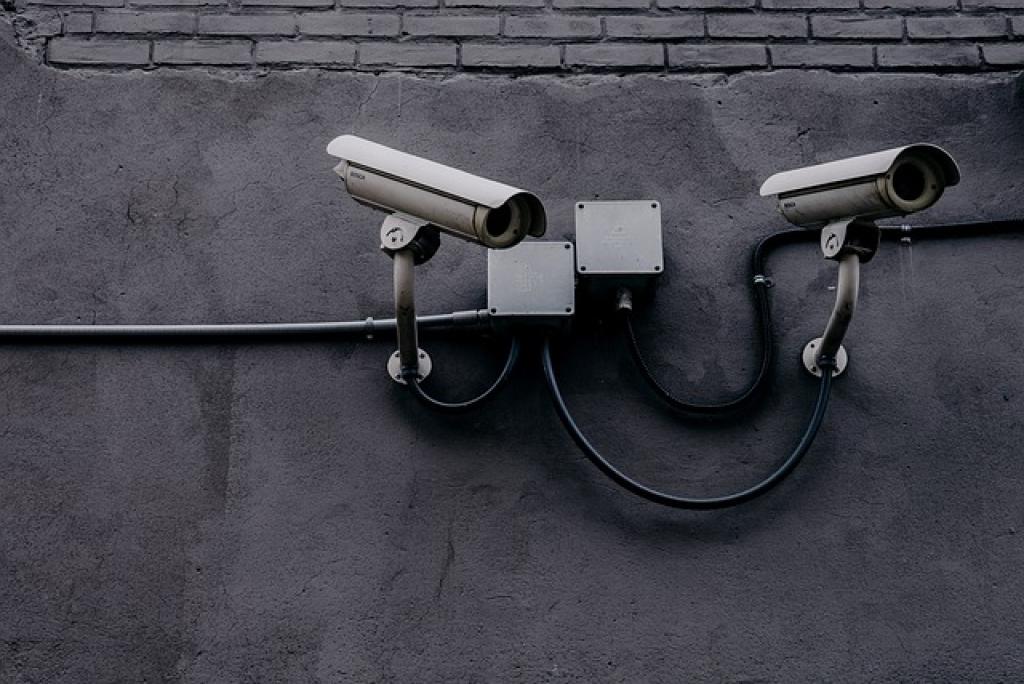
- The placement of camera systems and alarm systems so guards know what is being monitored and where the gaps are.
This level of preparation is what separates professional security services from untrained door staff. By the time a high-risk situation develops, a prepared team already knows what to do because they have already thought through it in detail.
What Happens When a High-Risk Situation Actually Develops
When something goes wrong, the first thing a trained security professional does is assess before acting. This sounds counterintuitive when you picture an urgent situation, but acting without a clear read of what is happening is one of the fastest ways to make things worse. Security professionals are trained to take in the full picture in a matter of seconds: who is involved, where the threat is coming from, how many people are nearby, and what the safest course of action looks like given all of those factors at once.
For a physical altercation at an event, a trained guard does not just rush in swinging. They position themselves to break up the situation with authority and minimal force, use verbal commands to de-escalate, call for backup through their radio, and create distance between the parties involved while keeping bystanders out of the way. This process is drilled through repetitive training so that it becomes second nature under pressure.
For a medical emergency, the role of a security professional shifts immediately. They secure the area around the person in distress, clear space so that emergency responders can reach them, manage crowd behavior to prevent panic, and stay in communication with paramedics or emergency services as they arrive on scene. This kind of event safety and crowd control work is something that requires both training and composure, especially in a crowded environment where panic can spread fast.
Armed guards operate under an additional layer of protocol. Situations that may call for armed security guard services for high-risk locations involve specific use-of-force policies that armed professionals follow with precision. Decisions around drawing a weapon are governed by strict legal and ethical standards, and professional armed guards are trained extensively on those standards. The goal is always to resolve a situation with the least amount of force necessary. The presence of an armed guard is itself a deterrent that often stops a situation from reaching the point where force is needed at all.
Here is a practical guide to how security teams communicate and coordinate during an active incident:
- Radio communication keeps all team members updated in real time so no one is operating on outdated information.
- A designated security lead manages the overall response while individual guards handle their specific roles within the plan.
- Real-time surveillance monitoring solutions allow the security team to track the movement of a threat across the venue even when guards cannot be in two places at once.
- Pre-established signals and codes allow guards to communicate discreetly without alerting the crowd or the threat to what is happening.
- Emergency security guard dispatch protocols mean that additional personnel can be called in quickly if the situation requires more hands on the ground.
The Training Behind High-Risk Response
People often underestimate how much training goes into becoming a professional security officer in California. Licensed security guards in San Francisco and across the state are required to complete state-mandated training before they can work, and that is just the starting point. Professional security companies invest heavily in additional training that goes well beyond the legal minimum.
De-escalation training is one of the most important skills a security professional develops. The ability to talk a person down from an aggressive or agitated state without physical confrontation is something that takes practice and real psychological understanding. A guard who can de-escalate effectively protects everyone involved, including themselves, and avoids the legal and physical risks that come with any use of force.
Crowd management training is another area where professional security teams stand apart. Understanding how crowds behave, how panic spreads, and how to move large groups of people quickly and safely through a space is a specialized skill set. Security operations for large corporate events, festivals, and public gatherings require personnel who have trained specifically in this area, not just general security work.
For private security services for VIP and executives, the training goes even further. Executive protection and armed security professionals learn protective driving, advance work for venue preparation, threat identification in public spaces, and close personal protection techniques. These are skills that take years to develop and that very few people outside the professional security world ever have reason to learn.
Guards who work in retail environments receive specific training in retail loss prevention security, including how to identify theft behaviors, how to approach and detain a shoplifter within the boundaries of the law, and how to document incidents properly for security compliance logs and reporting services. Every type of environment has its own risk profile, and good security training is tailored to match it.
Common Questions About How Security Professionals Handle High-Risk Situations
What is the first thing a security guard does when a fight breaks out? The first step is always to assess the situation quickly. How many people are involved, are any weapons visible, and how many bystanders are at risk? From there, the guard positions themselves between the parties if it is safe to do so, uses clear verbal commands to stop the behavior, and calls for backup while keeping the crowd back. Physical intervention is used only when verbal de-escalation has failed and someone is in immediate danger.
How do security professionals handle someone who is threatening with a weapon? This is a scenario where training makes all the difference. The response depends heavily on whether the guard is armed or unarmed. Professional unarmed security officers are trained to create distance, avoid confrontation, evacuate people in the immediate area, and call for law enforcement immediately. Armed Guards follow their use-of-force training and engage only if there is no other way to protect lives. In every case, the priority is to get people out of harm’s way as quickly as possible.
What happens after a high-risk incident is resolved? Documentation is a big part of post-incident work. Security professionals write detailed incident reports that cover what happened, when it happened, what actions were taken, and what the outcome was. These reports feed into security compliance logs and reporting services that protect businesses and event organizers legally and help improve future security planning. A good Bay Area security company treats every incident as a learning opportunity to tighten their approach going forward.
How do security guards stay calm under pressure? Training and experience. The more realistic scenario training a security professional goes through, the more their brain learns to stay focused rather than panic when a real situation develops. Breathing techniques, clear mental protocols, and team communication all play a role. The professionals who handle high-risk situations best are the ones who have run through those scenarios so many times that their response becomes almost automatic.
Businesses and event hosts across San Francisco count on teams like Jeff Gutierrez Event Security Guard because they want professionals who have done this work, who have trained for the hard moments, and who show up prepared for whatever a venue or event might throw at them. When a high-risk situation develops, the difference between a team that is ready and one that is not is the difference between a resolved incident and a disaster. That is why the training, the planning, and the experience behind every professional security deployment matters as much as it does.
“`