The Importance of Security Assessments for Tech Offices
San Francisco is home to some of the most valuable intellectual property and proprietary technology in the world. The companies that operate here, from early-stage startups to global tech giants, hold product roadmaps, source code, hardware prototypes, financial data, and client information that competitors and bad actors would pay a great deal to access. And yet, a surprising number of tech offices in the Bay Area operate without ever having conducted a formal security assessment. They have badge readers on the doors, maybe a camera or two in the lobby, and a general assumption that their building management handles the rest. That assumption leaves real gaps, and those gaps have real consequences.
A security assessment is not just a box to check for compliance purposes. It is the process of taking an honest, systematic look at every layer of physical security in a workplace and identifying what is working, what is not, and what is missing entirely. For tech offices specifically, where the value of what is inside the building often far exceeds the value of the building itself, this kind of evaluation is one of the most practical investments a company can make. This blog explains what a security assessment actually involves, why tech offices in San Francisco need them, and what strong physical security looks like once the gaps have been identified and addressed.
What a Security Assessment Actually Covers for a Tech Office
A lot of people hear the phrase security assessment and picture someone walking around with a clipboard checking whether doors lock properly. The reality of a professional physical security planning and audits process is much more thorough than that. A proper assessment looks at the entire security ecosystem of a workplace, from the outside perimeter all the way to the most sensitive areas inside the building, and evaluates how each layer of protection is performing relative to the actual threats the company faces.
The assessment starts with the physical layout. How many entry and exit points does the office have? Which ones are actively monitored and which ones are left to rely on a badge reader with no human oversight? Are there areas inside the office where someone who has passed through the front door could access sensitive hardware, server rooms, or executive workspaces without any additional verification? These questions sound basic, but the answers reveal vulnerabilities that many offices have been living with for years without realizing it.
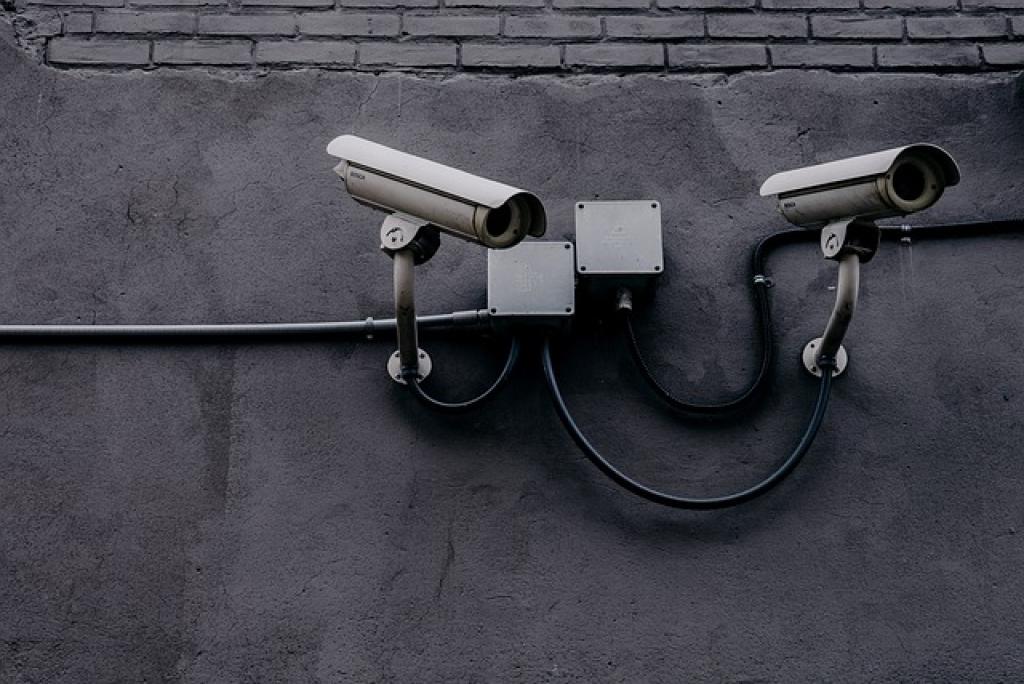
Camera systems and alarm systems are evaluated next. Not just whether they exist, but whether they are placed correctly, whether they are functioning properly, and whether anyone is actually monitoring them in real time. A commercial surveillance system installation that was done three years ago and has never been reviewed may have cameras that are angled incorrectly, have degraded image quality, or are covering areas that no longer reflect how the office is actually used. Advanced surveillance and monitoring systems need to be aligned with the current layout and current risk profile of the space, not the layout that existed when the cameras were first put up.
Access control is a major focus in any tech office assessment. This includes not just the main entrance but every internal door, every restricted area, and every protocol around how visitors, contractors, delivery personnel, and temporary staff are handled. One of the most consistent findings in physical security planning and audits for tech offices is that visitor management is poorly controlled. Someone can walk through a front door, sign in on a tablet, and then wander freely through the office without anyone tracking where they go or verifying that they actually have a reason to be there. For an office that contains proprietary hardware or hosts confidential meetings, that is a serious gap.
Here is a guide-style checklist of what a thorough security assessment for a tech office should examine:
- All entry and exit points including emergency exits, loading areas, and any doors that are regularly propped open by staff out of convenience.
- The coverage and condition of existing camera systems, including whether footage is being stored properly and for an adequate retention period.
- Alarm system functionality, including whether all sensors are active, when the system was last tested, and how alerts are routed when triggered outside of business hours.
- Internal access control for server rooms, executive offices, hardware labs, and any area where sensitive materials or data are stored or handled.
- Visitor and contractor management protocols, including how badges are issued, tracked, and collected when a visit ends.
- Guard coverage, including whether any onsite security guard services are currently deployed, what their scope of responsibility is, and whether that scope actually matches the risk profile of the space.
- After-hours security, including whether 24-hour security services or mobile patrol coverage is in place for periods when the office is empty.
Why Tech Offices Face Unique Physical Security Risks
Tech offices are not the same as a retail store or a general commercial office building. The nature of what they contain and the culture of how they operate creates a specific set of physical security risks that a standard business security solutions approach does not always account for. Understanding those risks is part of what makes a security assessment so valuable for this type of workplace.
Prototype hardware and unreleased products are among the most targeted assets in any tech office. A single device that has not yet been announced publicly can be worth enormous amounts in competitive intelligence. The people who want access to that kind of material are not always opportunistic thieves. Sometimes they are sophisticated actors with specific knowledge of what a company is working on and a deliberate plan to get access to it. Risk mitigation and threat assessment services that are designed for tech environments account for this level of targeted risk, which is very different from the general theft and vandalism risks that most security plans are built around.
The open office culture that is common in the tech industry creates access control challenges that more traditional office environments do not have. When most of the office is an open floor plan with no interior barriers between workstations and meeting rooms, a visitor who gets past the front desk has essentially unrestricted access to everything. This design makes collaboration easy but physical security hard. A professional security assessment identifies how to manage access in an open environment without completely changing the layout or the culture of the workplace.
Tech offices also frequently host external events. Product demos, investor meetings, recruiting events, press briefings, and company celebrations all bring outside people into a space that contains sensitive assets and information. Event security for these situations is not the same as event security for a public festival. It requires a plan that balances hospitality with protection, making sure that visitors have a positive experience while ensuring that they only access the areas they are supposed to see. Security operations for large corporate events held at tech offices need to be integrated with the office’s existing security infrastructure, not treated as a separate operation that ignores it.
High-profile executives and key employees at tech companies can also face personal security risks that extend into the workplace. Private security services for VIP and executives at tech firms sometimes involve close personal protection, managed arrival and departure routes, and coordination with building security to make sure that certain individuals are protected both inside the office and when moving between the office and other locations. Executive protection and armed security services designed for tech environments understand the difference between protecting a CEO at a public event and managing their security in a workplace setting where the goal is protection without disruption.
What Strong Physical Security Looks Like After a Tech Office Assessment
Once a security assessment has been completed and the gaps have been identified, the real work begins. Building a physical security plan for a tech office that actually addresses what the assessment found is where customized physical security planning for businesses makes a meaningful difference. A generic security package applied to a tech office without accounting for its specific layout, its specific assets, and its specific culture will always leave something important uncovered.
The guard component of a tech office security plan typically involves professional unarmed security officers at the main entrance, managing visitor check-in, monitoring lobby camera feeds, and handling the first line of access control throughout the day. For offices with particularly sensitive areas or higher threat profiles, armed security guards San Francisco may be deployed in specific roles, particularly for after-hours coverage or for events where a stronger deterrent is needed. The combination of armed and unarmed guard services allows the security plan to match the right level of coverage to each area and time period rather than applying the same approach everywhere.
Technology upgrades that come out of an assessment often include improved camera placement, updated alarm systems, and the integration of existing systems into a more coordinated monitoring setup. Professional surveillance camera installation done after an assessment is guided by the findings of that assessment, which means cameras go where the gaps actually are rather than where it seemed convenient to put them originally. Alarm and camera system installation for businesses that is informed by a real evaluation of the space consistently outperforms systems that were installed without that foundation.
Operational protocols are just as important as hardware. Security compliance logs and reporting services create a documented record of everything that happens in the security operation, from visitor check-ins to incident reports to patrol logs. Those records are valuable for identifying patterns, for demonstrating due diligence to insurers or regulators, and for improving the security plan over time based on real data rather than assumptions. Operational security management that includes regular reporting gives tech office leadership visibility into how the security operation is actually performing day to day.
Companies across the Bay Area work with professional security providers to build these kinds of layered, well-coordinated security plans. Jeff Gutierrez Event Security Guard supports tech offices and corporate clients throughout San Francisco with security assessments, guard services, and physical security planning that is built around the actual demands of each workplace. A Bay Area security company that understands the tech environment brings a level of relevant experience to the assessment process that makes the findings more actionable and the resulting security plan more effective. The goal is always the same: a workplace where people, assets, and information are genuinely protected, not just technically covered by a system that nobody has reviewed in years.