
Security Patrol Strategies for Large Commercial Properties
A patrol sounds easy. A guard walks around, looks at things, and goes home. On a small property, that is close to the truth. On a large commercial property, it is a puzzle. There may be several buildings, a parking structure, loading docks, rooftops, fences, courtyards, and long stretches of dark pavement. A guard cannot be in all those places at once, and a thief only needs a few quiet minutes in the one place nobody is looking.
That is why smart patrol design matters. A good patrol is not random walking. It is a plan that decides where guards go, when they go, how they get there, and what they do once they arrive. This blog walks through the main strategies that work for big properties such as office parks, shopping centers, business campuses, industrial yards, hotels, and mixed-use developments. You will see how routes are built, how timing is kept unpredictable, which tools help, and how to measure whether the patrol is doing its job.
Start With the Map: Zones, Routes, and Timing
Every strong patrol begins with a map and a list of risks. Before a single guard walks a route, the security team studies the property. Where are the entrances? Where are the blind corners? Which areas hold the most valuable items? Which spots have had problems before? This step is called risk assessment and operational security planning, and it decides almost everything that comes next.

Once the risks are known, the property is split into zones. A zone is a section small enough for one guard or one patrol vehicle to cover well. A shopping center might have a front lot zone, a back service zone, a food court zone, and a parking garage zone. A business campus might have one zone per building plus a perimeter zone. Zones give every area an owner, so nothing is left in the gray space between two guards who each think the other one has it.
Next come the routes. A good route touches every important spot without wasting steps. High-risk areas get visited more often than low-risk ones. A loading dock that holds expensive goods may be checked every hour. A quiet storage room that is always locked may be checked twice a night. The goal is to put guard attention where trouble is most likely, not to spread it evenly like butter.
Timing is where many patrols fail. If a guard walks the same path at the same minute every night, anyone who watches the property for a few days can learn the schedule. They simply wait until the guard has passed and then act. Smart patrols fix this by mixing up the order and the timing. One night the guard starts at the garage. The next night, at the roof. Some rounds are quick passes, and others are slow, careful checks. This keeps the property unpredictable and keeps would-be intruders guessing.
Time of day changes the plan too. Mornings may focus on opening checks, deliveries, and staff arrivals. Afternoons may focus on customer flow and parking lots. Evenings and nights usually carry the highest risk for break-ins and trespassing, so patrols may be tighter then. Because trouble does not follow business hours, many owners look into 24-hour security services San Francisco property managers use for round-the-clock coverage, with patrols scaled up or down by hour.

Guide tips for building patrol routes:
- Walk the property at night with a flashlight and note every dark spot, hidden corner, and unlocked door
- Rank each area as high, medium, or low risk and set patrol frequency to match
- Change the starting point and order of rounds from shift to shift
- Leave a few gaps in the written schedule so guards can respond to hunches and real-time alerts
- Review routes every quarter because buildings, tenants, and neighborhoods change
Foot, Vehicle, or Both: Choosing the Right Patrol Style
Large properties often need more than one kind of patrol. Each style has strengths, and the best plans mix them.
Foot patrol is the most personal option. A guard on foot can open doors, check windows, listen for odd sounds, and talk with tenants and visitors. This builds trust and gives guards a close look at details a vehicle would miss. Foot patrol suits lobbies, hallways, parking decks, courtyards, and stairwells. The downside is speed. A guard on foot takes a long time to cross a large site, so foot patrols work best inside smaller zones.
Vehicle patrol covers more ground. A car, small SUV, or utility cart lets one guard check a long perimeter, move between buildings, and reach an alarm quickly. Headlights and a marked vehicle also send a clear message that the property is watched. Vehicle patrol works well for big lots, industrial sites, and campuses that stretch across many acres. The weakness is detail. From a car window, a guard can miss a propped door or a small tool left behind, so vehicle patrols should stop often and step out to check key points.
Bike and cart patrols sit in the middle. They are quiet, quick, and friendly, which makes them a good fit for shopping centers, hospital grounds, and university-style campuses. Because they are quiet, guards can often hear and see more than they could from inside a car.
Static posts add another layer. A guard at the front gate, loading dock, or main lobby controls who comes in and out. Patrol guards roam. Post guards hold the line. When both work together, the property is covered in motion and in place. Onsite security guard services often use this blend, with a lead guard coordinating radio contact between posts and patrols.
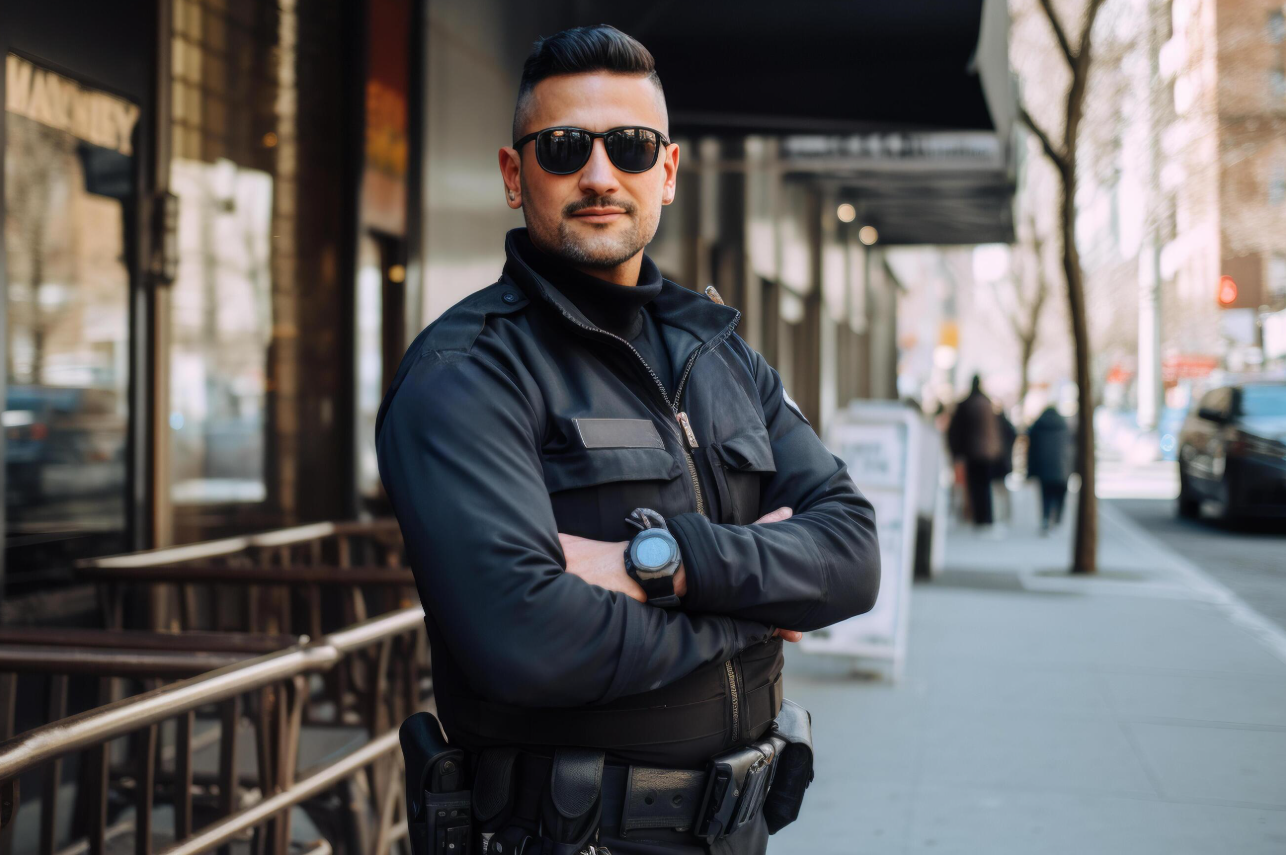
The type of guard also matters. For most commercial properties, professional unarmed security officers handle patrols, door checks, visitor questions, and first response to small problems. Unarmed security San Francisco properties use is trained to observe, report, and calm tense moments without force. Unarmed guard services for offices and retail fit well in lobbies, shopping areas, and tenant spaces where a friendly presence matters.
Some properties carry higher risk. Cash rooms, high-value inventory, past violent incidents, or threats against tenants can call for stronger protection. Armed security guard services for high-risk locations are meant for these cases and should follow a written risk review. If you plan to hire armed security guards, ask about licensing, training, and how they avoid using force. Armed security guards San Francisco managers hire are often placed on specific posts or night patrols rather than across the whole property. Many owners choose armed and unarmed guard services together so each guard fits the task.
Special sites need special routines. Professional onsite security for construction sites often means overnight vehicle patrols, fence checks, and equipment counts, because tools and materials are easy targets and the layout changes weekly. Retail environments rely on retail store security guards who walk the floor, watch entrances, and discourage theft by being visible. Retail loss prevention security patrols may focus on stockrooms, dumpsters, and loading areas where products leave unnoticed. Top retail theft prevention security companies train guards to read behavior, not just uniforms or clothing. Retail security guards San Francisco shopping centers hire should also know how to work with store managers and local police.
Tips for choosing a patrol style:
- Use foot patrol for dense areas with many doors, stairs, and tenants
- Use vehicle patrol for long perimeters, large lots, and spread-out buildings
- Use bike or cart patrol where quiet and friendliness matter
- Add static posts at gates, docks, and lobbies where entry control is key
- Match guard type to risk level instead of picking one style for everything
Technology, Checkpoints, and Proof That the Patrol Worked
Technology makes patrols smarter, but it does not replace people. The best setups use tools to guide guards, confirm their work, and give them extra eyes.
Checkpoints are a simple and powerful tool. These are scan points, such as small tags or codes placed at key spots on the property. When a guard reaches a checkpoint, they scan it with a phone or handheld device. The system records the time and location. This proves the guard actually visited each spot, and it helps managers see whether routes are followed. Checkpoints should be placed at places that matter, such as doors, gates, equipment rooms, and dark corners, rather than only at easy locations.
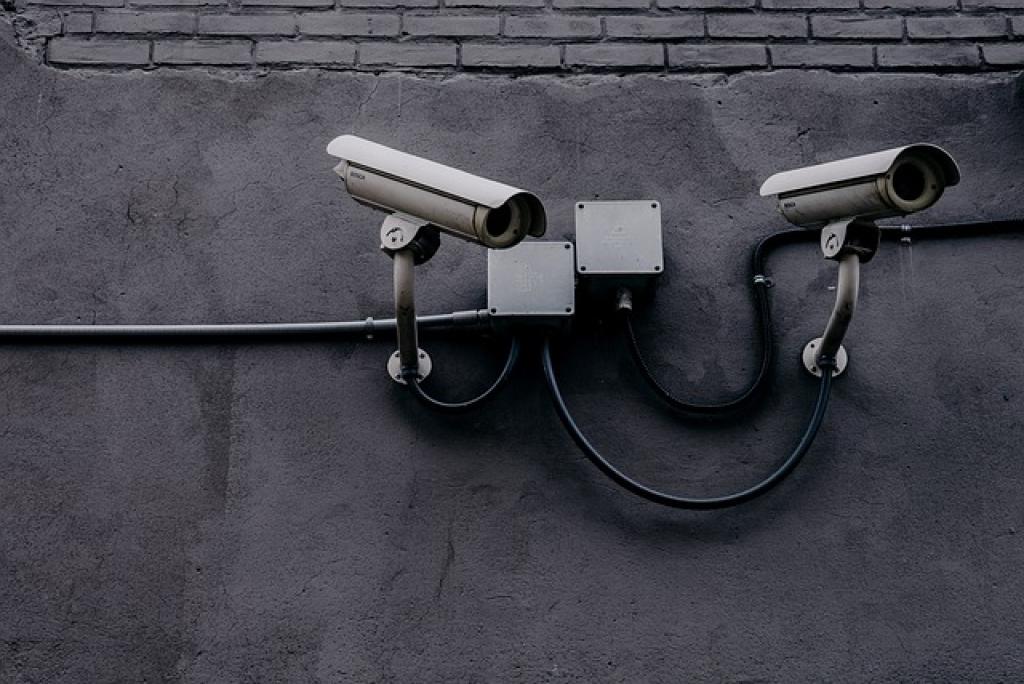
Camera systems and wider surveillance systems act as the second set of eyes. A guard on the east side of a campus cannot see the west lot, but a camera can. Real-time surveillance monitoring solutions let an operator watch live video from many areas and guide patrol guards by radio. If the operator sees someone climbing a fence, the nearest patrol is sent in seconds. Advanced surveillance and monitoring systems can also flag motion in zones that should be empty, which saves guards from checking quiet areas that are fine.
Good camera coverage starts with proper setup. Commercial surveillance system installation done by trained crews places cameras where they cover entries, lots, docks, and fences without wasting views. Professional surveillance camera installation includes night vision, strong mounting, and safe storage of recordings. Local surveillance system installers San Francisco property managers work with understand weather, lighting, and building layouts in the area, which helps when selecting equipment.
Alarm systems connect doors, windows, and motion sensors to a monitoring center. When an alarm triggers, the patrol team knows exactly which zone to check. Business alarm system installation should include clear zone names so the alert says “loading dock east door” rather than just “alarm.” Alarm and camera system installation for businesses works best when both are linked, so an alarm pulls up the nearest camera right away. Physical security measures such as fences, gates, strong locks, and lighting give patrols a head start by making entry harder in the first place.
Radios and mobile apps keep the team connected. Each guard should be able to reach the command point and other guards at any moment. Some teams also use panic buttons, GPS tracking, and shared incident forms. These tools matter most when a guard faces a surprise, such as an injured visitor, a suspicious person, or a fire alarm. If the problem is bigger than the patrol can handle, emergency security guard dispatch sends extra staff quickly, which is useful for properties that do not keep a large team on site.
Reports turn patrol work into proof and insight. Security compliance logs and reporting services record patrol times, checkpoint scans, alarms, incidents, and actions taken. These records support insurance claims, tenant questions, and legal needs. They also reveal patterns. If three late-night alarms came from the same door, the issue may be a bad sensor or a weak lock. If most incidents happen at 2 a.m. near the garage, the plan can shift. Reports let owners ask smarter questions and make better choices with their budget.
Large properties often host special days too. A concert in the parking lot, a corporate open house, or a holiday market adds crowds and changes the patrol plan. Event security San Francisco properties book for these days often includes extra posts, fencing, bag checks, and radio coordination. Event safety and crowd control services keep walkways clear and exits open. Security operations for large corporate events and security guard services for festivals and events use the same patrol ideas on a bigger scale.
High-end event security management adds detailed schedules and backup staff. When people search for event security services near me, it helps to choose a team that handles both daily patrols and special events, since the skills overlap. The best event security companies in San Francisco often provide both. Private security services for VIP and executives can also be added when a public figure visits the property, and executive protection and armed security specialists coordinate closely with the regular patrol team.
Picking the right partner shapes the whole program. A professional security guard company should explain its training, supervision, and backup plans in plain words. Ask how patrol guards are supervised at night, what happens if a guard calls out sick, and how quickly the company replaces missing staff. A security guard company San Francisco owners trust will share references and sample reports.
A Bay Area security company with local experience will know the neighborhood, the police response patterns, and the common trouble times. Business security services Bay Area owners depend on usually include a written post plan for each site. Larger groups may want customized physical security planning for businesses, physical security planning and audits, or corporate security consulting to compare options across several properties.
Premium business security consulting and enterprise-level physical security solutions help groups with many sites build one steady standard, while operational security management sets rules, schedules, and reporting lines. Risk mitigation and threat assessment services keep the plan updated as threats change. Business security solutions like these grow with the property over time. Jeff Gutierrez Event Security Guard approaches patrol planning the same way, starting with the property itself instead of a generic template. If you are searching for professional security guards near me, ask for a site visit before signing anything.
Questions to ask before you hire a patrol provider:
- How do you prove that guards visited every checkpoint on every shift?
- How do you change patrol routes and timing so they stay unpredictable?
- Who supervises night patrols, and how often do they check in?
- How fast can extra guards reach my property in an emergency?
- Can I see a sample report and a sample patrol schedule?
- How do you train guards to talk with tenants, visitors, and unhappy people?
Here is the big idea. A strong patrol is not about walking more. It is about walking smarter. Know your risks, split the property into zones, mix foot and vehicle coverage, keep timing unpredictable, and back guards with checkpoints, cameras, alarms, and clear reports. Then review the results often and adjust. Large commercial properties will always have wide spaces and many doors, but they do not have to have blind spots. With a thoughtful patrol plan, the property feels calm, tenants feel safe, and trouble finds a harder target somewhere else.