How Security Prevents Conflicts from Escalating
Nobody wakes up planning to start a fight. Most conflicts begin with something tiny. A bumped shoulder. A long line. A rude comment. A drink spilled on a new jacket. Left alone, a tiny spark can grow fast, especially in a crowd, at night, or when tempers are already high. The job of security is to catch that spark early and put it out before anyone gets hurt.
This is the part of security most people never see. They notice the guard at the door, but they do not notice the guard who quietly stepped between two guests and turned a loud argument into a handshake. Stopping a fight before it starts is the best result in the industry, and it leaves no story to tell. This blog explains how trained teams do it, step by step, in plain words you can use at your own event, shop, or business.
Reading the Room: How Guards Spot Trouble Early
Conflict has a pattern. It rarely jumps from calm to violent in one second. It climbs a ladder. First comes irritation. Then raised voices. Then pointing, close faces, and sharp words. Then pushing. Then a punch. A trained guard watches for the lower rungs of that ladder, because the lower the rung, the easier the fix.
Body language gives the first clues. A person who is clenching their jaw, pacing, or standing very close to someone else is often close to a boiling point. So is a group that goes quiet all at once, or a person who keeps looking back at someone across the room. Guards learn to notice these small signals while still doing their normal rounds. Good event security is part watching and part listening.
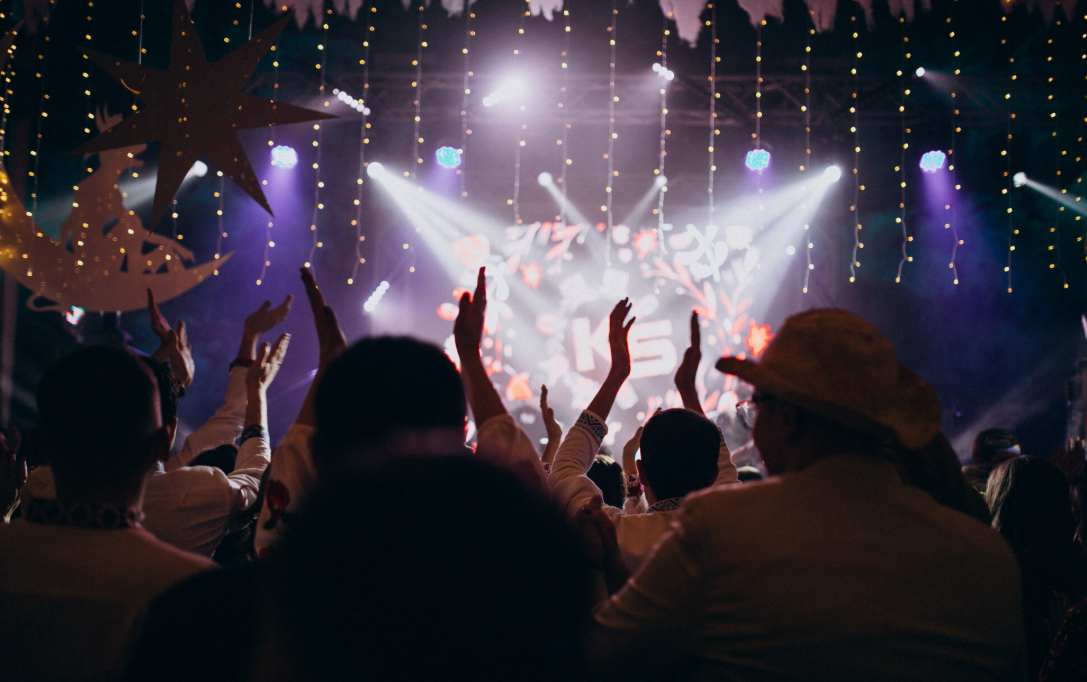
The setting matters too. Heat, noise, long waits, and crowded spaces all make people edgy. Alcohol makes it worse. A shoving match at a packed festival gate is far more likely than the same argument in a quiet lobby. That is why event safety and crowd control services focus so much on flow. When lines move, doors stay open, and people have room, fewer arguments start. Many fights are really crowd problems wearing a different costume.
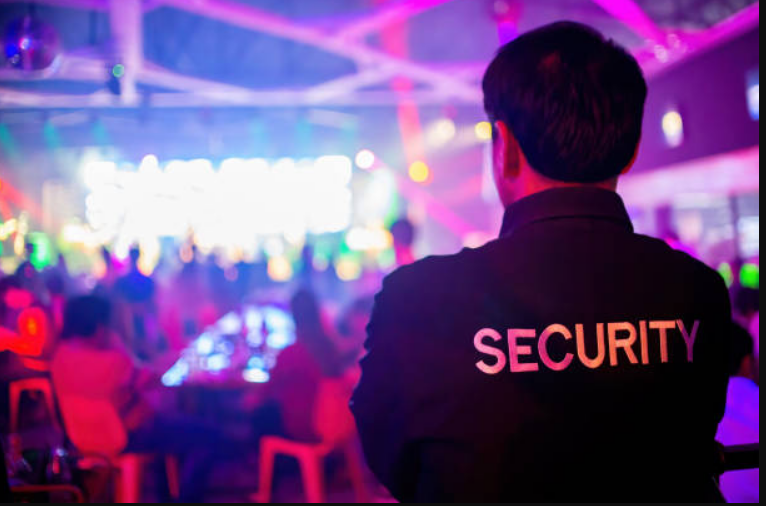
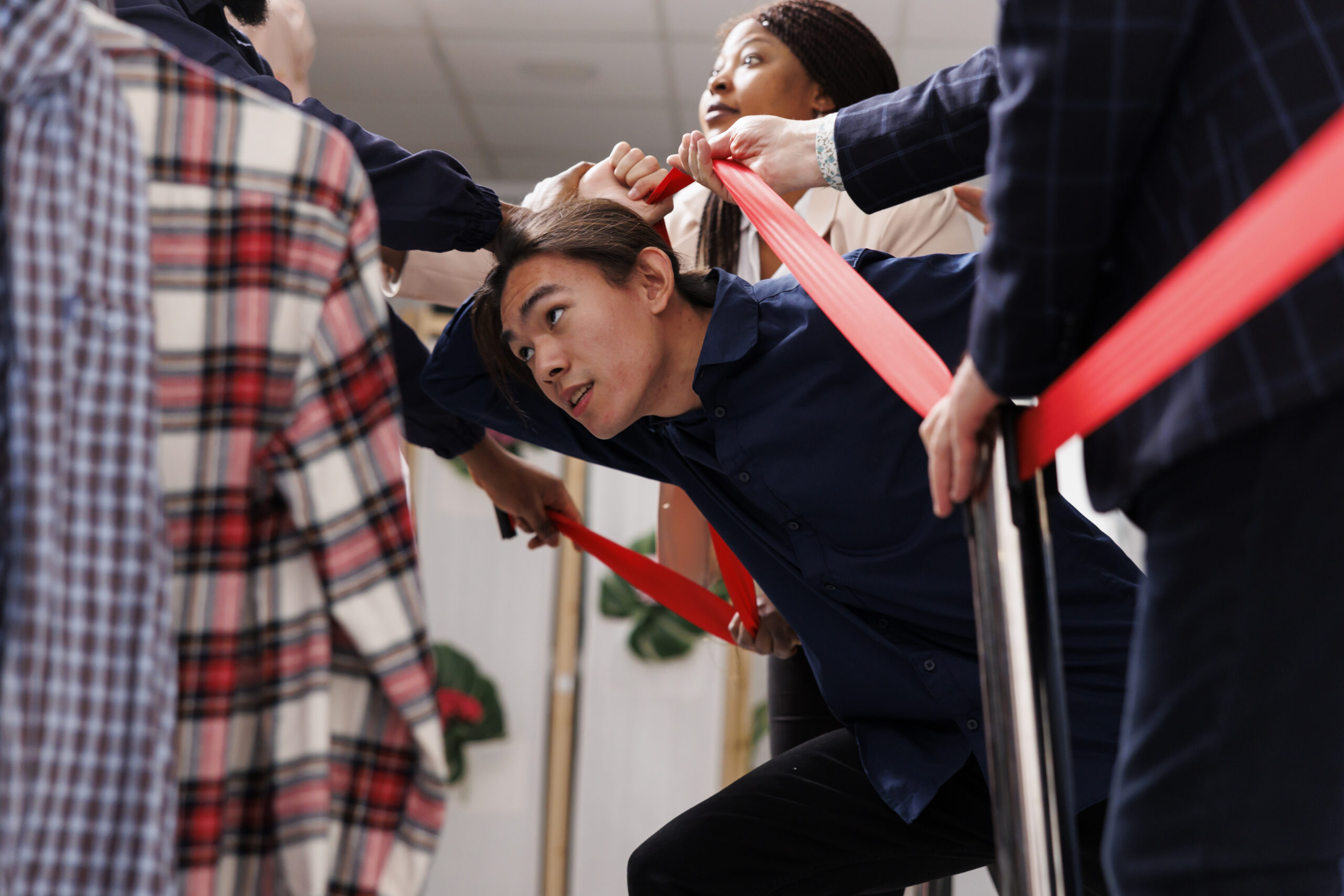
Experienced teams also know the common triggers. Cutting in line, seat disputes, spilled drinks, unwanted attention toward another guest, and disagreements over bills or entry rules cause a big share of incidents. Guards who expect these moments can stand nearby before they happen. Presence alone often calms things, because people tend to behave better when someone calm and professional is close.
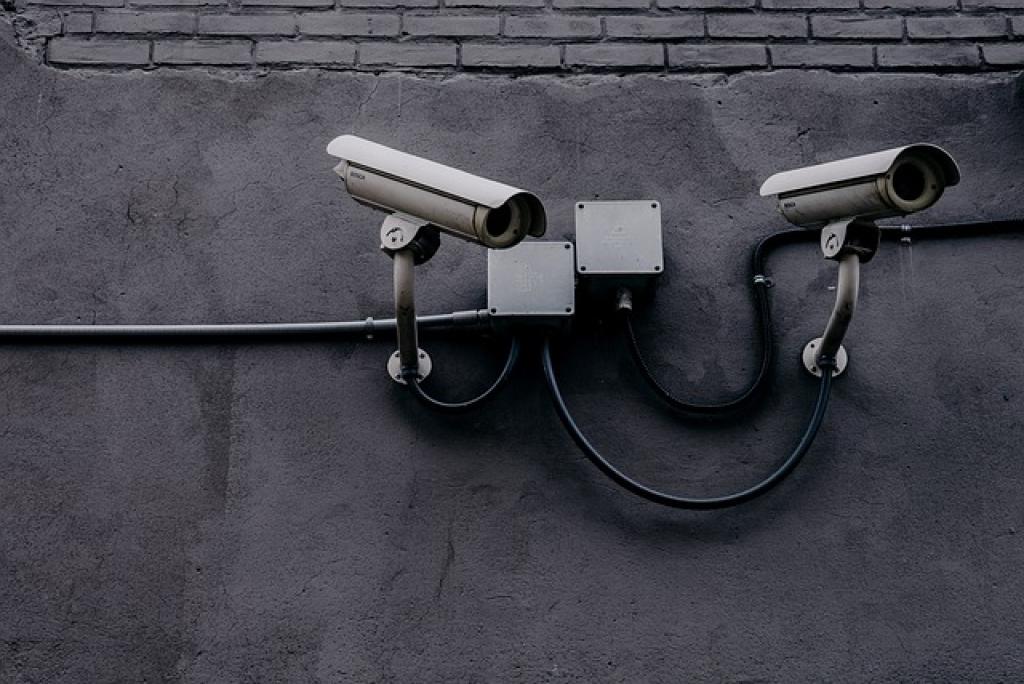
Cameras help guards see more than their own eyes can. Camera systems and wider surveillance systems let a command point watch many areas at once. Real-time surveillance monitoring solutions can show a tense group forming at the back of a venue while the guards near the front have no idea. The operator sends a radio message, and a guard walks over before the first shove. Advanced surveillance and monitoring systems are not about spying on guests. They are about giving the team extra eyes so they can act early.
Early warning signs guards are trained to watch for:
- Raised voices, fast speech, or sudden silence between people who were just arguing
- Clenched fists, tight shoulders, or a person standing very close to another person’s face
- Groups gathering around two people, especially with phones out
- Repeated trips to the same spot, such as someone returning again and again to confront another guest
- A guest who is clearly drunk, upset, or refusing simple requests from staff
The Calm Words and Calm Moves That Stop a Fight
Once a guard sees trouble forming, the real skill begins. De-escalation is a set of habits, not a trick. The goal is to lower the heat so people can think again. Here is how skilled guards usually do it.
First, they slow everything down. A guard who walks up fast with a hard voice adds fuel to the fire. A guard who walks up at a steady pace, keeps hands visible and relaxed, and speaks quietly gives the other person something calm to match. Voices tend to follow voices. If the guard stays low and slow, the guest often does too.
Second, they stand smart. A guard stays a few steps away, slightly to the side, and keeps an easy path to exit. This respects personal space and keeps both people safe. Standing directly in front of someone, chest to chest, feels like a challenge. Standing at an angle feels like a conversation.
Third, they listen. Angry people usually want to be heard more than anything else. A guard who says, “Tell me what happened,” and then truly listens can drain a lot of anger in under a minute. Repeating back the main point shows the person they were understood. “So the line moved and you lost your spot. That sounds frustrating.” Nothing in that sentence takes sides, yet it softens the moment.
Fourth, they separate people. Two angry people in the same spot keep feeding each other. A guard can ask each person to step aside to talk, one at a time, with a second guard if available. Moving away from the crowd also removes the audience. Many people act tougher when others are watching. Take away the audience, and the act often fades.
Fifth, they offer a way out. People fight harder when they feel trapped or embarrassed. A good guard gives a choice that lets everyone save face. “Let’s get some air for a minute” works better than “You need to calm down.” Telling an upset person to calm down almost never works. Offering a simple, respectful next step usually does.
Sixth, they stay clear about limits. Calm does not mean soft. If someone keeps pushing, the guard states the rule in plain words and explains what happens next. “If this continues, I will need you to leave.” The guard says it once, clearly, without anger. Many people back down when the boundary is stated this way.
The type of guard matters here. Professional unarmed security officers are usually the front line for this kind of work. Their training centers on talking, observing, and positioning, and their presence feels welcoming rather than threatening. Unarmed security San Francisco venues, shops, and offices use every day handles most conflicts without any force. Unarmed guard services for offices and retail also help calm customer disputes, return arguments, and tense moments at checkout.
There are situations where a higher level of protection is needed. If a site has a history of weapons, if cash is stored on site, or if threats have been made, armed guards may be part of the plan. Armed security guard services for high-risk locations are chosen through a careful review, not on impulse. If you decide to hire armed security guards, ask how they are trained to avoid using force and how they work alongside unarmed teammates. Armed security guards San Francisco businesses rely on should be licensed, calm, and clear about their role. Many sites use armed and unarmed guard services together, so each guard fits the task.
Guide tips you can use right now to calm a tense moment:
- Lower your voice instead of raising it, and speak slowly
- Use the person’s name if you know it, and keep your tone respectful
- Ask one open question, such as “What happened?” and then stay quiet while they answer
- Avoid phrases like “calm down” or “relax,” which often make people angrier
- Move the conversation away from the crowd to a quieter spot
- If you feel unsafe, step back and call a guard instead of handling it alone
Building a Setup That Stops Conflict Before It Begins
Great guards help, but the best prevention starts long before an argument. Smart planning removes many triggers entirely. This is where physical security planning and audits come in. A security team walks a space and looks for pressure points. Narrow hallways, a single checkout lane, a coat check blocking the exit, a bar placed next to the main door. Each one is a recipe for a bad moment. Moving a table or adding a second line can prevent a fight that would never have happened if the layout had been better.
Risk assessment and operational security planning lists likely conflicts and ranks them. A wedding may carry family tension and alcohol. A concert may carry crowd surges. A retail sale may carry shopper disputes. Risk mitigation and threat assessment services also check for guests with known disputes, past incidents at the same venue, or outside groups likely to show up. Knowing these risks early lets the team put guards, signs, and rules in the right spots.
Clear rules help more than most people think. Posted signs for bag checks, re-entry, and behavior set expectations before anyone arrives. Staff who explain rules politely stop many arguments before they start. When a rule is applied the same way to everyone, guests see it as fair. Unclear or uneven rules create the feeling of being picked on, and that feeling starts fights.
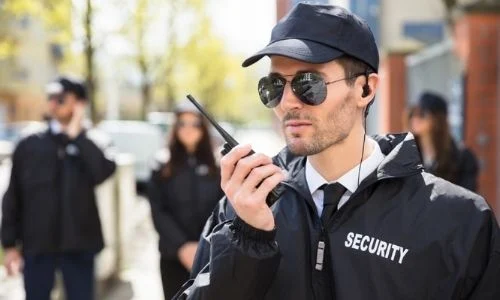
Communication keeps the whole team connected. Radios let guards call for backup, warn each other about a guest, and pass along updates. A designated lead guard makes decisions and keeps the team from talking over each other. Event security San Francisco crews often use hand signals as well, so they can coordinate quietly in loud rooms. Security operations for large corporate events add a command post and a clear chain of command so nobody wonders who decides.
Security guard services for festivals and events work the same way across large outdoor spaces. High-end event security management adds earpieces, written scripts for common situations, and extra staff held in reserve. If you search for event security services near me, ask each company how they train guards in de-escalation and what their rules are for physical contact.
Sometimes, despite everyone’s best efforts, a situation grows past talking. That is when backup and clear protocols matter most. A second guard arrives, the crowd is moved back, and the people involved are separated. If anyone is hurt, medical help is called right away. If a threat is made, law enforcement may be needed. Emergency security guard dispatch brings extra staff quickly for sites that cannot keep a large team on hand. The best teams treat physical contact as a last step, used only to protect people, and they stop as soon as the danger ends.
Documentation protects everyone. Security compliance logs and reporting services record who was involved, what was said, which steps were taken, and how the situation ended. A clear report helps with insurance, venue questions, and legal issues. It also shows patterns. If most arguments happen at the same gate at the same hour, the fix may be a layout change rather than another guard.
Conflict is not only an event problem. Shops, offices, hotels, and job sites face it too. Retail security teams handle upset customers, refund disputes, and theft confrontations. Retail store security guards stand near entrances and calm shoppers before frustration spreads. Retail loss prevention security plans train staff to handle suspected theft without a public scene, because a loud accusation can turn a quiet problem into a fight. Top retail theft prevention security companies teach this skill because it keeps both staff and customers safe. Retail security guards San Francisco stores hire should know how to talk to people respectfully while still protecting the business.
Offices and construction sites have their own tensions. A visitor may be upset about a meeting, a fired worker may return angry, or a contractor may argue with a neighbor. Commercial security guard services provide a steady, trained presence at the front desk or gate. Professional onsite security for construction sites keeps disputes with passersby and trespassers from growing.
Onsite security guard services also build relationships with regular visitors, and people who know a guard by name are less likely to cause trouble. Private security services for VIP and executives plan for tense encounters too, with advance routes, quiet exits, and close protection when a public figure draws strong feelings. Executive protection and armed security teams are trained to move a person away from conflict, not toward it.
Tools support the people. Alarm systems alert the team when a restricted door is opened during a dispute. Business alarm system installation can add panic buttons for front desk staff who face upset visitors. Alarm and camera system installation for businesses helps guards see what happened if a conflict is later reported. Commercial surveillance system installation and professional surveillance camera installationprofessional surveillance camera installation give a clear record, and surveillance system installers San Francisco businesses use can place cameras where tension tends to rise, such as lobbies, counters, and parking lots. Even a visible camera can calm people, because they know their actions are seen. Physical security works best when tools, layout, and people all support one another.
Choosing a partner matters. A professional security guard company should train guards in de-escalation, not just standing and watching. Operational security management, corporate security consulting, and premium business security consulting help larger groups set steady rules across many sites. Enterprise-level physical security solutions and business security solutions bring those rules together in one plan. A security guard company San Francisco owners trust will share training details and give references.
Look for 24-hour security services if your risk continues after hours, and 24-hour security services San Francisco businesses use can also cover late events. A Bay Area security company with local experience knows which venues, streets, and times tend to cause trouble, and business security services Bay Area clients depend on often include regular check-ins.Jeff Gutierrez Event Security Guard teaches its guards to value calm words before any other tool, which is a standard worth looking for in any provider. When you search for professional security guards near me, ask to hear how the guards would handle a heated argument, and listen for patience.
Questions worth asking any provider about conflict handling:
- What de-escalation training do your guards complete, and how often is it refreshed?
- When is physical contact allowed, and how do you document it?
- How do guards handle a friend or relative of the host who refuses to follow rules?
- Who makes decisions when a situation grows, and how do guards reach them?
- Will I get a written report after any incident, and how fast?
Here is the simple truth. Conflicts do not have to become fights. Most of the time, they need a calm person, a little space, and a clear next step. Security teams make that happen by watching early, speaking gently, planning smart layouts, and backing each other up. When it all works, nothing dramatic happens, and the night simply goes on. That quiet outcome is the whole point. If you plan an event or run a business, make sure the people protecting it know how to turn down the heat. A small moment handled well is a big problem that never happens.