
24/7 Business Security Monitoring
Most break-ins do not happen at noon. They happen when the lights are off, the staff has gone home, and the street is quiet. That is why more business owners are asking about 24/7 business security monitoring. The idea is simple. Someone is always watching your property, and someone can act fast when something looks wrong.
The idea is simple, but the setup is not always easy to understand. There are cameras, alarms, monitoring centers, guards, and reports. Each one does a different job. This guide explains how the pieces fit together, what a good night looks like, and how to build round-the-clock protection that fits your business and your budget.
Why Trouble Does Not Keep Business Hours
Think about when your business is most open. It is open when your team is there, your customers are walking in, and your doors are unlocked. Now think about when it is most exposed. That is the opposite. Nights, weekends, and holidays leave empty buildings with valuable things inside. Anyone who wants to steal, vandalize, or break in knows this.

Different businesses face different risks after dark. A restaurant may deal with after-hours break-ins aimed at cash and equipment. A warehouse may lose pallets of goods in a single night. An office may have people try to enter to steal laptops or private files. Retail security is a daily worry for stores in busy parts of the city, where thieves often test locks and watch closing routines. Even a quiet business can be a target if it looks easy.
A part-time plan leaves gaps. If your cameras only record, no one sees the problem until the next morning. If your alarm only makes noise, no one may come. If you only have a guard on weekdays, the weekend becomes the open window. Round-the-clock monitoring closes those windows by making sure a person or a system is ready at every hour.
Many owners in the city ask about 24-hour security services San Francisco companies can offer. The answer is that the best plans use more than one tool. Some businesses need only remote monitoring. Others need guards on site. Many need both. The right mix depends on what you protect, where you are, and what has happened nearby before.
Signs your business may need round-the-clock coverage:
- You have been hit by a break-in, theft, or vandalism after closing time
- You store expensive goods, tools, or equipment on site overnight
- Your building sits near areas with high foot traffic late at night
- Your insurance company has asked for stronger protection
- You run shifts that start very early or end very late with few people around
The Four Parts of Round-the-Clock Monitoring
Good monitoring is like a team. Each member has a role, and the team only works when everyone does their part. Here are the four parts that matter most.
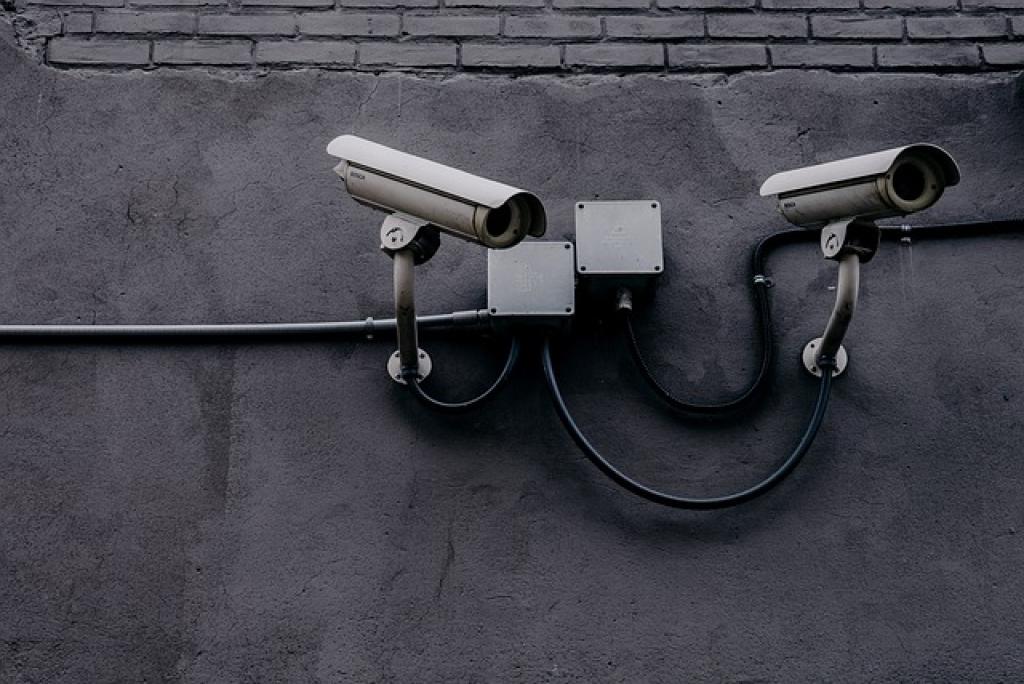
The first part is the eyes. Camera systems and wider surveillance systems show what is happening on your property. They should cover doors, windows, loading docks, parking spaces, and any spot where valuable things are kept. Placement matters more than the number of cameras. A few well-placed cameras beat many that all point at the same wall.
Commercial surveillance system installation done by trained people starts with a map of your building and a plan for removing blind spots. If you are searching for surveillance system installers San Francisco businesses trust, look for teams that visit your site first instead of quoting from a phone call. Professional surveillance camera installation also covers the boring but important work, like wiring, night vision settings, and storage.

The second part is the alarm. Alarm systems tell you the moment a door is forced, a window breaks, or motion shows up where it should not. An alarm by itself only makes noise. It becomes powerful when it is tied to a monitoring center that gets the alert right away. Business alarm system installation should include sensors on all entry points, a panic button option for staff, and a backup power source so the system keeps working during an outage. Alarm and camera system installation for businesses works best when both are set up together, so an alarm in one spot can pull up the camera view for that spot in seconds.
The third part is the watcher. This is the person at the monitoring desk. Real-time surveillance monitoring solutions put a trained operator in front of your live camera feeds and alarm alerts. When something triggers, the operator checks the video, decides if it is real, and takes the next step. That might be a voice warning through a speaker, a call to the police, or a message to a guard. Advanced surveillance and monitoring systems can also use motion alerts and smart filters, so the operator does not waste time on a cat or blowing leaves.
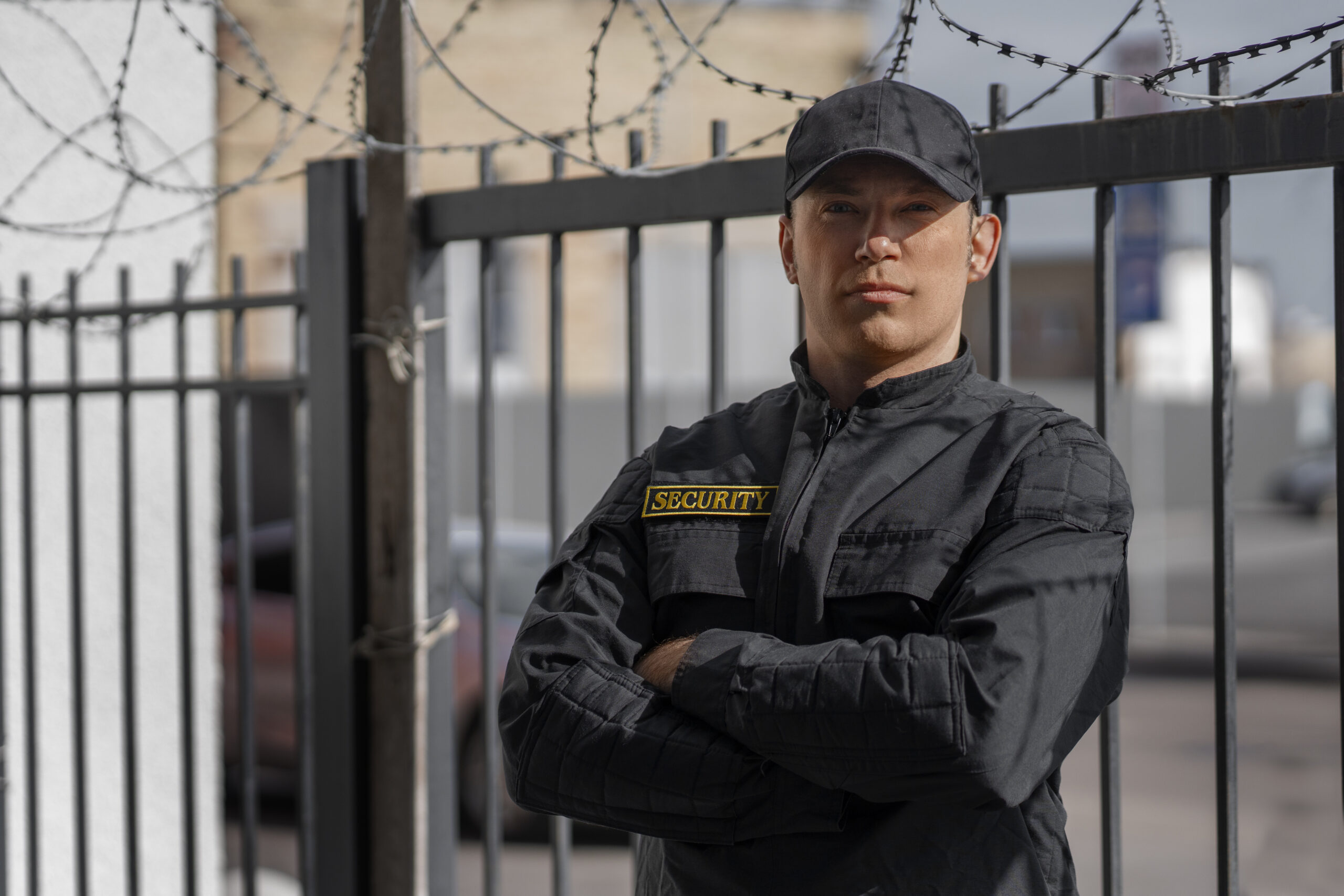
The fourth part is the responder. Technology can spot a problem, but a human has to deal with it. Onsite security guard services place trained people at your property to patrol, check doors, and handle visitors. For businesses that cannot afford a full-time guard, emergency security guard dispatch sends someone quickly when an alarm confirms trouble. This gives smaller properties a real response without a full-time cost.
Many owners wonder about the type of guard they need. Professional unarmed security officers are the right fit for most offices, shops, and storage sites. They watch, report, and calmly steer situations toward a safe result. Unarmed guard services for offices and retail also add a friendly, professional face at the front door. Unarmed security San Francisco businesses use is often enough to stop casual theft and trespassing.
Some places carry more risk. Think of cash-heavy sites, high-value inventory, or buildings with a history of serious incidents. Armed security guard services for high-risk locations can make sense there. If you decide to hire armed security guards, base the choice on a written risk review, not on fear alone. Armed security guards San Francisco property managers hire should be licensed, trained, and clear about when force is allowed. Many companies offer armed and unarmed guard services together, so you can place each type where it fits best.
Quick tips for choosing between guards and remote monitoring:
- Choose remote monitoring if your site is small, well lit, and mostly empty at night
- Add a mobile patrol or dispatch service if you want a physical check without paying for a full shift
- Choose a full-time guard if you have large inventory, many entry points, or a history of incidents
- Pair guards and cameras so each one covers what the other cannot
- Ask any provider how fast they can reach your site, and ask for the answer in minutes
Hour by Hour: What a Good Night Shift Looks Like
It helps to picture a real night. Here is what solid 24/7 monitoring often looks like from closing time to sunrise. Your own plan may differ, but this gives you a clear idea of what to expect and what to ask for.
At closing time, the first job is a lockup check. A guard or a remote operator confirms that doors are locked, lights are on in the right places, and the alarm is armed. Any problem is noted right away. This is also when staff leave, so the system watches for people who should not still be inside.
In the late evening, the property is quiet but still active. Cleaners, deliveries, and late workers may come and go. The monitoring team keeps track of who is on the approved list. Anyone outside that list gets a closer look. Access logs show who entered and when, which helps if there is a question later.
Between midnight and 4 a.m., risk is often at its highest. Streets are empty, and a break-in can go unnoticed for hours. This is when live monitoring earns its cost. Operators watch for motion in odd places, doors that open without a badge, and cars that circle the lot. Patrol guards walk the property at random times, so no one can predict the pattern. If an alarm fires, the operator checks the cameras within seconds, speaks to anyone on site through a speaker if needed, and sends a response.
Near sunrise, the early crowd arrives. Bakers, delivery drivers, and opening managers all show up before most people wake. The team switches from night mode to day mode, clears the alarm, and hands off notes to the next shift. Nothing gets lost in the handoff because everything is written down.
That writing matters more than most owners expect. Security compliance logs and reporting services turn a quiet night into a record you can use. A good report lists each patrol, each alarm, each visitor, and every action taken. If an insurer asks what happened, or if there is a dispute with a tenant or a worker, you have a clear timeline. Logs also help you spot patterns. If the same door triggers three false alarms a week, you can fix the sensor instead of ignoring it.
Events add another layer. Some businesses rent out space for parties, launches, and meetings after hours. In those cases, monitoring has to cover both the building and the crowd. Event security San Francisco venues use often blends door checks, guest lists, and camera views from one command point. Event safety and crowd control services keep people moving and calm. High-end event security management adds detailed planning, from guard placement to emergency exits.
Security operations for large corporate events can include dozens of staff, radios, and live camera feeds working together. Security guard services for festivals and events work the same way on a bigger scale, with outdoor fencing and entry gates added to the plan. If you are searching for event security services near me, ask whether the team also handles day-to-day building monitoring, because the skills overlap. Several of the best event security companies in San Francisco also run regular business security services Bay Area owners depend on all year.
A strong night shift has these signs:
- Guards and operators know the site layout and the approved visitor list
- Patrol times change from night to night
- Every alarm gets a reply within a set number of minutes
- Radios, phones, and backup power are tested each shift
- A written report arrives after every night, not just after incidents
How to Build Monitoring That Fits Your Business
You do not have to buy everything at once. The smartest path starts with a plan, then builds in steps. Here is a simple order that works for most businesses.
Start with a risk review. Risk assessment and operational security planning looks at your building, your hours, your neighbors, and your past problems. It ranks threats from most likely to least likely. Risk mitigation and threat assessment services go one step further by suggesting fixes and estimating the cost of each one. This review keeps you from overspending on one thing while ignoring another.
Next, walk the property with an expert. Physical security planning and audits check locks, lighting, fences, doors, and sight lines. You may find that a cheap fix, like better lighting or a stronger door frame, solves a big gap. Customized physical security planning for businesses also considers how your team works, so new rules do not slow down daily tasks. Physical security is the base layer. Cameras and guards work better when the building itself is hard to enter.
Then choose your technology. Pick camera systems that fit your layout and alarm systems that connect to a real monitoring center. Make sure your provider can explain how alerts reach a human being, and how fast. Ask what happens if the internet goes down or the power fails.
After that, choose your people. Commercial security guard services can add a patrol, a front desk guard, or an overnight post. Professional onsite security for construction sites is a good example of tailored staffing. Those sites have tools, fuel, and materials that thieves love, plus open fences and changing layouts. Guards there often work overnight and weekend shifts when no crew is around.
Retail store security guards are a different example. They stand near entrances, watch the floor, and discourage theft by being seen. Retail loss prevention security plans often combine floor guards with camera views of high-theft shelves. Top retail theft prevention security companies also train staff to spot shoplifting patterns, so everyone helps. For stores, retail security guards San Francisco shop owners hire should know local theft trends and how to work with nearby police.
Some owners and executives need extra care. Private security services for VIP and executives cover travel, offices, and events. Executive protection and armed security is a specialty for people with public profiles or known threats. This service includes advance planning, safe routes, and discreet teams. If this applies to you, ask about training, licensing, and past experience before you sign.
Large companies often want everything under one plan. Enterprise-level physical security solutions combine access control, camera networks, alarm systems, guard teams, and reporting into one platform. Operational security management ties it all together by setting rules, schedules, and reporting lines. Corporate security consulting helps leaders compare options, set budgets, and avoid overlap between vendors. Premium business security consulting adds deeper audits and long-term planning for companies with many sites. Business security solutions at this level are built to grow as the company grows.
 ” alt=”monitoring”>
Finally, pick the right partner. A professional security guard company should be licensed, insured, and happy to share references. Look for a security guard company San Francisco businesses already trust, and ask them how they handle missed shifts, sick calls, and emergencies. A Bay Area security company with its own training program usually delivers steadier results than one that hires last minute. If you search for professional security guards near me, read reviews and ask to meet the team lead. Jeff Gutierrez Event Security Guard is one example of a local team that handles both events and ongoing site coverage, which shows how those skills connect.
Questions to ask any provider before you sign:
- How fast can you reach my property after an alarm, and how do you prove it?
- Who watches my cameras at 3 a.m., and how many sites does that person watch?
- What training do your guards receive, and how often is it refreshed?
- What happens if a guard calls out sick or a system goes offline?
- Can I see a sample report before I start?
- How do you handle false alarms, and who pays any city fines?
Cost is a fair concern. Remote monitoring costs much less than full-time guards. Guards cost more but offer a real human presence. Many businesses start with cameras and monitored alarms, then add patrols or a night guard if the risk is high. Compare the price of protection with the cost of a break-in. Stolen goods, broken doors, lost sales, higher insurance, and worried staff add up fast. Protection that runs all day and night often pays for itself after one prevented incident.
Business security does not take a break, so your plan should not either. The best 24/7 setups pair smart technology with trained people, clear rules, and honest reports. Start with a risk review, fix the weak spots in your building, add monitored cameras and alarms, and choose guards that fit your level of risk. Then check your plan every few months, because your business and your neighborhood will change. A quiet night is the best result you can hope for, and good monitoring is how you get it, night after night.