Planning Safer Events: A Guide for Organizers
Planning Safer Events: A Guide for Organizers
Event planning involves hundreds of moving parts. You are coordinating vendors, managing timelines, handling guest communications, working with venues, and making sure that every detail of the experience lands the way you intended. In the middle of all that, security can feel like just one more item on a very long checklist. But the organizers who have been doing this for a while will tell you that security is not just another item.
It is the item that determines whether everything else you planned actually gets to happen the way you imagined it. One serious incident, one crowd situation that gets out of hand, one access breach at the wrong moment, and the entire event is defined by that instead of everything you worked so hard to create.
This guide is written for event organizers who want to think about safety more seriously and more practically. It covers how to assess risk before an event, how to build a security plan that fits the specific nature of your gathering, what professional event security services actually provide, and how to make smart decisions about the level of coverage your event genuinely needs. Whether you are planning a small private function or a large public gathering in San Francisco, the principles here apply and the steps are straightforward.
Start With an Honest Assessment of Your Event’s Risk Profile
Before you can build a useful security plan, you need an honest picture of what risks your specific event actually carries. Not every event has the same vulnerabilities, and a plan built for one type of gathering may be completely wrong for another. Risk mitigation and threat assessment services done properly start with a clear-eyed look at the event itself, the venue, the expected guests, and anything about the nature of the gathering that could attract trouble or create safety challenges.
Think about your guest count and how they will move through the space. A seated dinner for eighty people in a private dining room presents very different crowd management challenges than an open-format networking event for five hundred people in a multi-room venue. The more people you have moving through a space with multiple entry and exit points, the more coordination your security team needs to manage access and monitor for problems. Event safety and crowd control services are built around understanding how crowds behave and where pressure points develop, but that planning starts with knowing the size and format of your event in detail.
Consider whether alcohol will be served and for how long. Events that include an open bar for several hours carry a meaningfully higher risk of behavioral incidents than events where alcohol is limited or not served at all. This is not a judgment call about your guests. It is a statistical reality that experienced security professionals plan around. Knowing that alcohol is part of your event helps your security team position personnel appropriately and prepare for the kinds of situations that are more likely to arise as the evening progresses.
Think about who your guests are and whether any of them might attract unwanted attention. If your event includes high-profile executives, public figures, celebrities, or anyone with a significant public presence, private security services for VIP and executives need to be part of your planning conversation. This includes managing arrival and departure logistics, handling any press that might show up uninvited, and making sure that your VIP guests feel comfortable and protected without the security presence being intrusive or obvious to other attendees.
Here is a guide-style checklist for assessing your event’s risk profile before you start building a security plan:
- Expected guest count and how guests will be distributed across the venue space throughout the event.
- Whether the event is invite-only, ticketed, or open to the public, since each of these access models carries a different risk level.
- Whether alcohol will be served, for how long, and whether there are plans to manage consumption.
- Whether any high-profile individuals, executives, or public figures will be attending and whether they require dedicated protection.
- The venue layout, including all entry and exit points, parking areas, and any areas that will be difficult to monitor without dedicated coverage.
- The neighborhood where the event is taking place and any history of incidents at that venue or in that area.
- Whether valuable equipment, merchandise, or assets will be present that require specific protection beyond general crowd management.
Building a Security Plan That Actually Fits Your Event
Once you have a clear picture of your event’s risk profile, you can start building a security plan that addresses those specific risks rather than applying a generic approach that may not fit your situation. The difference between a security plan that works and one that just looks like it works on paper is how well it maps to the actual conditions of the event. A professional security guard company that takes time to understand your event before proposing a coverage plan will always deliver better results than one that sends a set number of guards based on guest count alone.
Access control is the foundation of any event security plan. Managing who gets in, how they get in, and what happens when someone tries to get in who should not be there determines a significant portion of how the rest of the evening goes. For ticketed events, this means having trained personnel at every entry point who can verify tickets, check IDs, and manage the flow of arrivals without creating bottlenecks that frustrate guests.
For invite-only events, it means having a guest list system that is actually enforced rather than waved through when things get busy. Professional unarmed security officers who specialize in access management handle this work efficiently and professionally, keeping lines moving while maintaining real control over who enters the space.
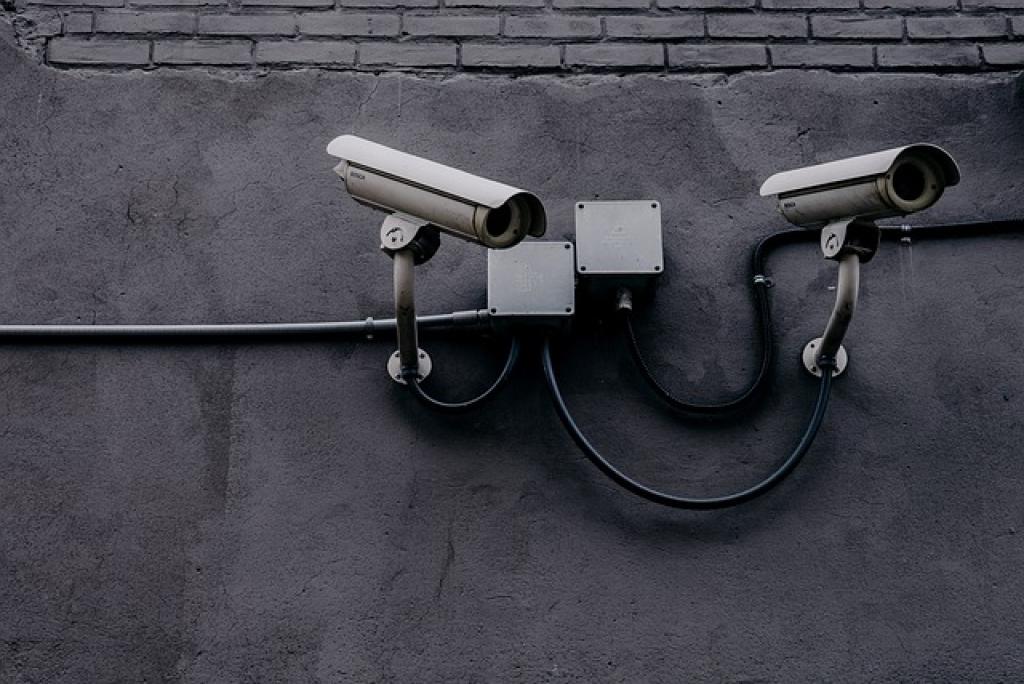
Interior coverage is the layer that most event organizers underestimate. Getting access control right at the door matters, but what happens inside the venue matters just as much. Guards positioned throughout the interior of an event space can monitor crowd behavior, identify developing situations before they escalate, assist guests who need help, and respond quickly when something happens in a part of the venue that is away from the main entry. For larger events, real-time surveillance monitoring solutions that use temporary camera systems placed at key interior locations give the security team visibility across the entire venue from a central point, allowing the lead to direct personnel to where they are needed in real time.
Communication between your security team and your event staff is a detail that has a big impact on how incidents get handled when they do occur. Your event coordinator, your venue contact, and your security lead should all know how to reach each other immediately. Your staff should know who the security team is and how to flag a concern without creating a scene. Your security lead should have a clear escalation path that goes from the floor guard to the lead to local emergency services without any confusion about who makes which call. Operational security management that includes a clear communication structure prevents the kind of coordination failures that turn a manageable situation into a serious one.
Here are practical guide-style tips for building an event security plan that holds up under real conditions:
- Walk the venue with your security lead before the event and map out every access point, every area of concern, and every route that emergency responders would need to use if called.
- Brief your entire event staff on the security plan, including who the security team is, what the communication protocol is, and what they should do if they witness an incident.
- Build the security coverage schedule around the full event timeline, from vendor load-in through guest departure and teardown, not just the hours when guests are present.
- Make sure your security team has a written copy of the event run-of-show so they know when key moments are happening and can position accordingly.
- If your event includes a VIP section, backstage area, or any restricted zone, assign specific personnel to manage those boundaries rather than relying on general floor coverage.
- Confirm that your security company carries appropriate licensing and insurance for the state of California before the event, not the day of.
Choosing the Right Type of Security Coverage for Your Event
One of the most practical decisions you will make during event security planning is what type of coverage your event actually needs. Armed and unarmed guard services both have a place in event security, but the right choice depends on the nature of your event, the risk profile you identified during your assessment, and the environment you are trying to create for your guests.

The majority of private events, corporate gatherings, fundraisers, and social functions are well-served by professional unarmed security officers. These are trained, licensed professionals who manage access control, monitor guest behavior, handle de-escalation, and coordinate with emergency services when needed, all without a firearm on their hip. For most event environments in San Francisco, unarmed coverage creates the right tone: professional, attentive, and capable without being intimidating. Unarmed security San Francisco is a broad and capable category, and the quality and experience of the officers matters more than whether they are armed.
Armed guards are appropriate when the risk profile of the event justifies a stronger deterrent. This might include events where a specific threat has been identified through a prior risk assessment, events involving the display or transport of high-value assets, or situations where executive protection and armed security has been requested for a specific individual attending the event. Armed security guards San Francisco are licensed, trained, and held to strict use-of-force standards, and their deployment at an event is always the result of a deliberate decision based on real risk factors rather than a default choice.
For larger events, security operations for large corporate events often involve a combination of both. Unarmed guards manage the guest experience at entry points and throughout the interior while armed professionals cover the perimeter, manage specific high-risk areas, or provide dedicated protection for VIP attendees. High-end event security management uses this layered approach to deliver coverage that is strong where it needs to be and appropriate in tone where guest experience is the priority.
Technology supports every type of event security coverage. Temporary camera systems placed at key locations around the venue extend the reach of the security team significantly. A security lead monitoring live feeds can spot a developing situation on the far side of a large venue and direct a guard to respond before it escalates, which would not be possible if coverage relied only on what personnel could see from their individual positions. Advanced surveillance and monitoring systems available for event deployments today are portable, high-quality, and easy to set up in almost any venue configuration.
Organizers across San Francisco work with professional security providers to make sure their events are genuinely safe and not just technically covered by a plan nobody has thought through carefully. Jeff Gutierrez Event Security Guard supports event organizers throughout the Bay Area with security planning, guard services, and on-the-ground coverage built around the specific demands of each event.
The organizers who get the best results are the ones who treat security as part of the event design process from the beginning, not something to figure out in the final week. When safety is built into the plan from the start, everything else runs better, and the people you invited have the experience you actually intended to give them. Jeff Gutierrez Event Security Guard brings that kind of intentional, experienced approach to every event it covers, from small private gatherings to large-scale public functions across the city.