Security Guards or Cameras: What’s Better for Security?
This question comes up constantly. A business owner is trying to figure out where to spend their security budget and someone tells them to just put up cameras. Another person says cameras are useless without a guard on site. Both sides sound reasonable. Both sides are also missing the full picture. The honest answer is that security guards and camera systems are not competing options. They solve different problems. And depending on what your business actually needs, the right answer could be one, the other, or a combination of both working together in a way that covers the gaps each one leaves on its own.
What makes this question worth taking seriously is that the wrong answer costs real money. A business that invests heavily in camera systems and skips on personnel leaves itself with great footage of an incident it could not prevent. A business that relies entirely on guards with no surveillance technology leaves itself with no documentation, no visibility into areas guards are not physically standing in, and no deterrence in unmanned spaces. Neither setup is as strong as it sounds on paper. Understanding what each one actually does and does not do is the starting point for making a smart security decision.
Let’s walk through both options honestly, look at where each one works well, where each one falls short, and what the evidence actually shows about which approach protects businesses most effectively in real-world conditions.
What Security Cameras Do Well and Where They Stop Working
Camera systems have become the default first move for a lot of businesses thinking about security. They are visible, relatively affordable compared to ongoing staffing costs, and they create a record of everything that happens on your property. Those are real advantages worth acknowledging. A well-placed camera covering a retail floor or a parking garage serves two useful purposes at once. It makes people who might consider doing something wrong think twice, and it gives you documented evidence if something happens anyway.
The deterrence effect of cameras is real but limited. Studies on retail theft consistently show that visible cameras reduce opportunistic theft from casual shoplifters. Someone who walks into a store without a specific plan to steal something and then considers it is more likely to walk away when they see cameras in place. That matters for retail security. But organized retail theft groups, people in the middle of a genuine crisis, or individuals who have already made up their mind to do something are far less deterred by the presence of a camera.
They know the footage exists. They do not care, or they wear a hood, or they move fast enough that the footage only shows what already happened rather than stopping it.
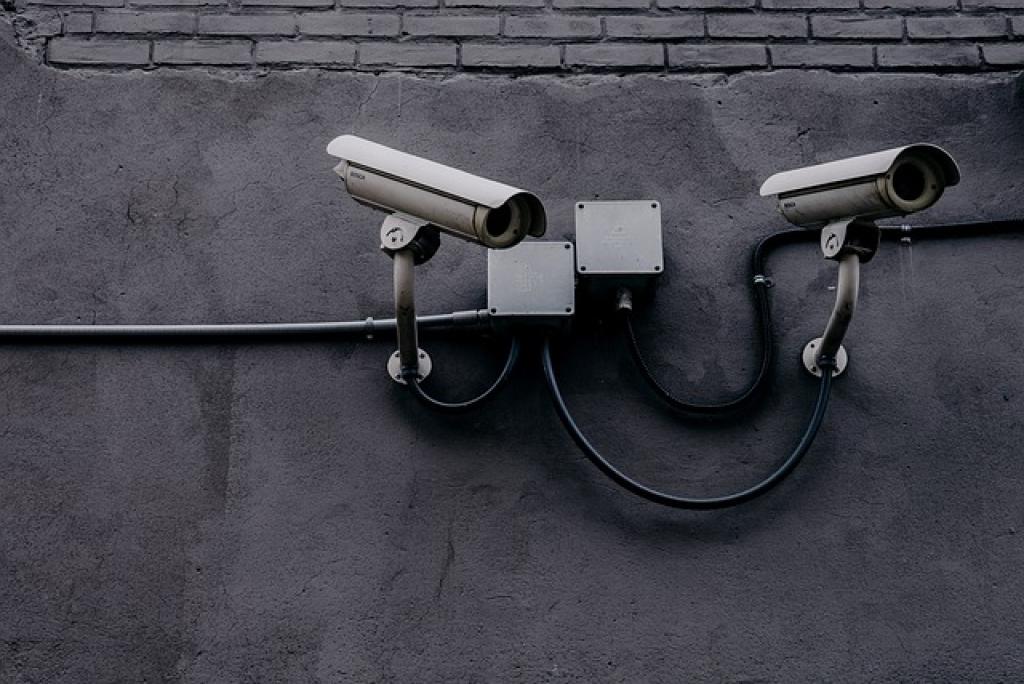
The bigger limitation of camera systems is that they are passive. A camera does not intervene. It does not call for help. It does not step between an aggressor and a staff member. It watches. Real-time surveillance monitoring solutions help address this limitation because they put a human being behind the screen watching live feeds and able to dispatch a response when something develops. But that monitoring function costs money too, and a camera system without active monitoring is essentially just a recording device that documents losses without preventing them.
Commercial surveillance system installation done by professionals does make a difference in what cameras can and cannot see. Amateur setups often have blind spots, poor low-light performance, and coverage gaps that anyone who has watched the area for a few minutes can identify and exploit. Professional surveillance camera installation maps every critical area, overlaps angles to eliminate gaps, and configures cameras for the lighting conditions they will actually operate in. That quality matters enormously when footage becomes evidence in an insurance claim or a criminal case.
Where cameras genuinely shine:
- Documenting incidents with timestamped footage that supports insurance claims, legal proceedings, and internal investigations
- Providing remote visibility into areas that cannot be staffed around the clock due to cost or layout
- Deterring casual, opportunistic theft in retail environments where visibility alone changes behavior
- Supporting active monitoring teams that can watch multiple locations simultaneously from a central point
- Covering parking structures, loading areas, and exterior perimeters where permanent guard posts are impractical
Where cameras fall short:
- They cannot physically stop an incident in progress or protect a person being threatened
- Without active monitoring, they only tell you what happened after it is already over
- They do not adapt to changing conditions the way a trained person does
- They can be avoided, covered, or disabled by someone who knows what they are doing
- They create no human connection with visitors, guests, or staff that affects behavior in real time
What Security Guards Do That No Camera Ever Will
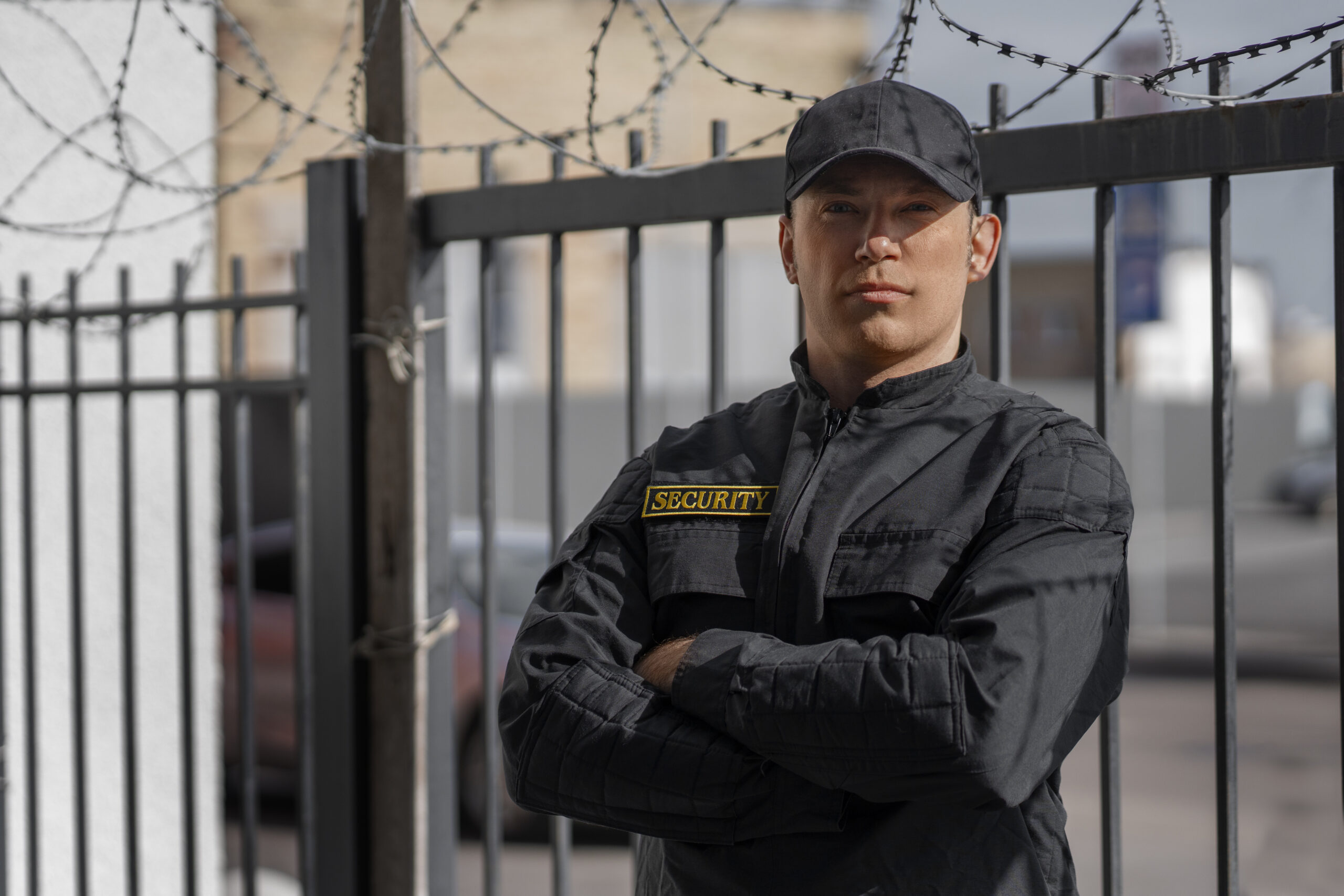
A security guard is not just a warm body standing near a door. A trained guard is an active, adaptive presence that does something cameras fundamentally cannot do. Guards make decisions. They read a room, assess a person, respond to what they see, and take action before a situation reaches the point where an alarm or a camera alert would even trigger. That judgment and physical presence is what makes human security personnel irreplaceable for situations where prevention matters more than documentation.
The deterrence effect of a visible guard is categorically different from the deterrence effect of a camera. A camera signals that you might be recorded. A guard signals that someone is paying attention right now and can respond immediately. For most people with any hesitation about doing something they should not do, that distinction matters a lot.
Professional unarmed security officers standing in a lobby, walking a retail floor, or positioned at an event entrance change the way people behave in that space. Not through intimidation but through presence. Most security incidents are avoided before they start because someone made a decision not to act when they saw a guard nearby.
Guards also handle things that cameras never will. A guest who is confused and wandering into a restricted area needs someone to redirect them calmly. A conflict between two customers that is starting to escalate needs someone to step in and de-escalate before it turns physical. A medical situation that develops in a crowd needs someone to call for help, clear space, and manage bystanders until medical personnel arrive. None of those situations are resolved by footage. They are resolved by a person who knows what to do and acts quickly.
For businesses with higher risk profiles, the difference between armed and unarmed guards becomes relevant. Unarmed guard services for offices and retail cover the vast majority of commercial security needs. Most situations that come up in a typical business day, from unauthorized visitors to minor disputes to theft attempts, are handled effectively by professional unarmed security officers without any need for force.
But for businesses in high-risk locations, those storing high-value assets, those that have experienced serious incidents before, or those hosting events where threat levels are elevated, armed security guard services for high-risk locations provide a response capability that goes further when a situation genuinely calls for it.
Event security is an area where guards do something cameras absolutely cannot replicate. Security guard services for festivals and events involve active crowd management, access control, physical screening of guests, and real-time response to developing situations in dense, dynamic environments. No camera system manages crowd flow at a busy entrance gate. No surveillance monitor pulls an aggressive individual out of a crowd before a fight starts. Event safety and crowd control services require people on the ground making real-time decisions based on what they see and hear around them. That is human work.
What guards bring that cameras never can:
- Physical presence that changes how people behave in a space before any incident begins
- Active judgment that adapts to changing conditions in real time rather than following a fixed program
- Immediate intervention capability when a situation requires a physical response
- Human communication with guests, staff, and visitors that de-escalates tension before it becomes a problem
- Flexibility to cover different areas, respond to different situations, and adjust based on what is actually happening
Why the Real Answer Is Almost Always Both
Framing this as a choice between guards and cameras is a false option for most businesses. The question is not which one is better in some abstract sense. The question is what your specific property needs, what threats you are most likely to face, and how guards and camera systems can work together to cover each other’s weaknesses.
Think about what each one covers for the other. A guard on duty cannot be everywhere at once. Camera systems extend the guard’s visibility to every corner of the property simultaneously. A camera system that sees something developing can alert the guard before they would have noticed on their own. That gives the guard a head start on response. A camera alone that captures footage of an incident has no way to respond. A guard who is alerted by a live monitoring operator through real-time surveillance monitoring solutions is already moving toward the situation while it is still developing rather than after it has concluded.
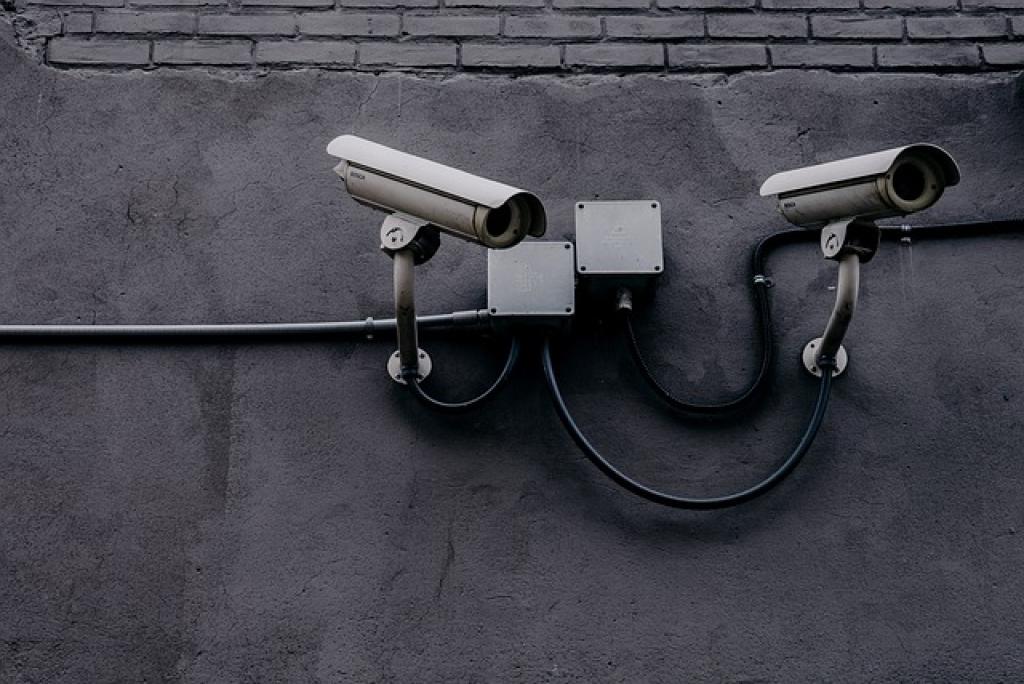
Alarm systems add a third layer to this combination. Business alarm system installation that ties into both the camera system and the guard communication network means that when a physical barrier is breached, the camera covers that location automatically and the guard receives an alert simultaneously. Alarm and camera system installation for businesses works best when it is designed as a unified system from the start rather than separate tools installed at different times that have to be made to work together after the fact.
For retail environments, the combination is especially powerful. Retail store security guards on the floor handle customer interaction, visible deterrence, and floor-level response. Camera systems cover the full floor from above and provide documentation that protects the business legally. Retail loss prevention security built around both tools catches more theft, handles it more safely, and creates better records than either approach on its own. Top retail theft prevention security companies build their entire service model around this integration because the data shows it works better than choosing one over the other.
For events, the combination is not optional. High-end event security management at a large venue in San Francisco requires camera systems covering every entrance and common area feeding into a command point, guards stationed at every access point and moving through the crowd, and communication between the monitoring team and ground personnel that allows real-time redirection when conditions change. Security operations for large corporate events or festival environments that rely only on cameras have no response capability. Those that rely only on guards have blind spots everywhere personnel are not physically standing. Together they cover the whole picture.
For corporate and executive environments, the combination supports private security services for VIP and executives in a way neither tool manages alone. Executive protection and armed security personnel provide the physical response capability. Advanced surveillance and monitoring systems provide the situational awareness that lets those personnel stay ahead of potential threats rather than reacting to them after they develop. Risk mitigation and threat assessment services that evaluate what protection a specific person or location needs will almost always recommend both layers working in coordination.

Guide tips for deciding how to balance guards and cameras for your specific situation:
- Start with a physical security planning and audit that maps every area of your property and identifies where the highest risks are concentrated
- Use camera systems to cover areas that cannot be staffed permanently due to cost or physical layout, like parking structures, exterior perimeters, and storage areas
- Place guards where human judgment, physical presence, and real-time interaction matter most, like entrances, retail floors, and event access points
- Connect your camera system to active monitoring so footage becomes a real-time response tool rather than just a recording
- Run a risk assessment and operational security planning session before making final decisions so your investment is matched to your actual threat profile rather than a generic template
Jeff Gutierrez Event Security Guard has worked with businesses, event organizers, and property managers across San Francisco and the Bay Area long enough to see how this plays out in practice. The businesses that feel genuinely protected are not the ones that spent the most on cameras or the ones with the most guards on payroll. They are the ones that built a system where both tools reinforce each other and where the people operating that system understand how to use it. That combination is what business security solutions actually look like when they work.
The next time someone tells you to just get cameras or just hire a guard, ask them what happens when the camera sees something and there is nobody there to respond. Ask them what the guard does in the part of the building they are not standing in. The answer to both questions is the same. You need both, matched to your actual situation, working together as one system. That is not a sales pitch. It is just how security works when it works well.