The Essentials of Safer Event Security
Here is something most event planners learn the hard way. You can spend months organizing a spectacular event, get every logistical detail right, and still have the whole thing fall apart in twenty minutes because the security plan was not built to handle what actually showed up on the day. Not because the guards were bad people. Not because the venue was wrong. But because nobody sat down before the event and thought seriously about what could go wrong and what the plan would be when it did.
Safer events do not happen by accident. They happen because someone made deliberate decisions about crowd behavior, staffing ratios, communication channels, emergency access, and a hundred other variables that never show up in the event program but quietly determine whether the night ends well or badly. Event security is not window dressing. It is the structural framework that holds the entire event experience together, and when it is weak, everything built on top of it is fragile.
This guide is for event organizers, venue managers, and anyone responsible for putting people together in one place and making sure they all go home safely. It covers what actually matters in event security, not the surface-level stuff but the decisions and details that separate a well-run event from one that ends with an incident nobody saw coming.
Why Most Event Security Plans Miss the Point
Ask ten event organizers what their security plan looks like and most of them will describe the same thing. A few guards at the entrance, maybe a camera or two, a number to call if something goes wrong. That is not a plan. That is a hope dressed up to look like a plan. The difference matters enormously when something actually develops during an event because a hope gives you nothing to work with in real time.
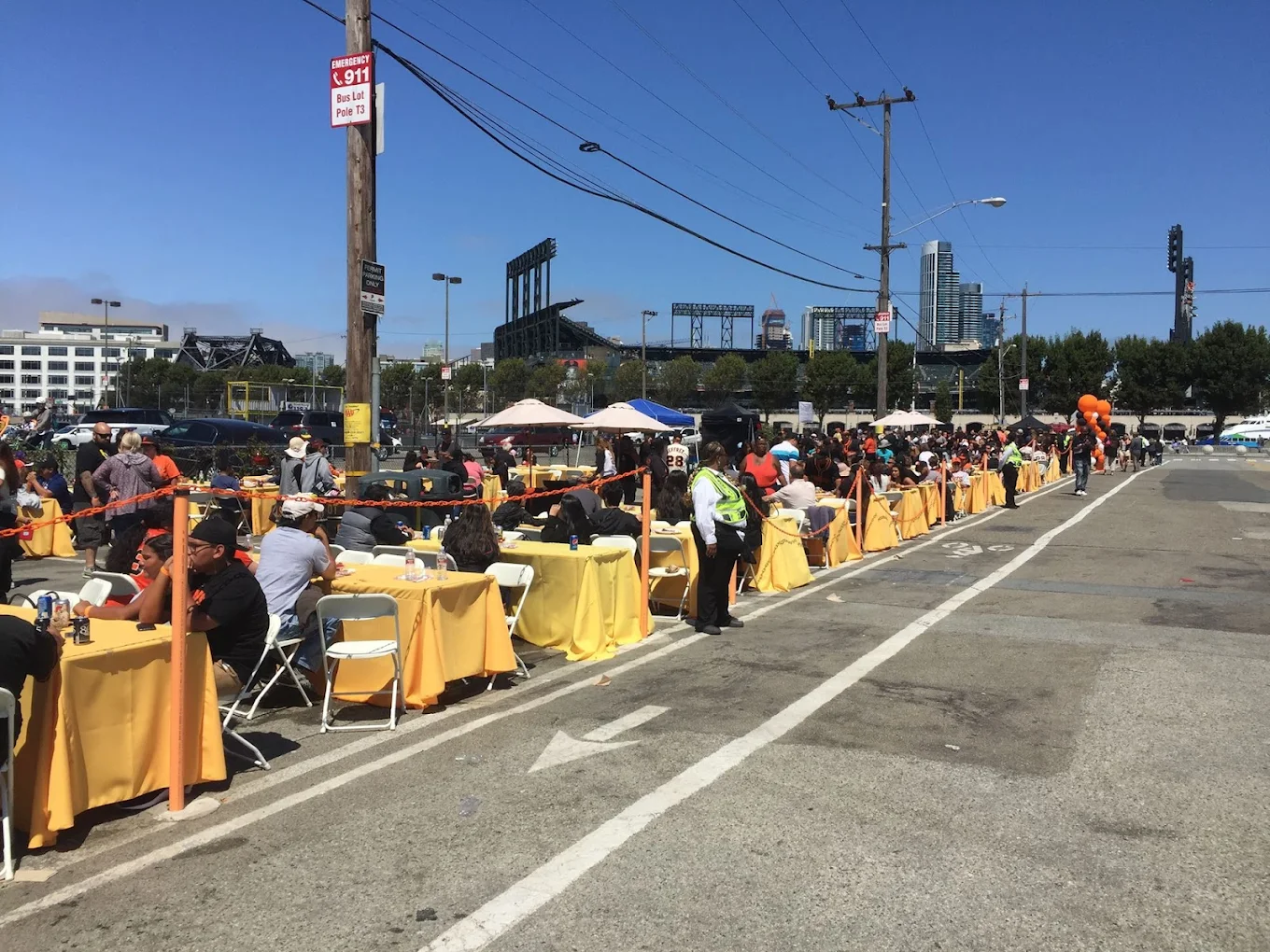
Real event security planning starts with the specific nature of the event itself. A corporate awards dinner has completely different risk characteristics than a public music festival. A charity gala with two hundred invited guests in a ballroom needs a different approach than an outdoor street fair with open attendance and multiple entry points. The mistake most people make is applying a generic template to every situation without accounting for what makes their specific event different. Crowd size matters. Alcohol presence matters. The profile of the attendees matters. The physical layout of the venue matters. All of those variables shape what security actually needs to look like to be effective.
One of the things the best event security companies in San Francisco do differently is spend significant time on the pre-event assessment before a single guard is scheduled or a single camera is positioned. That assessment looks at the event type, the venue layout, the expected attendance pattern, the presence of high-value items or high-profile individuals, and the history of the venue or event if it has run before. From that assessment comes a security plan that is specific to that event rather than copied from a generic checklist.
The other thing most event security plans miss is the difference between presence and capability. Having guards at the door creates presence. But what is the guard’s authority? What is their protocol if someone refuses to leave? Who do they radio? What happens if two situations develop simultaneously at opposite ends of the venue? Capability means the security team has answers to those questions before they are standing in the middle of an incident trying to figure it out live. Presence without capability is theater. It looks like security without functioning as security.
Common gaps in typical event security plans:
- No defined communication chain between ground-level guards and whoever is making decisions for the event
- Guards stationed only at the main entrance with no coverage inside the venue or at secondary exit points
- No protocol for what happens when a guest becomes aggressive or refuses to comply with staff requests
- No coordination between the security team and venue staff, meaning both groups operate without knowing what the other is doing
- No emergency access plan that keeps medical or law enforcement response routes clear from crowd congestion
The People Side of Event Security and Why It Defines Everything
Technology at an event is useful. Cameras help. Alarm systems add a layer of coverage. But none of it defines the quality of event security the way people do. The guards on the floor, the team leader coordinating from the command point, the staff member who knows to alert security when they see something developing. Those human decisions and human responses are what actually determine how safe an event is. Every piece of technology exists to support people, not replace them.
Staffing decisions are where this starts. How many guards does an event actually need? The answer is more specific than most people think. A general rule in the industry is roughly one guard per one hundred to one hundred and fifty attendees for a standard indoor event. But that ratio changes depending on the event type, the alcohol presence, the layout, and the expected crowd behavior. An event with open bars and a younger demographic needs a higher ratio than a seated corporate dinner with the same headcount. An outdoor event with multiple stages and large open spaces needs guards positioned differently than a single-room venue.
The mix of armed and unarmed personnel is another decision that gets made by default rather than by design in most events. Professional unarmed security officers are the right choice for the vast majority of event environments. They manage access, handle crowd flow, de-escalate disagreements, and respond to the everyday situations that come up when large groups of people gather. Unarmed security San Francisco event teams are trained to handle most situations calmly without escalating the atmosphere for everyone else.
There are events and situations where armed guards become part of the plan. High-profile individuals attending an event, large amounts of cash on site, or a history of serious incidents at similar events are all factors that shift the calculation. Armed security guards San Francisco teams bring a level of response capability that changes the dynamic for genuinely elevated risk situations. But the decision to use them should follow a deliberate assessment of the event’s specific risk profile, not a blanket assumption that more firepower automatically means more safety. In most public event environments, armed guards without a clear tactical reason for being there can actually increase anxiety rather than reduce it.
Private security services for VIP and executives at events require a different kind of staffing approach altogether. Executive protection and armed security for high-profile attendees involves close personal coverage, advance work at the venue, coordination with venue security, and discreet positioning that protects the individual without drawing unnecessary attention. This kind of coverage does not replace general event security. It operates alongside it as a separate layer focused on specific individuals rather than the crowd overall.
What good event security staffing actually looks like:
- Enough guards to cover every entry and exit point simultaneously with staff to spare for interior response
- A designated team lead with authority to make real-time decisions and direct guards without needing to escalate every call
- Clear position assignments given to every guard before the event opens so nobody is figuring out where to stand after guests arrive
- A communication system every guard is tested on before the event starts, not handed to them at the door
- A reserve capacity of at least one or two guards not assigned to fixed posts who can respond wherever a situation develops
Crowd Behavior, Flow, and What Guards Are Actually Managing
Most people think of event security as a response function. Something happens and the guards handle it. That framing misses what experienced event security teams spend most of their time doing, which is managing crowd dynamics before they become incidents. Understanding how crowds move, where pressure builds, when mood shifts, and what environmental factors change behavior is a significant part of what separates a skilled event security team from a group of people in uniforms standing near walls.
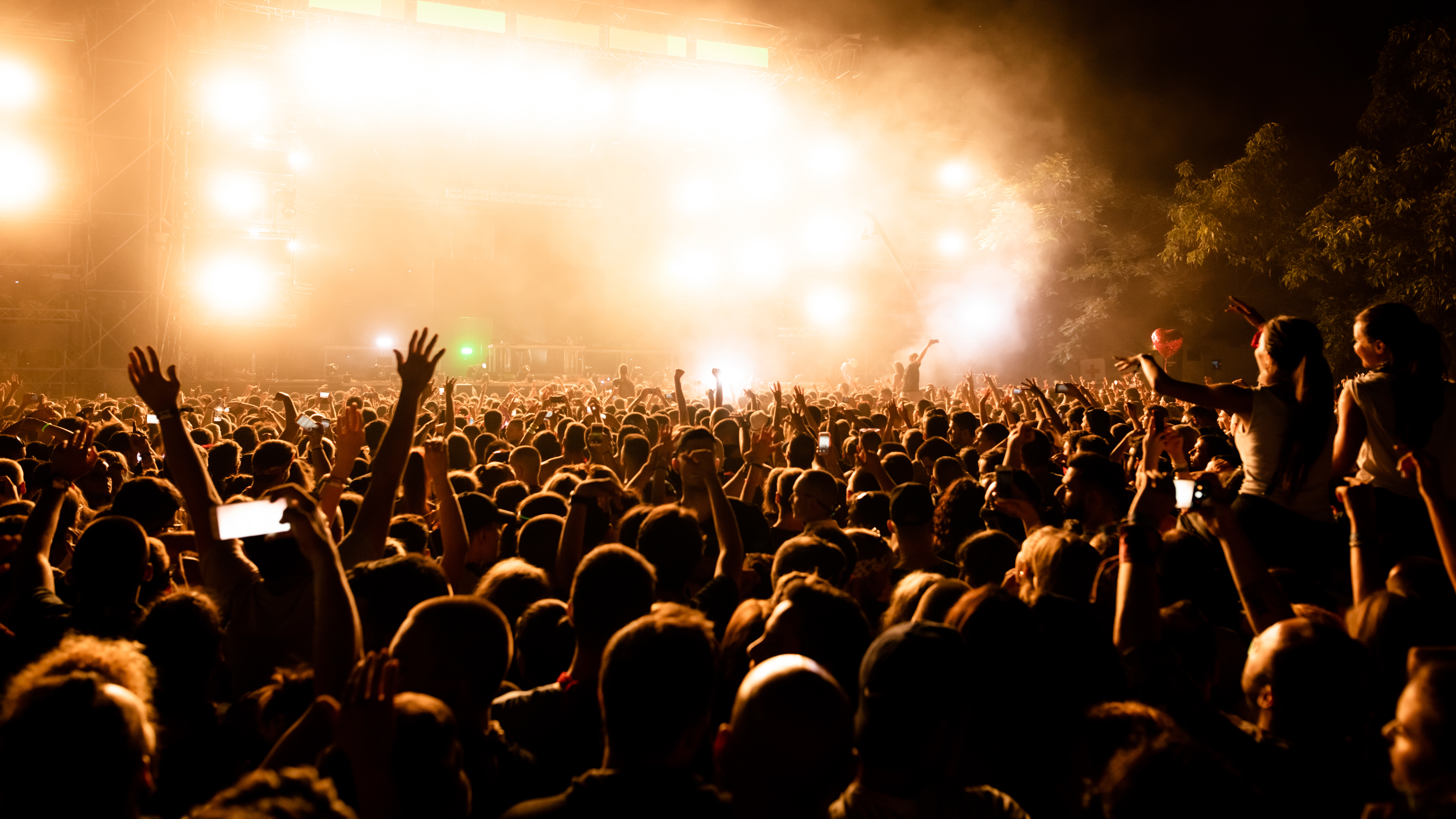
Crowd behavior at events follows predictable patterns that a trained team can recognize and respond to before they create problems. Entry surges happen when large numbers of people arrive at the same time, usually right before a keynote speaker or headline performer. Exit surges happen at the end of a set or when an event ends all at once. Alcohol consumption changes crowd behavior in ways that gradually escalate over the course of an evening. Heat, tight spaces, long wait times, and unexpected schedule changes all affect how a crowd behaves. A security team that understands these patterns can position themselves and adjust their approach as conditions evolve rather than waiting to react.
Event safety and crowd control services at a well-run event are almost invisible to attendees. People move smoothly because the flow has been planned. Lines do not build into pressure points because guards are managing pace at the entry. Tension between individuals is addressed quietly before it becomes something the whole room notices. That invisibility is actually the goal. When event security is working well, most attendees spend the whole night unaware that anything was being actively managed on their behalf.

Venue layout plays directly into crowd management. Security operations for large corporate events or festival-style gatherings require a detailed map of where crowds will naturally concentrate, where bottlenecks are likely to form, and where emergency access needs to stay clear no matter what else is happening. Jeff Gutierrez Event Security Guard approaches venue walkthroughs as a critical part of event preparation, mapping out guard positions relative to crowd flow patterns rather than just placing people at obvious spots and hoping it covers everything.
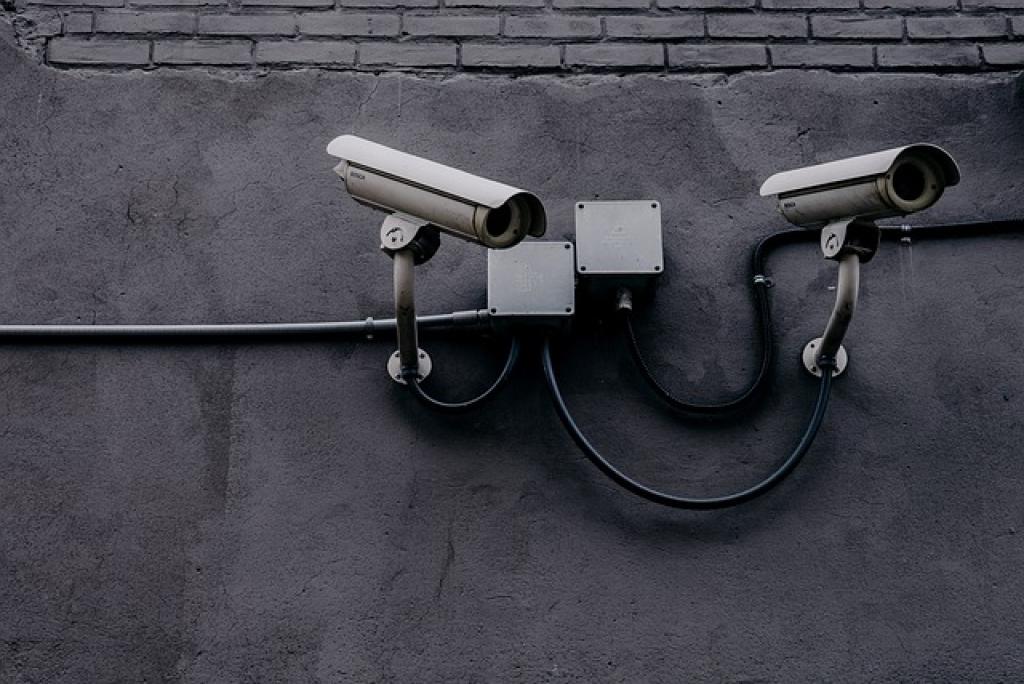
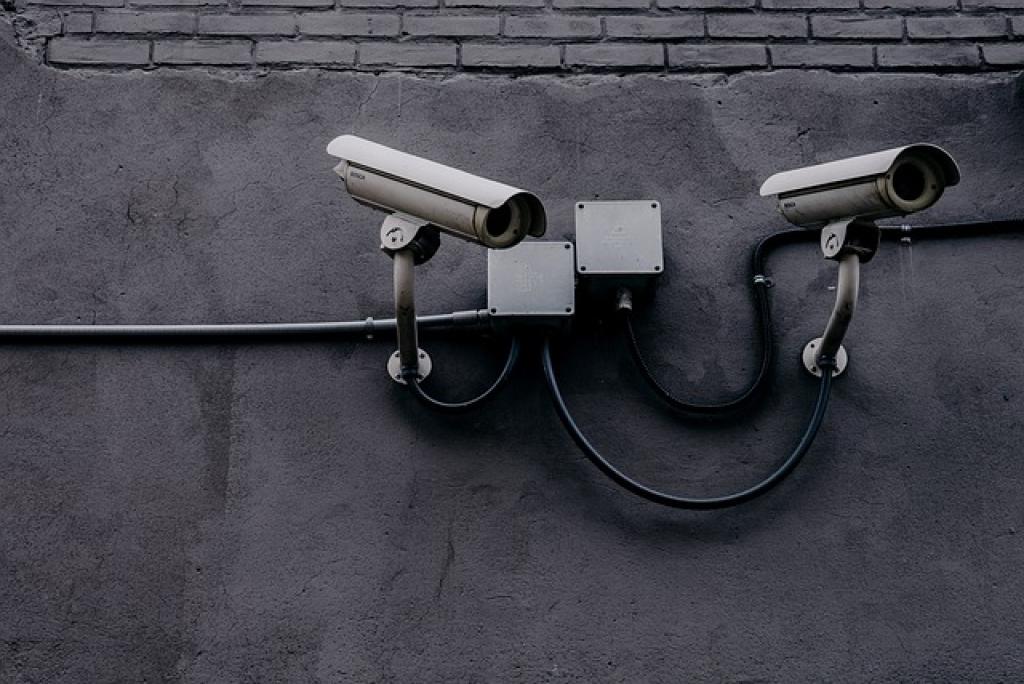
Surveillance systems add a layer of crowd oversight that no individual guard can provide on their own. Real-time surveillance monitoring solutions positioned to cover the full floor of a venue or the full perimeter of an outdoor event give the security command team a view of developing crowd situations before ground-level guards can see them. When a crowd starts compressing at one exit while another exit is empty, the monitoring team can direct guards to redistribute flow before the compression becomes dangerous. That coordination between live surveillance and ground-level personnel is what high-end event security management actually looks like in practice.
Guide tips for managing crowd behavior at events:
- Walk the venue at the same time of day as the event will run to assess lighting, visibility, and natural crowd flow patterns
- Identify the three or four places where crowds are most likely to concentrate and make sure those spots have both camera coverage and a guard positioned nearby
- Plan your entry process to spread arrival times if possible rather than opening all gates simultaneously to reduce surge pressure
- Station guards at exit points before the event ends, not after people start moving, because the exit rush is often the most dangerous crowd moment of the night
- Brief every guard on the venue layout and the planned crowd flow before the event opens so they understand why they are positioned where they are
Emergency Readiness and Why It Has to Be Built In From the Start
Every event, regardless of size or formality, needs an emergency plan. Not a vague understanding that you would call 911 if something happened, but an actual plan that covers what types of emergencies are most likely, what the immediate response looks like for each one, who has authority to make which decisions, and how the security team communicates during an emergency when normal operations have been disrupted.
Medical emergencies are the most common serious incidents at events. Someone has a cardiac event. Someone faints in the heat. Someone has a severe allergic reaction. The security team’s role in a medical emergency is not to provide medical care but to clear space around the person, keep bystanders back, guide medical personnel to the location quickly, and manage the crowd around the incident so it does not grow into a secondary problem. Every guard at an event should know where the nearest AED is located, what the protocol is for a medical call, and how to communicate the location clearly to emergency responders who are entering a venue they may not know.
Emergency security guard dispatch capability is something event organizers should confirm with their security provider before the event, not after something happens. If an incident develops that exceeds the capacity of the on-site team, how quickly can additional personnel be deployed? What is the protocol for escalating to law enforcement? Who makes that call and at what point? These are not questions to answer in the middle of an incident. They belong in the pre-event plan.
Risk mitigation and threat assessment services conducted before an event can identify specific emergency scenarios that are most relevant to that particular event and venue. A security team that has thought through medical scenarios, crowd surge scenarios, fire evacuation scenarios, and potential threat scenarios before the event starts is in a completely different position than one improvising responses on the night.
Physical security planning and audits of the venue should include emergency exit mapping as a standard step. Every emergency exit needs to be known to every guard. Every guard needs to know the fastest route from their post to the nearest emergency exit. And every emergency exit needs to be clear of obstruction throughout the event, which means periodic checks rather than a single walkthrough before doors open. Security compliance logs and reporting services that document these checks create a record that protects the event organizer legally and confirms that the safety standards were actively maintained.
Jeff Gutierrez Event Security Guard builds emergency readiness into every event security plan as a non-negotiable component rather than an add-on that gets discussed if there is time. The events that go wrong fastest are almost always the ones where emergency planning was treated as something to figure out if needed rather than something to have ready before the first guest walks in.

Safer events come down to the same principle every time. Decisions made before the event determines what is possible during it. The guard positions, the communication systems, the crowd flow plan, the emergency protocols, the staffing ratios, all of it shapes what the security team can actually do when something happens. A team that has been given a real plan, clear authority, good communication, and the right number of people to cover the venue can handle almost anything an event throws at them.
A team standing at a door with no plan and no protocol can handle very little, regardless of how experienced the individuals are. Build the plan. Train the team on it. Walk the venue. Run through the scenarios. That is what safer event security actually requires, and it is worth every bit of the preparation it takes.