
How to Respond to Repeat Trespassing
The first time someone walks onto your property without permission, it feels like a one-time problem. You ask them to leave, they leave, and you move on. Then they come back. Maybe the next night, maybe the next week. Now it feels personal. You start wondering why this keeps happening, why nothing seems to stop it, and what you are allowed to do about it.
Repeat trespassing is one of the most frustrating problems a property owner can face. It wears down staff, scares tenants, and can lead to theft, damage, or injury. It also carries legal risk, because the way you respond matters. Respond too weakly and the problem grows. Respond too harshly and you could end up in trouble yourself. This blog lays out a calm, step-by-step approach that works for shops, offices, lots, warehouses, and large commercial sites. It follows the same order a trained security team would use: understand the problem, build a paper trail, make the property harder to enter, and bring in the right help.
Understand Who Is Coming Back and Why
Not every repeat trespasser is the same, and the right response depends on who you are dealing with. Treating a lost teenager the same way as a thief casing your loading dock will not work. Start by asking a few plain questions. Who is it? When do they come? What do they do while they are there? What do they seem to want?
Some trespassers are looking for shelter. A quiet alcove, a covered doorway, or a corner of a parking garage can look like a safe place to sleep. These cases call for care and the right local resources, along with a firm boundary. Others cut through your property as a shortcut, and they come back because nothing ever stopped them. Some are teens hanging out after hours, drawn to a place that feels hidden. Others are scrapping for metal, stealing tools, or testing locks. A few are former employees, tenants, or customers who were banned and want to return.
Watching the pattern tells you a lot. If the same person arrives at the same time every night, they have likely noticed a gap in your routine. If different people keep using the same entry point, the problem is probably the property itself, such as a broken fence section or an unlit corner. If trespassing spikes after a specific event, such as a store closing or a nearby construction project, the cause may be outside your control but still within your power to manage.
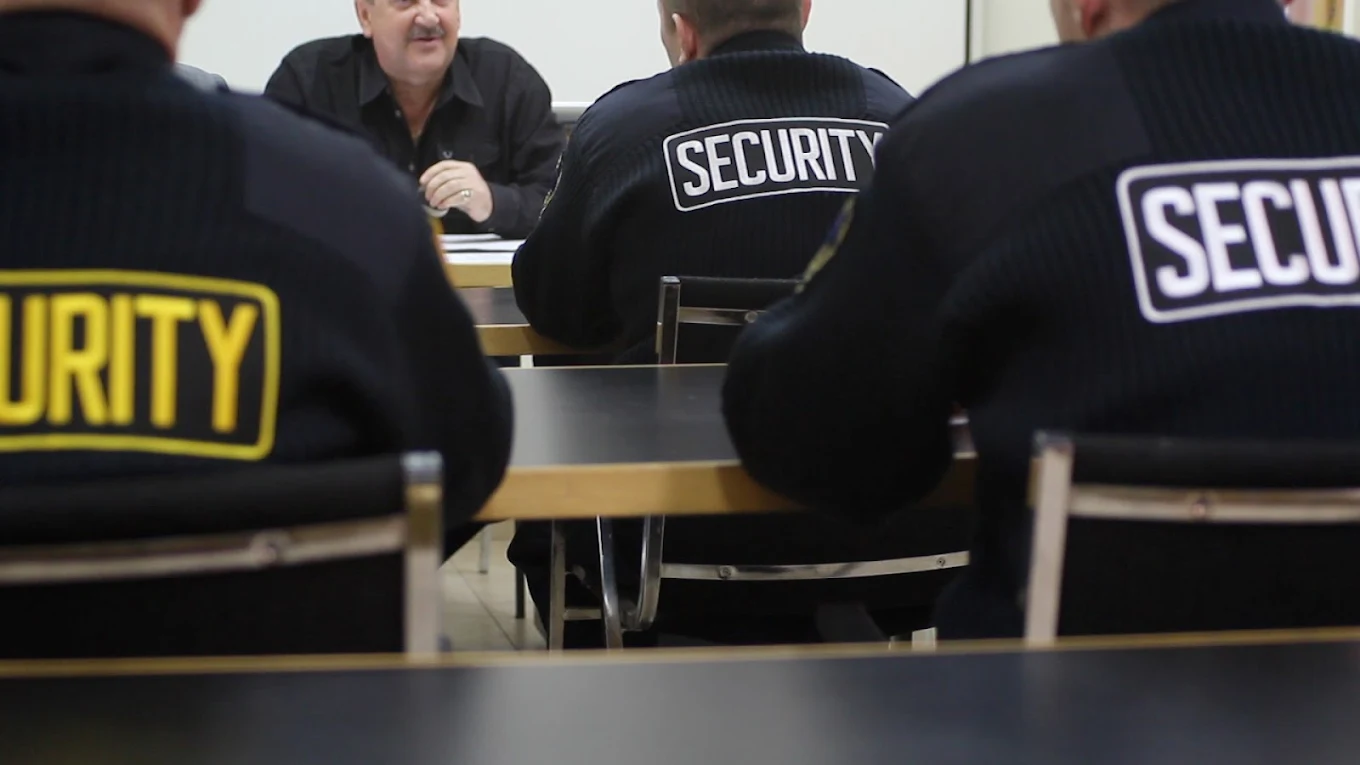
This is where a risk assessment and operational security planning review pays off. A security professional walks the property, studies past incidents, and sorts threats by how likely and how harmful they are. Risk mitigation and threat assessment services can also flag higher-risk cases, such as a person with a history of violence or a former worker with a grudge. That information changes how carefully you approach them and who should be sent to speak with them.
Safety comes first in every case. Do not confront a repeat trespasser alone, especially at night. Do not chase them. Do not block their exit, grab them, or touch their belongings. If you feel threatened, step back and call for help. A property is never worth an injury.
Questions that help you read the pattern:
- What days and hours do the visits happen, and has that changed over time?
- Do they use the same entry point, or do they try different ones?
- Do they leave anything behind, take anything, or damage anything?
- Have they ever been spoken to or warned before, and how did they react?
- Do they come alone or in groups, and do they seem impaired or aggressive?
Build a Paper Trail and Give Clear Notice
Here is the part many property owners skip, and it is the part that matters most. A repeat trespassing case is only as strong as its records. Police and courts want dates, times, descriptions, photos, and proof that the person knew they were not allowed there. Without that, a report may go nowhere, no matter how annoying the problem has been.

Start a simple incident log today. Each time someone enters without permission, write down the date, time, location, a description of the person, what they did, and who saw it. Add photos or video when you can safely do so. Keep every report in one place. Security compliance logs and reporting services do this work for owners who do not have time, and they produce clear, dated records that hold up when an insurer, a landlord, or a police officer asks for details.
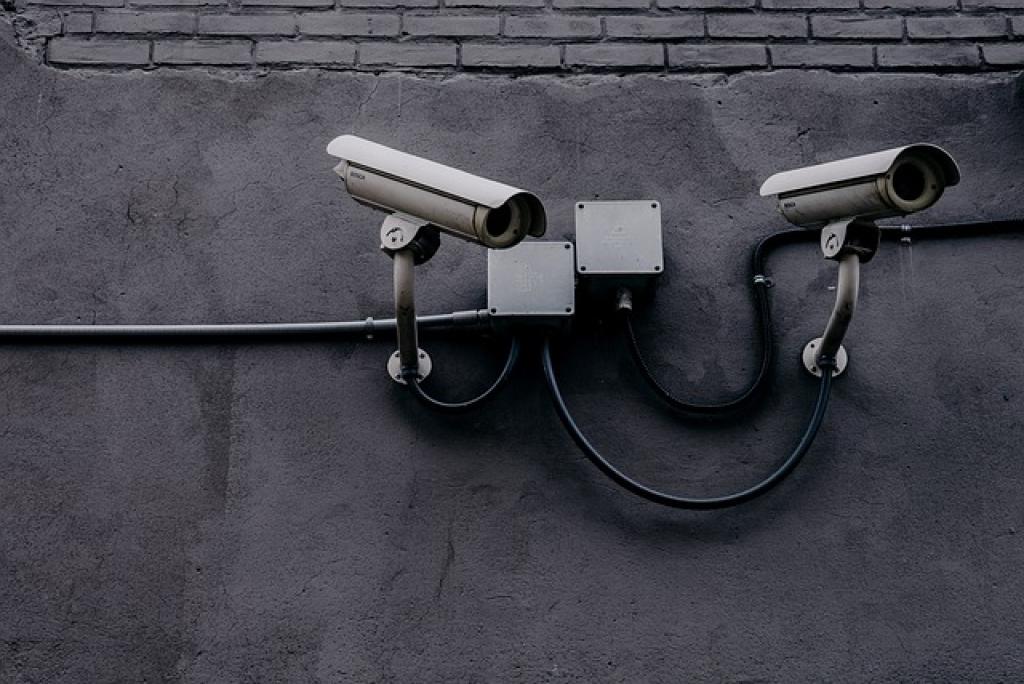
Camera systemsand surveillance systems turn those logs into proof. A clear image of a face, a license plate, or a repeated pattern is far more useful than a verbal description. Commercial surveillance system installation done by trained crews places cameras at entry points, lots, docks, and fence lines so footage is usable rather than blurry or off to the side. Professional surveillance camera installation includes night vision and proper storage, since most trespassing happens after dark.
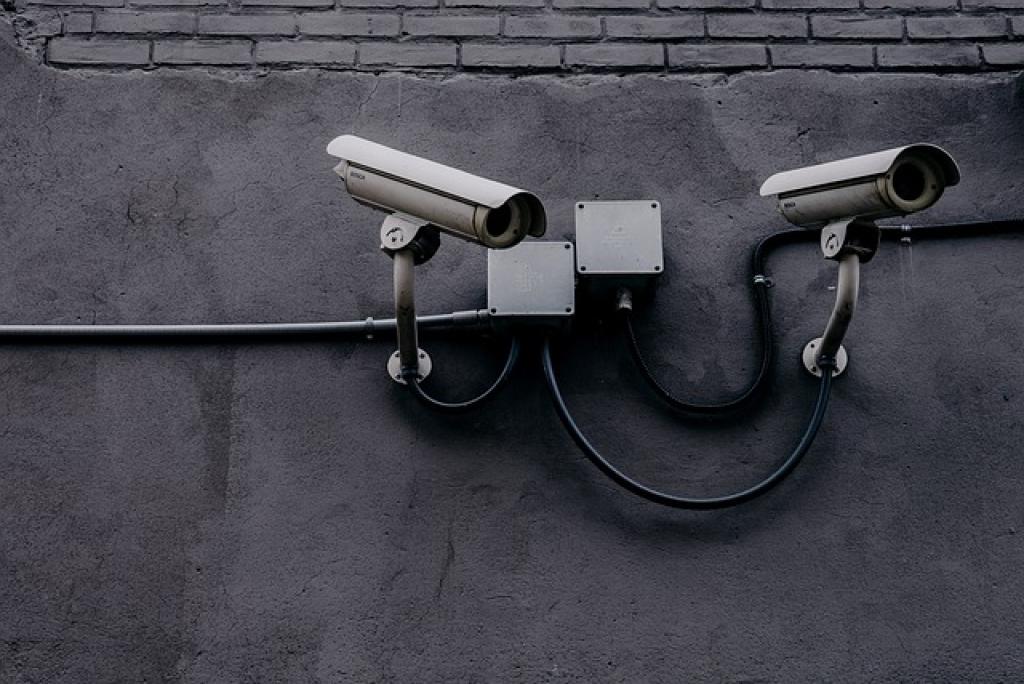
Local surveillance system installers San Francisco owners rely on understand the city’s lighting, weather, and building layouts, which helps with equipment choices. For sites that need constant eyes, real-time surveillance monitoring solutions let a trained operator watch live video and send a response while the person is still on the property rather than hours later.
Next, give notice. In most places, a person is not guilty of trespass in the legal sense until they have been told to stay away or the property is clearly marked. That means two things for you: clear signs and clear warnings. Post “No Trespassing” or “Private Property” signs at every entry point and along fences, with wording that is easy to read. Then, when a person is found on site, have a trained guard or manager give a calm, direct warning.
The person should hear that they are not allowed on the property and that they will be reported if they return. Write down the exact time and words used. Some owners also send a written notice when the person’s identity is known.
A formal notice or trespass admonishment, delivered with a witness or recorded in a log, can make a later police response much stronger. Local rules and processes differ, so it is wise to check with the San Francisco Police Department or a local attorney about the exact steps for your property. Some cities and counties have programs that let owners authorize police to act on their behalf when they are not on site. Asking about that can save you time and let officers respond faster.
Guide tips for building a strong record:
- Keep a single log with the same fields every time so patterns are easy to spot
- Save camera footage right away, because many systems overwrite old video after a set number of days
- Take wide photos and close-up photos of damage, entry points, and any items left behind
- Ask nearby businesses to share footage or reports if the same person visits them
- Write notes the same night, while the details are fresh, and sign and date each entry
- Share the log with your security team so every shift knows who to watch for
Make the Property Harder to Enter and Get the Right Help
Documentation and notice are the legal side. The other half is physical. A property that is easy to enter will be entered again and again. Your goal is to make trespassing slow, risky, and unattractive, so repeat visitors move on to somewhere easier.
Start with the basics. Fix broken fences, gaps in walls, loose gates, and weak locks. Trim bushes that hide entry points. Add bright, motion-activated lighting to dark corners, since most trespassers prefer shadows. Secure dumpsters, ladders, and loose tools that help someone climb or carry things away. These changes are low in cost but high in impact. Physical security measures work best when they remove the easy options.
A walk-through using physical security planning and audits can reveal weak spots that owners walk past every day without noticing. Customized physical security planning for businesses takes the layout, hours, and tenants into account, so the fixes match the real property instead of a generic checklist.
Alarm systems add another layer. Sensors on doors, windows, and gates can alert you the moment someone crosses a line. Business alarm system installation should include clear zones, so the alert says exactly where the breach happened. Alarm and camera system installation for businesses works best when the two are linked, so an alarm pulls up the nearest camera right away. A visible alarm company sign and a posted camera notice also help, because many trespassers read those signs and decide to skip the site.
People are the strongest deterrent. A guard walking the property in a marked uniform tells everyone that someone is paying attention. Onsite security guard services provide patrols, entry checks, and first response to problems. For most commercial properties, professional unarmed security officers are the right fit. They observe, speak calmly, give warnings, and report what they see without escalating.
Unarmed security San Francisco owners hire is trained to avoid force and to document each contact. Unarmed guard services for offices and retail also work well in lobbies, parking areas, and shopping centers where a friendly but firm presence matters.
Some properties face higher risk. Think of sites with expensive inventory, a history of violence, or repeated break-ins tied to a particular person or group. In those cases, armed security guard services for high-risk locations may be worth considering after a proper risk review. If you plan to hire armed security guards, ask about licensing, training, and rules for using force.
Armed security guards San Francisco property managers hire should be calm, clear, and focused on prevention. Many sites combine armed and unarmed guard services so each guard fits the task. Executive protection and armed security specialists can also be brought in when a trespasser has made threats against a specific person.
Timing matters because trespassers often come when the property is empty. Nights, weekends, and holidays are common windows. 24-hour security services San Francisco businesses use can close those windows with patrols and monitoring that never stop. Emergency security guard dispatch is a good option for sites that cannot keep a guard on site every night. When an alarm or camera confirms someone is inside, a guard is sent right away to check the scene, give a warning, and call police if needed.
Different property types need different approaches. Professional onsite security for construction sites often means overnight patrols, fence checks, and equipment counts, since tools and materials are tempting and the layout changes weekly. Retail environments rely on retail store security guards who watch entrances, back doors, and parking areas. Retail loss prevention security focuses on dumpsters, loading areas, and stockrooms where people sneak in.
Top retail theft prevention security companies also teach staff how to spot returning trespassers and banned individuals without causing a scene. Retail security guards San Francisco shops hire should know how to work with managers and police on repeat cases. Offices and business parks benefit from commercial security guard services at front desks and gates, which control who gets inside and who is turned away.
Trespassing is not limited to everyday business. Event grounds and venues face it too, especially when a party, concert, or festival draws people who were not invited. Event security San Francisco venues book often includes fencing, credential checks, and perimeter patrols to keep gate crashers out. Event safety and crowd control services keep entrances clear and orderly.
Security operations for large corporate events, security guard services for festivals and events, and high-end event security management all rely on the same ideas used for repeat trespassing: clear boundaries, trained people, and fast response.
When people search for event security services near me, it helps to pick a team that also handles daily property protection. Many of the best event security companies in San Francisco do both. Private security services for VIP and executives may also be needed when a trespasser fixates on a particular person.
Bigger organizations often want one plan for many sites. Operational security management sets rules, schedules, and reporting lines across all locations. Corporate security consulting and premium business security consulting help leaders compare options, set budgets, and avoid overlap between vendors. Enterprise-level physical security solutions bring access control, cameras, alarms, and guard teams under one system. Business security solutions like these can start small and grow as needs change.
Choosing the right partner makes a big difference. A professional security guard company should explain training, supervision, and backup plans in plain words, and should be licensed and insured. A security guard company San Francisco owners trust will share references and sample reports. A Bay Area security company with local experience will know common trouble spots, usual response times, and how local police prefer to receive information.
Business security services Bay Area owners depend on usually include a written plan for each site. Jeff Gutierrez Event Security Guard follows this same approach, starting with the property and its history instead of a one-size-fits-all template. When you search for professional security guards near me, ask for a site visit before signing anything.
Working well with police is part of the plan. When you call, be ready with your log, your photos, your footage, and a record of every warning given. Ask whether the person can be cited or arrested for repeat trespass, and whether a formal ban or stay-away order is possible. Follow up in writing and keep the case number. Some owners also consult a local attorney about civil options, such as a restraining order, when the trespasser is a known person who poses a threat.
Steps to take when someone returns:
- Stay at a safe distance and avoid any physical contact or confrontation
- Call a guard, security dispatch, or the police depending on the level of risk
- Give a calm, clear warning if it is safe to do so, and note the time and exact words used
- Record the event in your log and save any photos or camera footage
- Report the incident to police and ask for a case number
- Review how the person got in and fix that weak point before the next night
Repeat trespassing rarely stops on its own. It stops when the property becomes harder to enter, the records become stronger, and the response becomes steady and predictable. Learn who is coming and why. Build a clean paper trail. Give clear notice. Fix the weak points. Add cameras, alarms, and trained people where the risk calls for them. Work closely with the police and keep every record in order. It takes patience, but the pattern does break. And when it does, the property feels like yours again.