Handling Event Chaos and Security Risks
Every event organizer has a version of the same nightmare. Everything is going smoothly until one person decides to make the night about themselves. Maybe they had too much to drink. Maybe they feel like their relationship with the host gives them special rules. Maybe two guests who did not know they would both be there end up in the same room, and the tension between them spills into something that affects everyone around them. And suddenly the event you spent weeks planning has a very different story to tell.
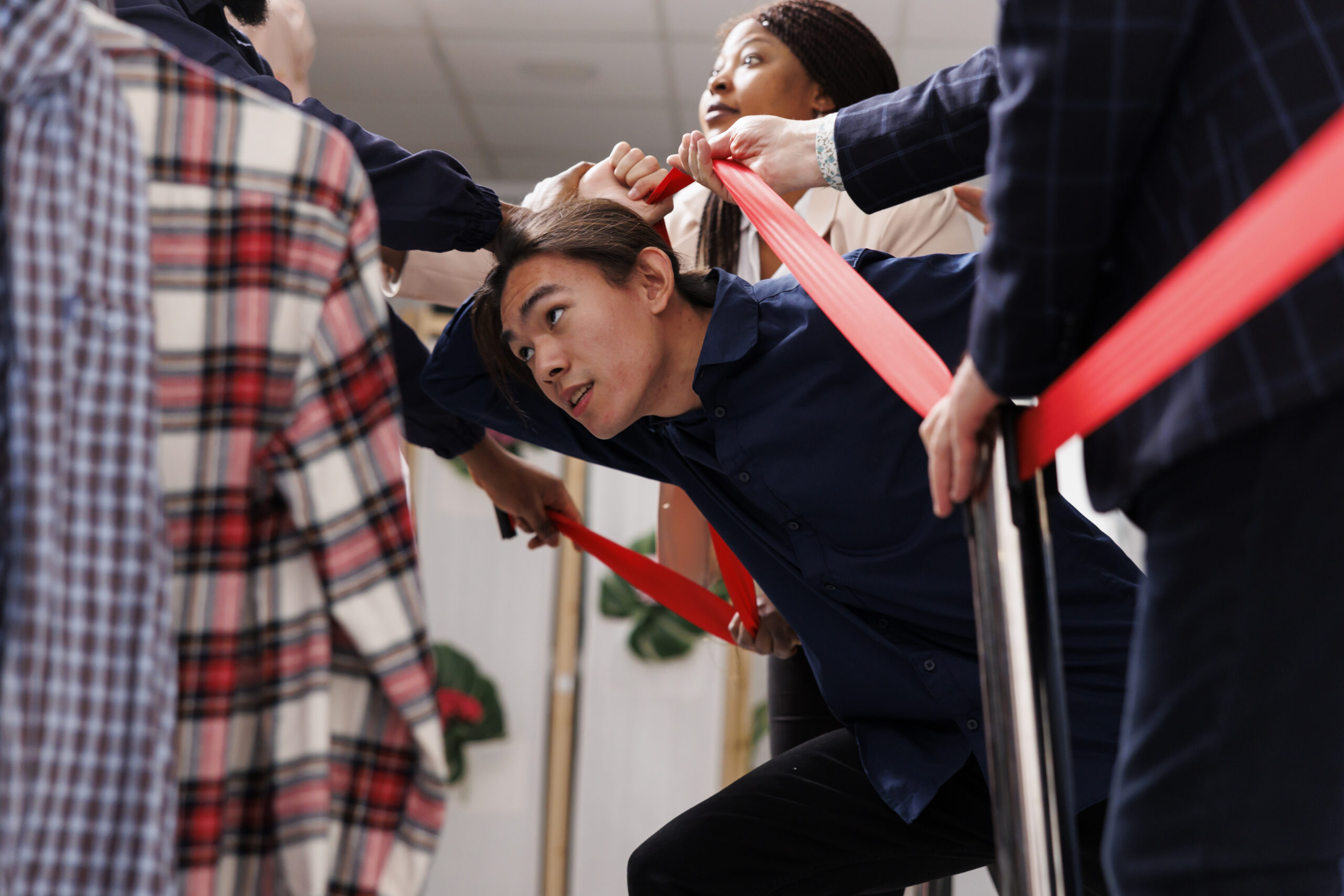
The hard truth about event security is that the most disruptive situations are almost never strangers who walked in off the street. They are guests. Sometimes they are close friends of the host. Sometimes they are family. Sometimes they are the most important person on the invite list until they are not. Professional security teams at events deal with this reality constantly, and how they handle it says everything about the quality of the operation behind them.
When the Person Causing Problems Is Someone You Know
The most socially complicated security situation at any private or corporate event is when the person who needs to be removed or controlled is connected to the host or organizer. A friend of the host who is drunk and aggressive. A business partner of the organizer who starts an argument that will not de-escalate. A family member of the VIP guest who feels immune to the rules because of who they know. These situations make event hosts freeze because the social consequences feel as serious as the safety ones.
Professional unarmed security officers who work events regularly are trained specifically for this dynamic. They understand that the person causing the problem may have a relationship with someone important in the room, and they approach the situation in a way that addresses the behavior without turning the interaction into a public confrontation that embarrasses everyone. The goal is always to resolve the situation as quietly as possible while still making clear that the behavior is not acceptable and that it needs to stop or the person needs to leave.
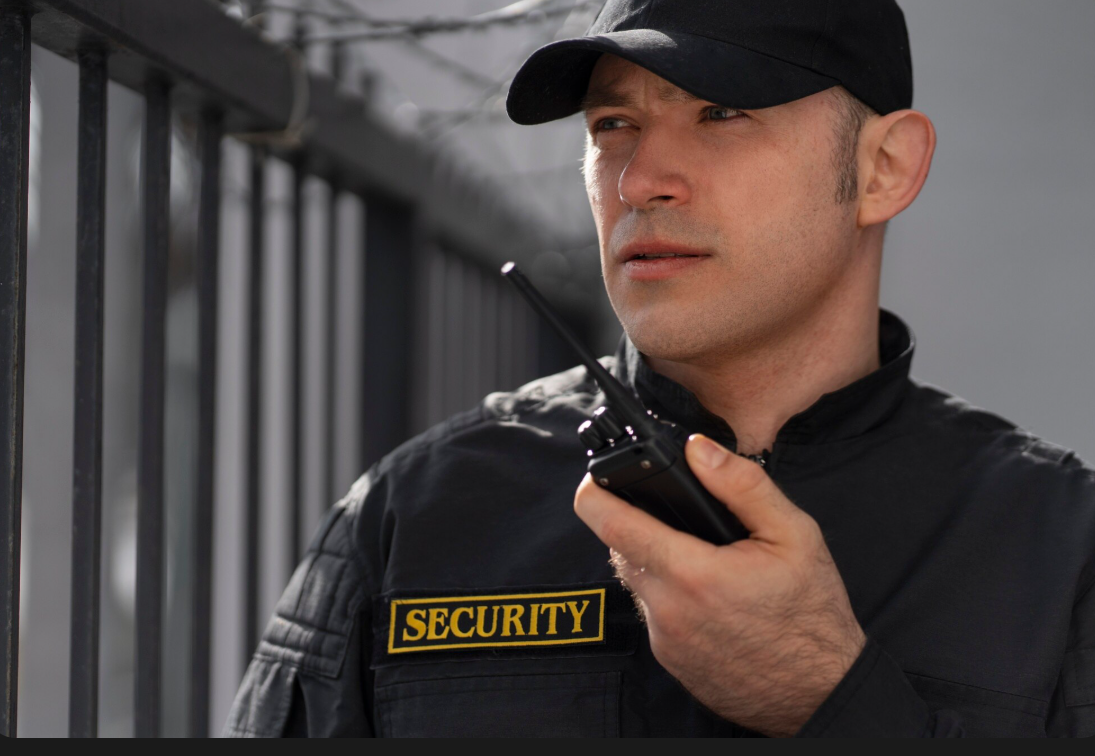
What a trained security team actually does in this situation is separate the individual from the group first. Moving someone away from the crowd removes the audience, which is often what an escalating person is responding to. Once they are away from the crowd, the conversation changes. Most people who are misbehaving at events respond very differently when they are no longer performing for an audience. A calm, professional guard who speaks to them directly and without embarrassing them in front of others often resolves a situation that looked very serious from across the room.
If the person refuses to cooperate and invokes their connection to the host or organizer, the security team does not argue the point. They ask the host or organizer to come and make a decision. This is where having a clear chain of authority before the event matters enormously. The host needs to know ahead of time that if a guest is asked to leave, the host’s confirmation is required for someone claiming a personal relationship. That decision gets made before the night starts, not in the middle of a scene. Good event security planning includes that conversation with the client as a standard part of setup.
What good security teams do when a guest becomes the problem:
- Move the individual away from the crowd before engaging them directly to reduce the audience effect
- Speak calmly and without accusation, focusing on the behavior rather than attacking the person
- Involve the host or organizer only when necessary, and only after the situation has been partially contained
- Document the interaction from the moment it begins in case it escalates to a removal or a legal matter later
- Never argue about who the person knows or what relationship they claim as a reason for the behavior to be allowed
Drunk Guests, Physical Threats, and the Line Between De-escalation and Intervention
Alcohol is involved in the majority of event security incidents. Not because events with alcohol are inherently dangerous but because alcohol removes the social filters that normally keep people from acting on impulses they would otherwise control. An extremely drunk guest at an event is not just a person having a bad night. They are a liability for the venue, the organizer, and every other guest in the room. They can injure themselves, injure others, and create a situation that results in legal and financial consequences that last long after the event is over.
When a guest is visibly intoxicated to the point where their behavior is affecting others or putting themselves at risk, professional event security does not wait for something to go wrong before acting. Waiting is the mistake. A guest who is stumbling and belligerent is a guest who is one provocation away from a fight, one step away from a fall, and one bad decision away from a medical emergency. The response from security is to engage early, assess the level of impairment, and make a judgment call about whether the person needs to sit down with water, needs a quiet exit, or needs medical attention.
The question of what happens when a guest threatens another guest is one that event organizers almost never ask in advance and always wish they had. A verbal threat between guests is not something a security team can ignore and hope resolves itself. Verbal threats often escalate. When one guest tells another they are going to hurt them, the event security team needs to treat that seriously regardless of whether both parties seem to be calming down in the moment. The person who received the threat needs to be checked on. The person who made it needs to be watched closely and in most cases removed from the event.
When a fight actually breaks out between guests, the priority order for a trained security team is clear. Stop the physical contact first. Separate the individuals second. Render or call for medical aid if anyone is injured third. Document everything fourth. The order matters because jumping to documentation while people are still swinging is the wrong call, and jumping to removal before medical needs are assessed is also wrong. A guest who gets injured during a fight at an event has legal rights, and the event organizer and security team have responsibilities. Those responsibilities are met by following the right sequence of response, not by improvising under pressure.
Physical intervention by security is the last step, not the first. Onsite security guard services that are well-trained use de-escalation as the primary tool precisely because physical intervention carries its own risks. A guard who intervenes physically in a fight between two guests is now part of a physical situation that can result in injury to the guard, injury to the guests, and legal questions about the level of force used.
Trained security personnel know how to apply just enough physical presence to stop a situation without adding to it. That skill is not instinctive. It comes from specific training in restraint techniques, body positioning, and the legal boundaries of what a security guard is and is not authorized to do.
Guide tips for handling intoxicated guests and physical conflicts at events:
- Brief your security team before the event on the venue’s alcohol service cutoff policy and what authority they have to request that bar staff stop serving a specific guest
- Identify a quiet exit route from the event floor before the night starts so that when someone needs to be removed it happens away from the crowd
- Have a designated first aid point at the event and make sure every security team member knows exactly where it is
- Make sure the security team has a direct line to emergency services contact information and knows the physical address of the venue to give to dispatchers
- Instruct staff to alert security at the first sign of an escalating verbal argument rather than waiting to see if it resolves on its own
Security Mistakes, Accountability, and What Happens When Nobody Is in Charge
Security teams are made up of people, and people make mistakes. A guard who misreads a situation and intervenes too early. A team member who uses language that escalates rather than calms. A miscommunication between two guards that leaves a gap in coverage at exactly the wrong moment. These things happen even with well-trained teams, and pretending otherwise does not help event organizers understand what to look for or how to prevent avoidable errors.
The best security operations for large corporate events and private functions build accountability into the system from the start. Every guard has a supervisor. Every action taken during an incident is documented in security compliance logs and reporting services that create a clear record of what happened, who was involved, and what decisions were made. That documentation protects the guest, the organizer, the venue, and the security team itself. When a situation is reviewed after the fact, whether by the client, by an insurance company, or by legal counsel, the log is the evidence of what actually occurred.
When a security guard makes a mistake during an event, the right response from the team is to acknowledge it internally, correct course immediately, and document the error along with the correction. A professional security guard company does not cover up errors because covering them up creates larger problems down the line. It also does not throw individual guards under the bus publicly in a way that undermines the authority and credibility of the security presence at the event. Internal accountability and external professionalism are not in conflict. They are both part of how a well-run security operation handles imperfection.
The question of what happens when nobody knows who is in charge at an event is one of the most important ones to answer before the event starts. Authority gaps are where event chaos grows fastest. When something goes wrong and three different people all think someone else is supposed to be making the call, nothing happens fast enough. The crowd sees the hesitation. The situation gets worse. More people get involved. By the time someone finally takes charge, what started as a containable incident has become something much harder to manage.
High-end event security management solves this problem with a clearly defined command structure that every person at the event, security personnel, venue staff, and the event organizer, understands before the night begins. There is one security team lead with final authority over security decisions during the event. There is one designated event contact from the organizer’s side who communicates directly with the security team lead. All other staff route their security concerns through those two people. That structure sounds simple because it is. But it is also the piece that most events skip because it requires a conversation before the event that most people would rather not have.
Can security protect someone without making the situation worse? Yes, but only when the team has the training to calibrate their response to the actual level of threat rather than responding to the most alarming possible interpretation of every situation. A guard who treats every raised voice as a physical emergency creates more chaos than they prevent. A guard who waits too long to act because they want to be sure creates a different kind of problem. The balance point between those two failure modes is judgment, and judgment is built through training, experience, and clear protocols that give security personnel a framework for decision-making under pressure.
Jeff Gutierrez Event Security Guard invests heavily in the preparation side of every event precisely because the questions above do not have good answers when they are first asked in the middle of an incident. The answers need to exist before anything happens. Who has authority? What is the removal protocol? What happens if the person being removed is connected to the host? What is the medical response chain? What gets documented and by whom? Those answers, written into the event security plan before the first guest arrives, are what make the difference between an event that handles its chaos professionally and one that lets the chaos define the night.
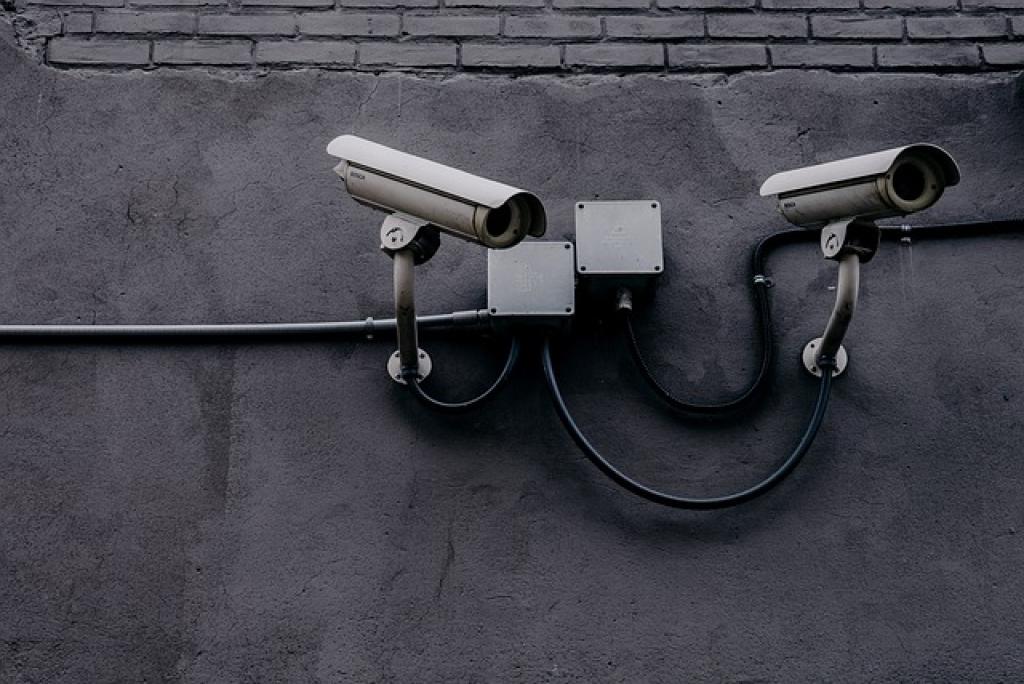
Real-time surveillance monitoring solutions add a layer of visibility that supports all of these decisions. When a security command team can watch live camera feeds from across the venue, they see situations developing before the guards on the floor do. That early visibility allows for early direction, which usually means earlier resolution. Advanced surveillance and monitoring systems at events are not just for recording. They are decision-support tools that make every human on the security team faster and better informed.
Events are unpredictable by nature. Put enough people in a room and something unexpected will eventually happen. That is not a reason to worry. It is a reason to prepare. A security team that has already talked through the hard scenarios, that knows their authority and their limits, that has a clear chain of command and a solid documentation process, and that is backed by proper surveillance coverage can handle almost anything an event produces. The chaos does not disappear. It just stops being in charge.