
Centralized Building Monitoring
Most people do not think about building security until something goes wrong. A break-in, a fire, an unauthorized person wandering into a restricted area. By the time an incident happens, the damage is already done. Centralized building monitoring is the approach that changes that. Instead of reacting after the fact, it lets security teams watch everything in real time and respond before small problems turn into big ones. For businesses, property managers, and event organizers across San Francisco and the Bay Area, understanding how this works can make a real difference in how safe their spaces actually are.
Centralized monitoring is not just one tool. It is a system that brings together camera systems, alarm systems, access control, and trained security personnel into one coordinated operation. Everything feeds into a single hub where trained eyes watch for problems around the clock. When something looks off, the response is immediate. That kind of setup is what separates a reactive security plan from a truly protective one.
What Centralized Building Monitoring Actually Means
At its core, centralized building monitoring means that all of a building’s security technology and personnel are connected and managed from one location. Instead of having separate systems for cameras, alarms, and door access that nobody is actively watching, everything runs through a central command point. Someone is always watching. Someone is always ready to act.

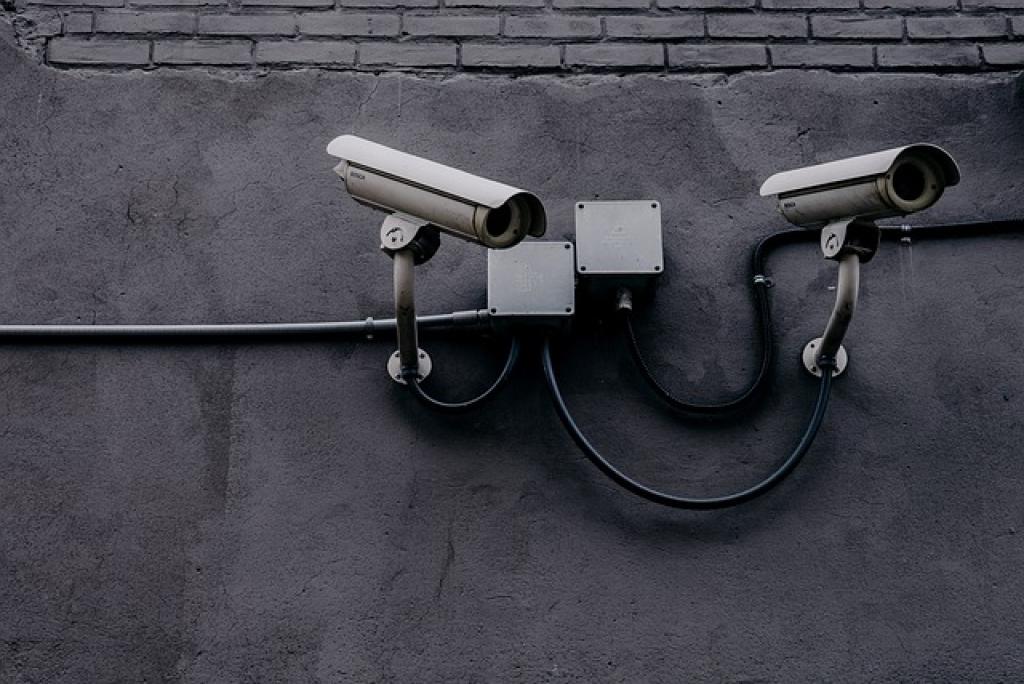
This matters more than most people realize. A camera system that records footage but has no one monitoring it live is useful after an incident, but it does nothing to stop one in progress. Real-time surveillance monitoring solutions change that entirely. When a guard or monitoring operator sees something suspicious on a live feed, they can alert onsite security guard services immediately, contact law enforcement, or trigger an alarm. The window between a threat appearing and a response happening shrinks dramatically.
For large commercial buildings, corporate campuses, retail centers, and event venues, this kind of setup is becoming the standard. Business security solutions that rely on disconnected tools and no live oversight leave too many gaps. A centralized approach closes those gaps by making sure that every camera, every door sensor, and every alarm is part of one system that is always active.
Here is what a well-built centralized monitoring setup typically includes:
- Advanced surveillance and monitoring systems with live feeds from every camera on the property
- Alarm systems tied directly to the monitoring hub so alerts are instant
- Access control logs that track who enters and exits every door
- Direct communication lines between the monitoring center and onsite security guards
- Security compliance logs and reporting services that document every event and response
Why Businesses in San Francisco Are Moving Toward This Model
San Francisco has a unique mix of high-value commercial properties, busy retail corridors, large event venues, and dense residential areas. That mix creates a wide range of security challenges that a single camera or a single guard cannot handle alone. Business security services Bay Area property owners rely on have been shifting toward centralized monitoring because it simply works better than older, fragmented approaches.
Retail theft is one of the biggest drivers of this shift. Top retail theft prevention security companies now build their entire service model around real-time visibility. When surveillance system installers San Francisco businesses hire set up cameras that feed into a live monitoring center, store managers can see problems as they happen rather than finding out about them hours later when reviewing footage. Retail security guards San Francisco shops use can be directed in real time to the exact location where a problem is developing instead of patrolling blindly.
Corporate offices face a different set of challenges. Unauthorized access, data theft, and workplace safety all become easier to manage when a central system tracks every entry point and flags unusual activity. Enterprise-level physical security solutions built around centralized monitoring give large organizations a way to manage security across multiple floors or even multiple buildings from a single location. That kind of operational security management would be impossible without the technology and trained personnel working together.
Event venues and temporary setups have also started adopting centralized monitoring approaches. Security operations for large corporate events now often include mobile monitoring stations that can be set up anywhere and connect to the same kind of real-time oversight that permanent buildings use. High-end event security management teams use this to cover large crowds, multiple entry points, and complex venue layouts in a way that would be impossible to manage with guards alone.
A few reasons why this model stands out for Bay Area businesses:
- Faster response times because monitoring and dispatch happen from the same place
- Better coverage with fewer blind spots because all systems are mapped and integrated
- Cleaner documentation through security compliance logs and reporting services that capture every incident automatically
- Lower long-term costs because problems are caught earlier and losses are reduced
The Role of Security Guards in a Centralized System
Technology is powerful, but it does not replace people. Centralized building monitoring works best when trained security personnel are part of the system. Guards on the ground can respond to what the monitoring center sees, investigate flagged areas, and handle situations that cameras and alarms cannot resolve on their own. The combination of physical presence and live oversight is what makes the whole system work.
Armed guards play a specific role in high-risk environments. Armed security guard services for high-risk locations need to be coordinated carefully, and a centralized system makes that coordination much more effective. When a monitoring operator can see exactly where a threat is developing and guide armed security guards San Francisco teams to the right location in real time, the response is faster and more precise than anything possible with radio check-ins alone.
For lower-risk environments, professional unarmed security officers handle the majority of incidents. Unarmed guard services for offices and retail spaces are a good fit for most commercial buildings where the goal is deterrence, access control, and responding to everyday issues like unauthorized visitors or minor disturbances. Unarmed security San Francisco teams that are connected to a central monitoring hub can still respond with the speed and accuracy of a much larger security operation.
Emergency security guard dispatch is another area where centralized monitoring adds real value. When an alarm triggers or a camera picks up something unusual, the monitoring center can dispatch the nearest available guard immediately. There is no waiting for someone to notice, no delayed calls, and no confusion about where the problem is. The system handles the coordination so guards can focus on the response.
Guide tips for integrating guards into a centralized system:
- Make sure every guard has a direct communication line to the monitoring center at all times
- Use real-time surveillance monitoring solutions to position guards where activity is highest during peak hours
- Conduct regular risk assessment and operational security planning sessions to adjust guard placements as the building’s needs change
- Keep guards informed about what the cameras are showing so they can respond proactively instead of reactively
Setting Up Centralized Monitoring for Your Building
Getting a centralized monitoring system in place takes planning. It is not as simple as buying cameras and plugging them in. A proper setup starts with a physical security planning and audit of the building to identify all the entry points, high-risk areas, and blind spots that need coverage. That audit shapes everything that comes after, from where cameras are placed to how many guards are needed and where they should be stationed.
Commercial surveillance system installation should always be done by professionals. Surveillance system installers San Francisco businesses trust know how to position cameras for maximum coverage, handle the technical side of connecting everything to a central hub, and test the system before it goes live. Amateur installation leaves gaps. Professional installation closes them.
Alarm and camera system installation for businesses should be treated as one project, not two separate ones. When alarm systems and camera systems are installed together and connected to the same monitoring hub, they reinforce each other. An alarm tells the monitoring team something is happening. The cameras show them exactly what and where. That combination makes the response much faster and more effective than either system working alone.
Once the technology is in place, the human side of the operation needs to match it. That means hiring the right mix of armed and unarmed guard services, setting up clear protocols for how guards and the monitoring center communicate, and making sure everyone knows their role when an incident happens. Professional security guard company teams that specialize in integrated security can help design and manage this kind of operation from start to finish.
Jeff Gutierrez Event Security Guard works with businesses, property managers, and event organizers across San Francisco and the Bay Area to build security plans that actually fit the space and the risk level. From commercial surveillance system installation to onsite security guard services and 24-hour security services San Francisco properties depend on, the goal is always the same. Make the space safer before something goes wrong, not after.
Centralized building monitoring is not a luxury reserved for large corporations. Any business that wants to protect its people, its property, and its operations can benefit from this approach. The technology has become more accessible, the services have become more flexible, and the results speak for themselves. A connected, coordinated security system with real people watching and responding is the most reliable way to keep a building safe. If your current setup relies on disconnected tools and no live oversight, it may be time to look at what a centralized approach could do differently.