
Smart Security for Small Apartment Buildings
Small apartment buildings occupy a unique space in the world of property security. They are not large enough to justify the full-scale security infrastructure of a high-rise residential complex, but they face many of the same risks: package theft, unauthorized entry, trespassing in common areas, parking lot incidents, and the challenge of keeping a shared living environment safe for everyone who calls it home. Property owners and managers who oversee buildings with four to thirty units often find themselves in a position where they know more security is needed but are not sure what makes sense at their scale or how to prioritize limited resources.
The good news is that smart security for small apartment buildings does not require the budget of a large residential complex. It requires the right combination of technology, physical measures, and in some cases professional security services, chosen and configured specifically for the size and nature of the property. This blog walks through the most effective security measures for small apartment buildings in San Francisco, explains why each one matters, and gives property owners a clear picture of how to build a security setup that genuinely protects residents without overcomplicating or overinvesting in the wrong things.
Where Small Apartment Buildings Are Most Vulnerable
Before spending money on any security measure, it helps to understand where small apartment buildings actually face the most risk. The vulnerabilities that affect these properties are consistent enough across San Francisco and the Bay Area that a clear picture of them can guide almost any property owner toward a smarter starting point than guessing based on what seems reasonable.
Building entry points are the first and most obvious area of vulnerability. The front door of a small apartment building is the primary barrier between the street and the people who live inside, and it fails in more ways than most people think. Propped doors left open by residents who are moving furniture, making multiple trips to the car, or just being careless are one of the most common access control failures in small residential buildings.
Doors with worn-out magnetic locks or latches that do not fully engage provide easy entry to anyone willing to push firmly. And intercom systems that residents buzz open without actually confirming who is outside create an access point that functions more like an open door than a controlled one.

Common areas inside the building, including hallways, laundry rooms, mail rooms, and parking garages, are spaces where incidents concentrate. These areas are semi-public in nature, accessible to all residents but not to outsiders, and they tend to receive less attention and oversight than the building entrance. Package theft from mail rooms and hallways has become one of the highest-frequency crime categories in residential buildings across San Francisco.
Incidents in parking garages, from vehicle break-ins to confrontations, are another consistent problem. Laundry rooms, which are often located in lower-traffic areas of a building and are used at all hours, represent a personal safety risk for residents who use them alone late at night.
The exterior of the property, including the sidewalk-facing facade, any outdoor common areas, and the perimeter of a parking lot or courtyard, creates a different set of vulnerabilities. Trespassing, vandalism, and loitering in the exterior spaces adjacent to the building affect both the safety of residents and the condition of the property. In neighborhoods where these activities are more common, a property that presents itself as unmonitored and unmanaged tends to attract more of the same behavior over time.
Here is a practical guide to the specific vulnerability points that small apartment building owners should evaluate:
- Front entry door hardware, locking mechanisms, and intercom systems that may be worn, outdated, or used in ways that undermine their effectiveness.
- Mail and package delivery areas that lack camera coverage and have no protocol for managing the growing volume of deliveries that residents receive.
- Laundry rooms, storage areas, and other common spaces that are accessible to all residents but receive no camera monitoring and no regular security check.
- Parking garages and outdoor parking areas adjacent to the building where vehicle break-ins and property theft are concentrated.
- Building perimeter areas including courtyards, side alleys, and rear access points that are out of sight from the street and frequently left unmonitored.
- Lighting conditions throughout the property, including stairwells, hallways, parking areas, and building approaches that may create unsafe conditions for residents moving through after dark.
The Right Technology for Small Residential Buildings
Technology is the foundation of a cost-effective security setup for small apartment buildings because it extends coverage to areas and time periods where a human presence is not practical. The key is choosing technology that is scaled to the property rather than installing systems designed for larger commercial environments that create complexity and cost without proportional benefit.
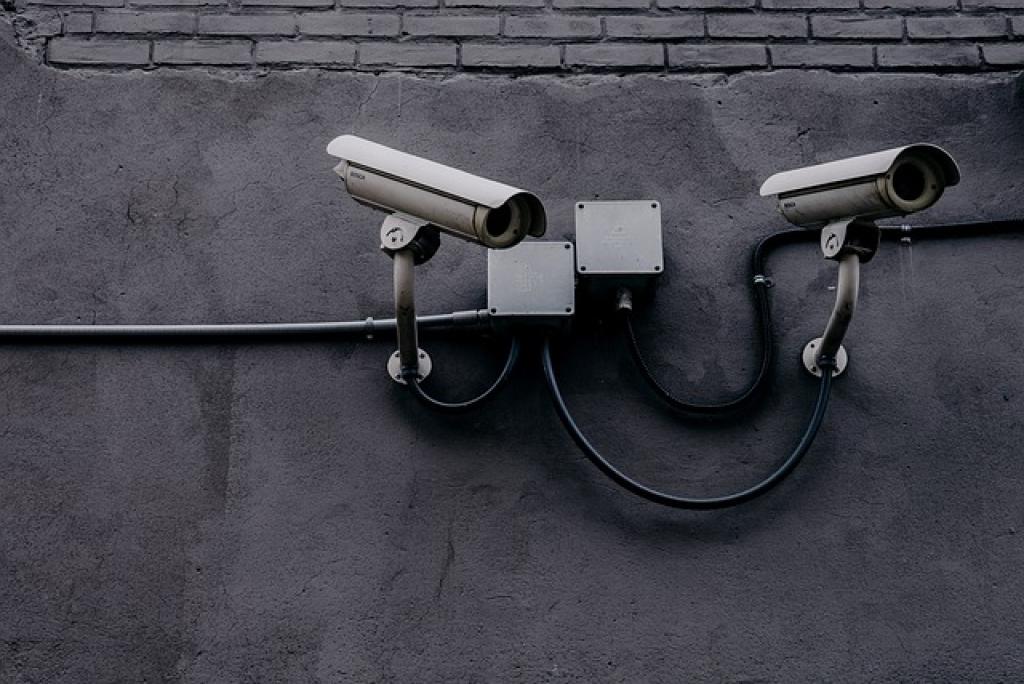
Camera systems are the single most impactful technology investment for most small apartment buildings. The placement of cameras matters far more than the quantity. A small building with four well-positioned cameras covering the front entry, the mail and package area, the parking area, and the rear or side access point has stronger effective coverage than a building with twelve cameras placed without a clear strategy.
Professional surveillance camera installation that accounts for the specific layout of the property, the lighting conditions at different times of day, and the areas where incidents are most likely to occur produces a system that actually deters crime and captures usable footage when incidents do happen.
Modern camera systems for residential properties include features that are particularly valuable for small building owners who are not on site continuously. Remote viewing through mobile apps allows a property manager to check live feeds from anywhere at any time. Motion-triggered alerts notify the owner when activity is detected in monitored areas outside of normal hours.
Cloud-based footage storage means that recorded video is accessible even if a camera is physically tampered with. Advanced surveillance and monitoring systems at this level are more affordable than most property owners realize, and the deterrence value of visible, high-quality cameras significantly reduces the likelihood of incidents occurring in the first place.
Alarm systems for small apartment buildings serve a different function than in commercial properties but are no less important. A business alarm system approach adapted for residential use covers building entry points, ground-floor windows, and any secondary access point that could be used to enter the building without authorization. When an alarm activates, it both deters the person triggering it and generates an alert that can go to the property owner, a monitoring service, or an emergency response team.
Alarm and camera system installation for residential buildings that integrates these two systems, so that an alarm activation immediately displays the relevant camera feed to whoever receives the alert, creates a response capability that is meaningfully faster than either system working independently.
Smart access control is an upgrade from traditional key-based entry that more small apartment buildings in San Francisco are moving toward. Key fob or smartphone-based building entry systems eliminate the problem of lost keys that can never be truly secured once they leave the building, allow property managers to revoke access immediately when a tenant moves out, and create a log of every entry that can be reviewed if an incident occurs. The access control log is itself a form of security documentation that supports any investigation and discourages unauthorized access by making every entry attributable to a specific credential.
When Professional Security Services Make Sense for a Small Building
Technology handles a lot of what a small apartment building needs, but there are specific situations where professional security services add a layer of protection that cameras and alarms cannot provide on their own. Understanding when those situations apply to your property helps you make a confident decision about whether and how to bring in professional coverage.
Buildings that have experienced repeated incidents, including multiple package thefts, regular trespassing, vandalism that keeps coming back, or a pattern of safety complaints from residents, are past the point where technology upgrades alone are likely to change the situation.
A pattern of incidents signals that the property has been identified as an easy target, and that perception does not change until something more active than a camera makes the risk calculation less favorable for the people causing problems. Regular patrol visits from a professional security company San Francisco change that perception in a way that passive technology cannot.
Mobile patrol security services are particularly well-suited to small apartment buildings because they provide professional human oversight without the cost of a dedicated stationary guard. A patrol officer who visits the property multiple times throughout the night on an unpredictable schedule checks the building perimeter, confirms that entry points are secured, looks for any signs of unauthorized activity, and logs their observations.
Security compliance logs and reporting services from those patrol visits give the property owner a documented record of when the building was checked and what was found, which supports insurance documentation and helps demonstrate that the property is being actively managed.
Properties in areas of San Francisco with higher incident rates, or buildings that have residents who have expressed specific safety concerns, benefit from more frequent patrol coverage or from having a professional unarmed security officer present during the hours when residents are most likely to be moving through common areas. Unarmed security San Francisco services for residential properties are priced and structured very differently from large commercial deployments, making them accessible for small building owners who might assume professional security is only for larger operations.
When a small apartment building hosts any kind of gathering that brings additional people onto the property, whether it is a tenant event in a shared courtyard, a holiday party in a common room, or any situation where the normal resident population is supplemented by visitors, the security considerations change.
Even small gatherings benefit from having a plan for how access will be managed, how common areas will be monitored during the event, and what the response protocol is if something goes wrong. This is where the overlap between residential security and event security services becomes relevant. Onsite security guard services for property events, even small ones, ensure that the building and its residents are protected during periods of elevated activity.
Jeff Gutierrez Event Security Guard works with property owners and managers across San Francisco and the Bay Area to assess the specific security needs of residential properties and build plans that fit the actual scale and risk profile of each building. Risk mitigation and threat assessment services tailored to small residential properties identify which vulnerabilities are most pressing, which technology investments will deliver the most impact, and whether professional patrol or guard services make sense given the specific history and conditions of the property.
A Bay Area security company that understands both the residential environment and the specific character of different San Francisco neighborhoods brings genuinely relevant knowledge to that assessment. Smart security for a small apartment building is not about scaling down a corporate security plan. It is about building the right plan for the right property from the start, and making sure the people who live there feel genuinely safe every day.