Securing Events With Multiple Entrances
Running an event with one entrance is already a challenge. Running one with three, five, or ten entrances is a completely different level of complexity. Every door, gate, and access point is a potential weak spot. If even one entrance is left understaffed or unmonitored for a few minutes, that is enough time for the wrong person to walk in, for a ticket holder to be turned away incorrectly, or for a crowd situation to develop without anyone noticing. Events with multiple entrances require more than good intentions. They require a real plan, the right people, and the right technology working together from the moment the first guest arrives.
This is one of the areas where professional event security makes the biggest difference. It is not just about having bodies at the door. It is about knowing how many people you need, where to put them, how they communicate with each other, and what happens when something goes wrong at one entrance while three others are still processing guests. Getting that coordination right is what separates a smooth event from a chaotic one.
Why Multiple Entrances Create Unique Security Challenges
A single entrance is easy to control. You put trained security personnel there, you set up your check-in process, and you manage the flow. When you add more entrances, you multiply every variable. More doors means more guards needed, more communication required, more technology to deploy, and more ways for things to go wrong if any one piece of the plan is missing.
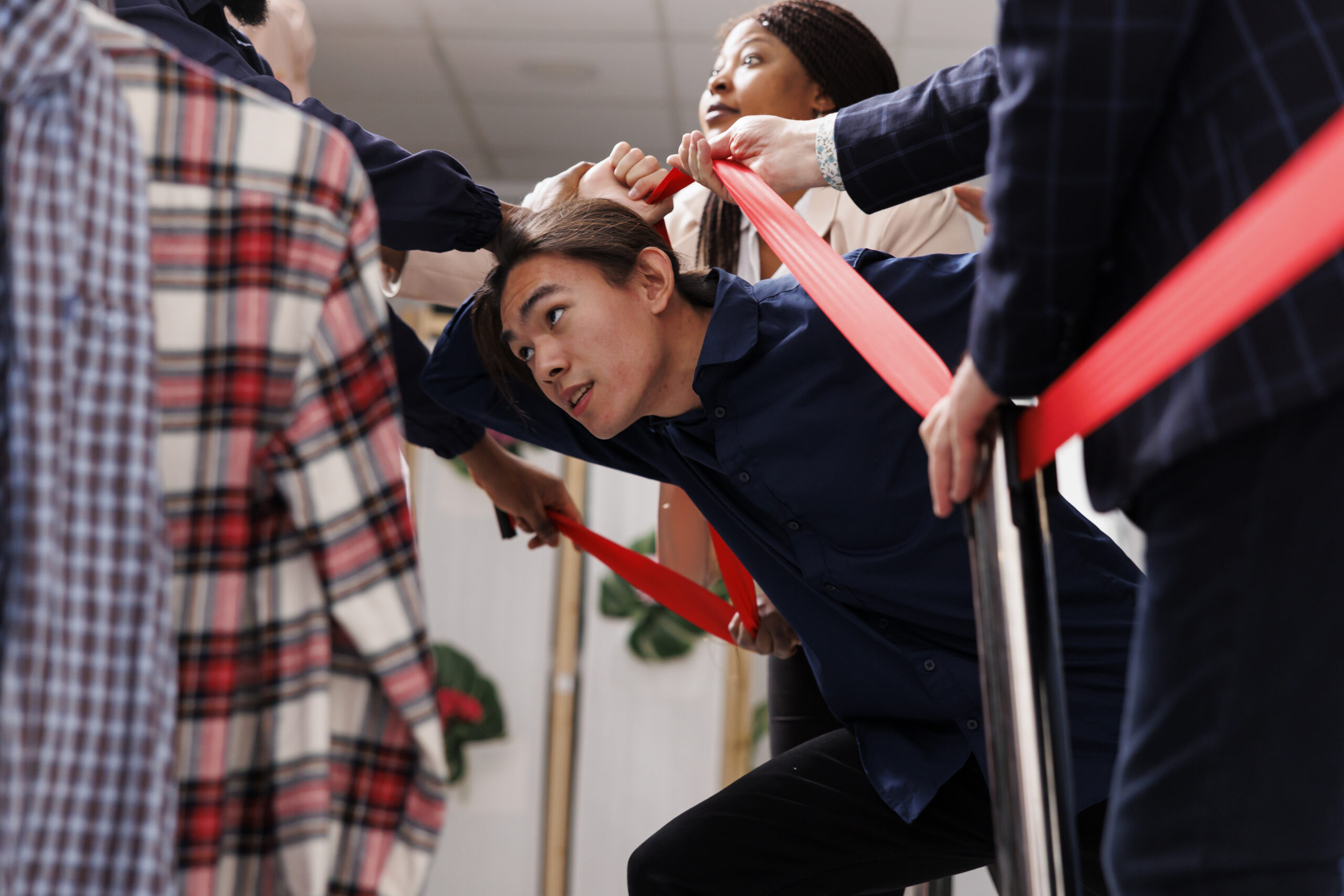
The biggest challenge is consistency. Every entrance needs to operate at the same standard. If the main gate has a full bag check and credential verification process but a side entrance is only staffed by one person doing quick visual checks, you have created an obvious weak point. People who want to bypass security will find it. Crowds that feel one line is moving faster will gravitate toward it, causing uneven flow and pressure on specific points. A professional security guard company builds entrance plans that treat every access point with the same level of attention, not just the most visible one.
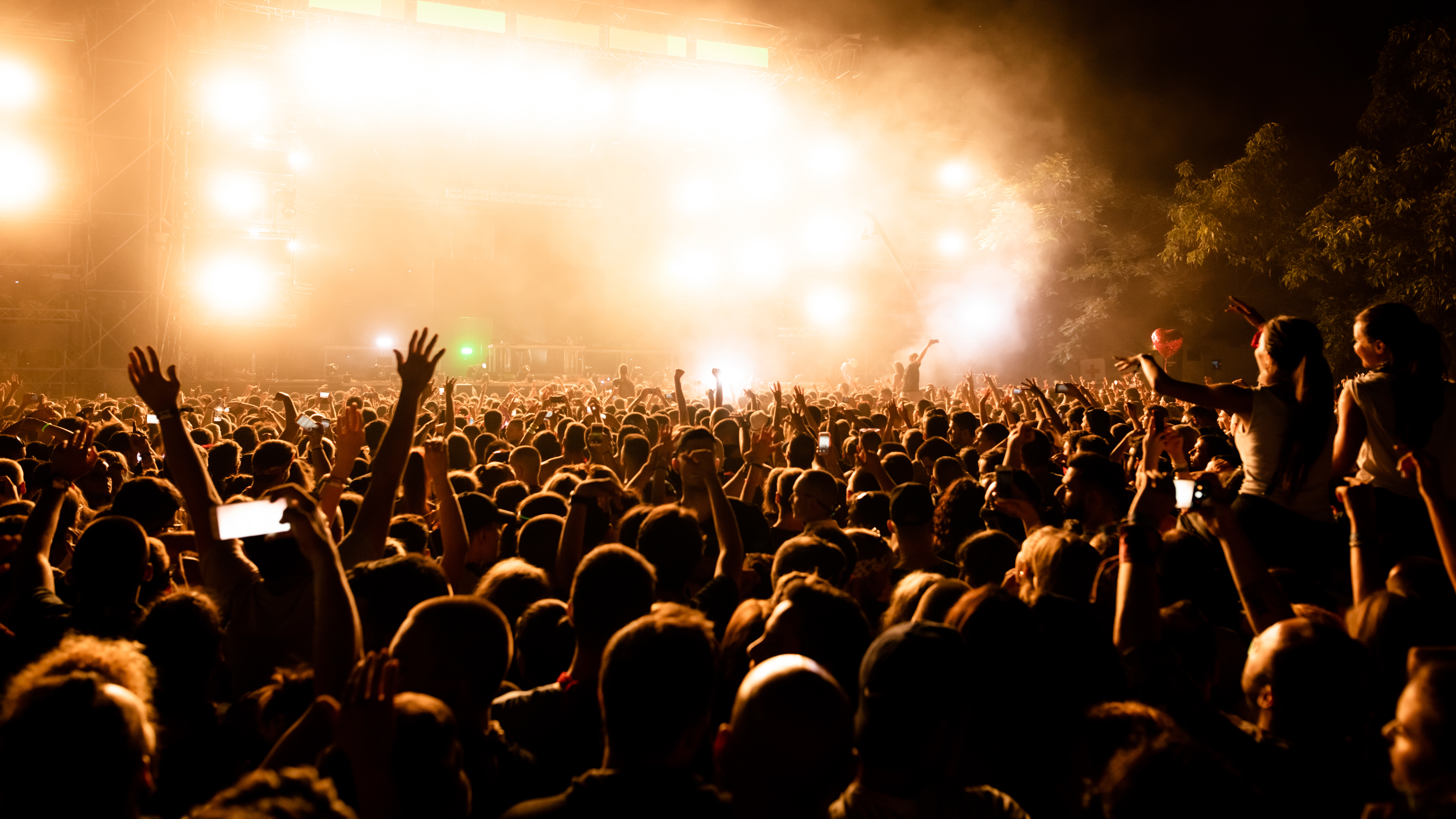
Communication is the other major factor. When something happens at entrance three, the guard at entrance seven needs to know about it quickly. If the team is not connected through reliable communication channels, information travels too slowly to be useful. By the time word gets around, the situation has already changed. Real-time communication between all entrance teams and a central coordination point is what keeps everyone on the same page throughout the event.
Common challenges that come with multi-entrance events:
- Uneven crowd distribution when guests cluster at certain entrances and avoid others
- Inconsistent screening if each entrance operates without a shared protocol
- Delayed response when an incident at one entrance is not communicated quickly to the rest of the team
- Technology gaps when camera systems and alarm systems are not covering all access points equally
- Credential fraud when multiple entry points make it harder to catch duplicate tickets or fake passes
Building a Strong Access Control Plan
Access control is the foundation of any multi-entrance security operation. Before a single guard is posted and before any guest walks through a door, there needs to be a clear and detailed plan for how each entrance will function. That plan starts with a physical security planning and audit of the venue. Every entrance, exit, service door, and emergency access point needs to be identified, mapped, and assigned a security level based on the risk it represents and the volume of traffic it will handle.
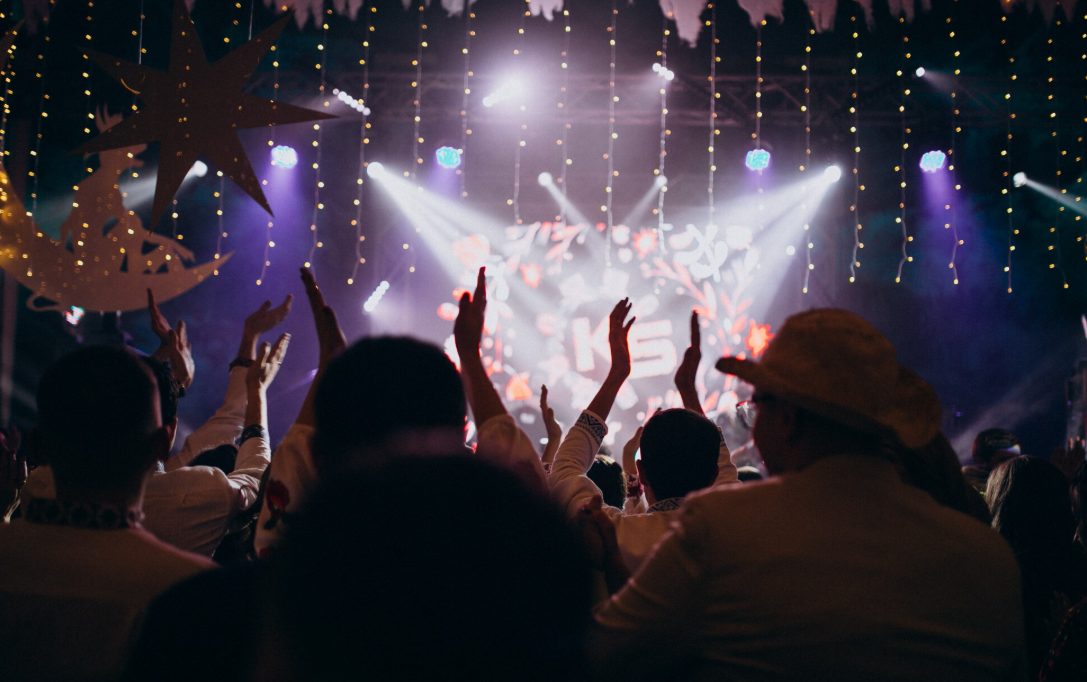
Once the layout is mapped, the staffing plan follows. Not every entrance needs the same number of guards or the same type. A main public entrance at a large festival might need four to six professional unarmed security officers handling crowd flow, credential checks, and bag screening all at once. A VIP entrance might need two guards plus a dedicated credential verification system and a direct line to private security services for VIP and executives who need discreet, efficient access. A service entrance might only need one guard, but that person needs to be alert and clear on exactly who is authorized to use that door.
The type of event also shapes the access control plan. Security operations for large corporate events often involve tiered access, where different guests have clearance for different areas of the venue. That means not just controlling who comes in through the front door but also managing internal movement once people are inside. Security guard services for festivals and events that span large outdoor areas need to account for perimeter control as well, since determined individuals will look for ways to enter that have nothing to do with the official entrances.
Guide tips for building a solid access control plan:
- Assign a lead guard to each entrance who has direct radio contact with the event security command point
- Use matching protocols at every entrance so screening is consistent regardless of which door a guest uses
- Build a credential system that can flag duplicate entries in real time to prevent ticket fraud across multiple doors
- Plan for surge moments like scheduled performer arrivals or half-time breaks when multiple entrances will see traffic spikes at the same time
- Run a walkthrough of every entrance with the full security team before the event opens so everyone knows their role and their area
Technology That Supports Multi-Entrance Security
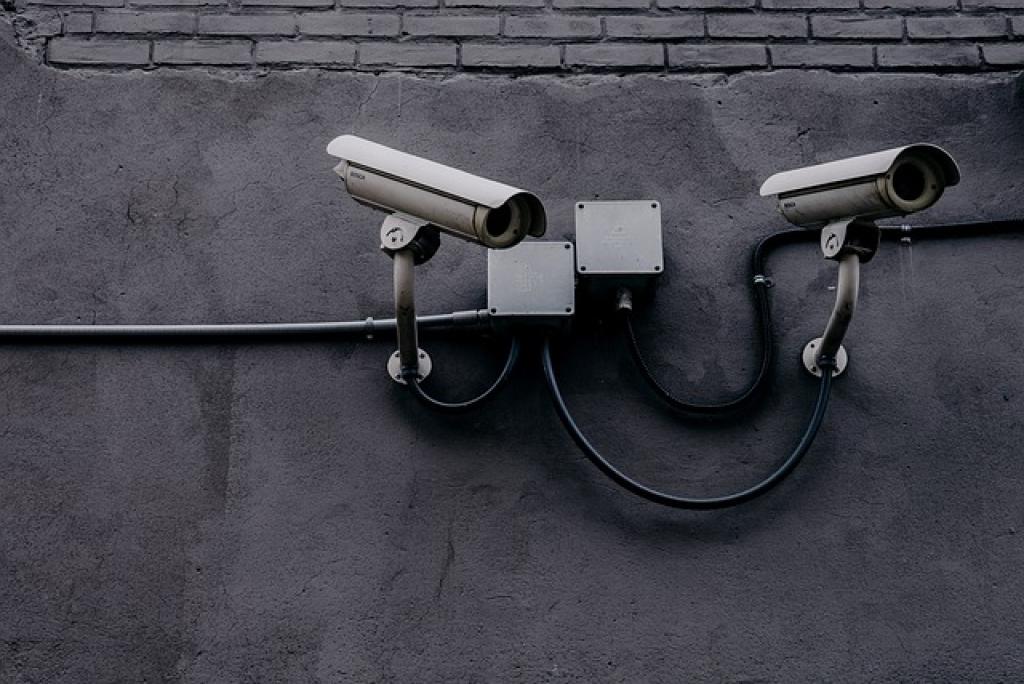
People and planning are the core of good event security, but technology makes both work better. For events with multiple entrances, surveillance systems and camera systems are not optional. They are the eyes that cover the spaces guards cannot watch directly at every moment. When all entrances are visible through a live feed connected to a central monitoring point, the team can see developing situations across the entire venue at once instead of relying only on what individual guards report.
Advanced surveillance and monitoring systems placed at each entrance allow the security command team to watch crowd density, flag unusual behavior, and direct ground personnel to specific locations before small issues become larger ones. Real-time surveillance monitoring solutions mean that if a crowd starts building up at one entrance while another is nearly empty, the command team can redirect guests and reposition guards within minutes. That kind of dynamic response is only possible when the technology is in place and someone is actively watching it.
Alarm systems play a supporting role too. Emergency alerts tied to specific doors can notify the entire security team instantly if an entrance is breached, if a door is held open too long, or if a restricted area is accessed without authorization. Business alarm system installation designed for event use needs to be fast to deploy, reliable under crowd conditions, and integrated with the communication system the security team is using. A standalone alarm that only beeps at the door it is attached to does very little when the rest of the team is spread across a large venue.
For events that recur at the same venue, commercial surveillance system installation that becomes a permanent part of the building infrastructure makes every future event easier to secure. Surveillance system installers San Francisco event venues work with can design systems specifically for multi-entrance facilities, covering every access point with overlapping camera angles that eliminate blind spots entirely.
Technology tools that make a real difference at multi-entrance events:
- Live camera feeds from every entrance connected to a central command monitor
- Radio or digital communication systems that connect all entrance teams instantly
- Credential scanning technology that prevents duplicate ticket use across different doors
- Alarm systems tied to restricted access points that alert the full team automatically
- Real-time surveillance monitoring solutions that let the command team direct guards dynamically as conditions change
Staffing and Coordination Across All Entrances
The technology and the plan only work if the people running them are prepared. Staffing a multi-entrance event well means thinking carefully about the total number of guards needed, the mix of armed and unarmed guard services appropriate for the event type, and how every person on the team connects to the overall operation.
For most public events, professional unarmed security officers handle the majority of entrance duties. They manage guest flow, check credentials, conduct bag screenings, and handle the everyday situations that come up when large numbers of people are moving through access points. Unarmed security San Francisco event teams are trained in de-escalation and crowd management, which are the skills most needed at a busy entrance where tensions can run high if lines move slowly or guests are turned away.
For events with elevated risk profiles, hire armed security guards to cover specific positions within the entrance plan. Armed security guards San Francisco teams provide a visible deterrent at high-profile events and are prepared to respond to serious threats quickly. Armed guards are not typically stationed at every entrance but are positioned strategically at the points of highest risk or responsibility, such as VIP access points, cash handling areas, or locations where high-value assets are moving in and out.
Emergency security guard dispatch is a piece of the staffing plan that is easy to overlook but very important. If every guard is assigned to a fixed post and something serious happens at one entrance, there needs to be a reserve capacity to respond. A team with no flexibility is a team that cannot adapt when the plan meets reality. The best event security companies in San Francisco build response capacity into every staffing plan so there are always guards available to move where they are needed most.
Jeff Gutierrez Event Security Guard approaches multi-entrance events with the same level of detail that a venue manager puts into the event itself. The goal is not just to have guards at every door but to build a system where every entrance is equally controlled, every guard knows exactly what to do, and every piece of technology supports the people on the ground. Events across San Francisco and the Bay Area come in all shapes and sizes, and the security plan needs to match the specific layout, crowd size, and risk profile of each one.