Emergency Planning & Risk Management for Businesses
Most businesses spend a lot of time planning for the things they expect. Sales targets, staffing schedules, inventory management, marketing campaigns. But the situations that cause the most damage are almost never the ones anyone saw coming. A break-in on a quiet Tuesday night. A medical emergency during a packed company event. A fire alarm that clears a building full of employees and customers with no one sure where to go or what to do next. These moments reveal very quickly whether a business has an actual emergency plan or just a general sense that someone would probably figure it out.
Emergency planning and risk management is not just for large corporations with dedicated safety departments. Businesses of every size in San Francisco face real threats, and the ones that handle those threats best are the ones that thought through their response before anything happened. This guide covers how to build a practical emergency and risk management plan, how professional security services fit into that plan, and what the businesses that do this well actually have in common. Whether you run a retail store, manage a commercial property, or organize corporate events, the information here gives you a clear starting point.
Understanding What Risk Management Actually Means for a Business
Risk management sounds like a corporate buzzword, but the concept is straightforward. It means identifying the things that could go wrong in your specific business environment, honestly evaluating how likely they are and how serious the consequences would be, and then putting plans and resources in place to reduce the chances of those things happening and to limit the damage when they do. That process applies to every type of business, from a small boutique retailer to a large tech company running events for hundreds of people.
For most businesses in San Francisco, the starting point for risk management is a professional risk assessment. This is a structured evaluation of the physical environment, the people who use it, the assets it contains, and the specific threats that apply to that type of business in that location. A retail store in Union Square has a very different risk profile than a corporate office in the Financial District or a construction site in the Mission. Customized physical security planning for businesses starts with understanding those differences and building a plan around them rather than applying a one-size approach that misses the real vulnerabilities.
Risk assessment and operational security planning looks at several layers simultaneously. Physical access is one layer: how easy is it for someone to enter the building, move through restricted areas, or leave with something they should not have? Technology is another layer: are the alarm systems, camera systems, and surveillance systems in place actually working and actually being monitored? Human coverage is a third layer: are there trained professionals on site who can respond to an incident, and do they know what to do when something happens? A complete risk assessment looks at all three layers and identifies where the gaps are between what is currently in place and what the business actually needs.
Here is a practical guide to the first steps of building a risk management plan for your business:
- Walk through your entire property and identify every point where unauthorized access could occur, including secondary doors, windows, loading areas, and any entry point that is not actively monitored during business hours.
- List the assets in your business that would be most costly or damaging to lose, including physical property, equipment, inventory, data, and the safety of your employees and customers.
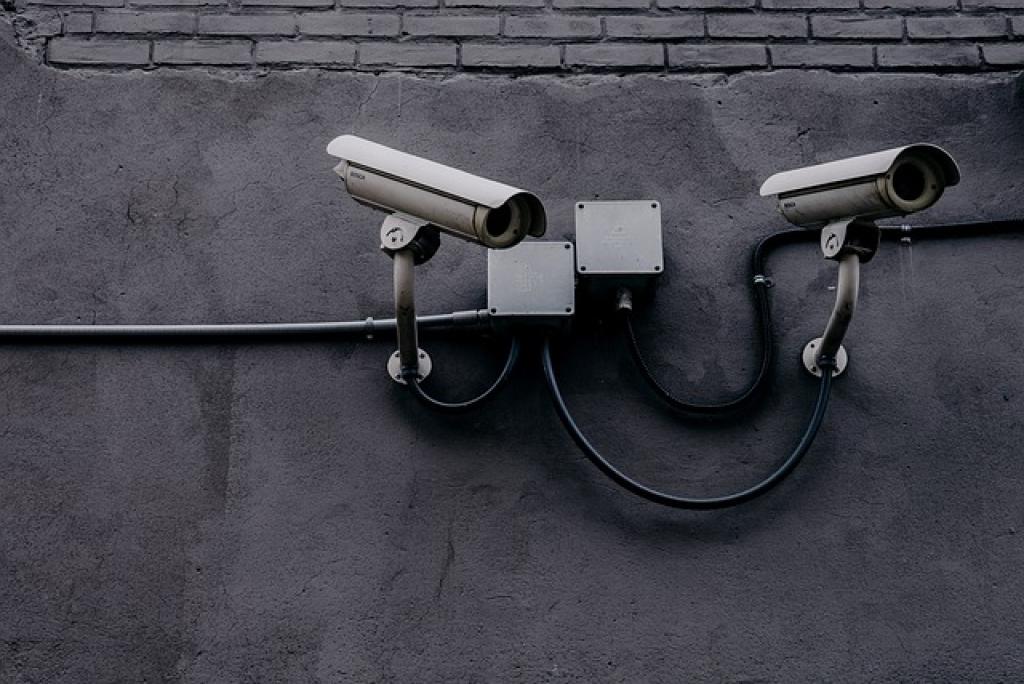
- Review your current alarm systems and camera systems to determine whether they are functioning correctly, whether they cover the areas that matter most, and whether anyone is monitoring them in real time or only reviewing footage after an incident.
- Identify the emergencies most likely to affect your specific type of business, such as theft for retail, medical emergencies for event venues, or fire for businesses with large amounts of equipment or inventory on site.
- Evaluate your current response capacity honestly: if something happened right now, who would respond, what would they do, and how long would it take for professional help to arrive?
Building an Emergency Response Plan That Works Under Pressure
An emergency plan that only exists on paper and has never been practiced is not much better than no plan at all. The businesses that handle emergencies well are the ones whose employees and security personnel have been through the plan enough times that the right actions become automatic under pressure. Building that kind of readiness takes more than writing a document. It takes training, communication, and regular review.
The foundation of any emergency response plan is clarity about who does what. When something happens, the last thing you want is a group of people looking at each other waiting for someone else to take charge. Your plan should designate specific roles for specific people in each type of emergency scenario. Who contacts emergency services? Who manages the evacuation? Who communicates with customers or guests? Who coordinates with the security team on site? These decisions need to be made in advance and communicated clearly to everyone involved, because the middle of an incident is not the time to figure them out.
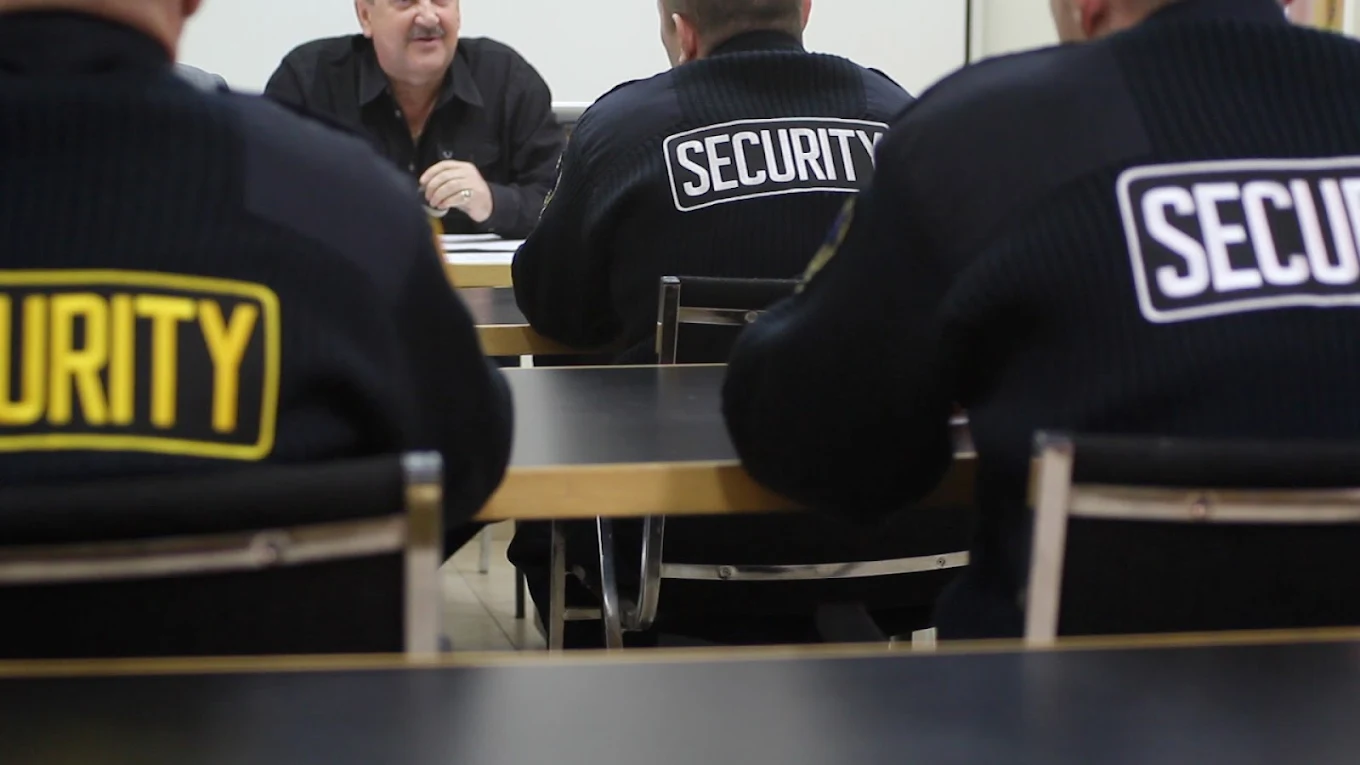
For businesses that use onsite security guard services, the security team plays a central role in emergency response. A trained security professional is not just a deterrent presence during normal operations. They are the first responder for a wide range of emergencies, from a medical situation on the floor to a physical altercation between customers to a fire alarm that requires immediate crowd management. Emergency security guard dispatch protocols mean that additional support can be called in quickly if the initial situation requires more personnel than are already on site. Having that capability in place before an emergency occurs is what allows a business to respond at the speed the situation requires.
Communication is what holds an emergency response plan together when things are actually happening. Your security team, your management staff, your employees, and your external emergency contacts all need to be reachable quickly and need to know what channel to use. For larger businesses and event environments, radio communication between security personnel and event or facility staff keeps everyone updated in real time and prevents the kind of information gaps that cause confusion and delay during an incident. Operational security management that builds communication into every layer of the plan produces much better outcomes than response plans that rely on people figuring out how to reach each other in the moment.
Physical security planning and audits should include a review of how the emergency plan holds up in practice. This means running through scenarios, testing whether your alarm systems actually alert the right people, checking whether your camera systems cover the areas where emergencies are most likely to develop, and making sure your security team knows the layout of the space well enough to navigate it quickly under pressure. A Bay Area security company that offers this kind of audit as part of their service gives businesses a much clearer picture of where their emergency preparedness is strong and where it needs work.
How Professional Security Services Support Emergency Preparedness
Professional security services are not a replacement for an emergency plan. They are a core component of one. The value of having trained security personnel in place goes well beyond day-to-day deterrence. In an emergency, the presence of professionals who know what to do, who have communication tools in hand, and who have already thought through how to respond in that specific environment is the difference between a controlled situation and a chaotic one.
For retail businesses, retail store security guards who are trained in emergency response protocols add a layer of capability that most retail staff simply do not have. Retail loss prevention security is one part of what these professionals do. But their ability to manage a medical emergency, de-escalate a threatening situation, or coordinate an orderly evacuation is equally important and often the more consequential skill when something serious occurs. Top retail theft prevention security companies in San Francisco train their personnel to handle the full range of situations a retail environment might face, not just shoplifting.
For businesses that host events, the emergency planning component becomes even more important because the population on site is less predictable and less familiar with the space. Security operations for large corporate events include pre-event emergency planning as a standard part of the deployment. Guards are briefed on evacuation routes, medical response protocols, and how to communicate with local emergency services before the first guest arrives. Event safety and crowd control services provided by experienced professionals cover not just the management of the crowd during the event but the management of that crowd if something goes wrong and everyone needs to move quickly and safely.
Advanced surveillance and monitoring systems support emergency response by giving security teams real-time visibility across the entire property. When an incident begins, the security lead monitoring camera feeds can immediately see where it is happening, how many people are involved, and what is developing around it. That information allows for a faster, more targeted response than would be possible if guards were relying only on radio reports from personnel on the floor. Real-time surveillance monitoring solutions are most valuable during emergencies precisely because they compress the time between something happening and someone being able to respond to it.
Business alarm system installation that is integrated with the overall emergency plan creates an automatic response trigger for situations that develop when no one is watching. When an alarm activates outside of business hours, the right emergency plan routes that alert to a monitoring center, a security team, and where appropriate local law enforcement simultaneously. A professional security guard company that offers 24-hour security services gives businesses the ability to have that response capability active around the clock without requiring constant manual monitoring.
Businesses across San Francisco that take emergency planning seriously tend to have a few things in common. They have done a proper risk assessment. They have a written emergency plan that has been shared with everyone who needs to know it. They have professional security coverage that is built around their specific environment and risk profile. And they review and update that plan regularly rather than treating it as a one-time exercise.
Jeff Gutierrez Event Security Guard works with businesses and event organizers throughout the Bay Area to build security and emergency preparedness plans that hold up under real conditions. The businesses that are best prepared for emergencies are not the ones waiting to see what happens. They are the ones who built their response plan long before they needed it, and who work with professional security partners who bring the experience and training to make that plan work when it matters most.