Ways to Improve Hotel Guest Safety
Guests staying at a hotel expect two things above everything else. A comfortable place to sleep and a safe one. Most hotels do a reasonable job with comfort. Safety is where the gaps tend to show up. A hotel is a unique environment because it is essentially a public building that operates like a private one. Dozens or even hundreds of strangers are moving through lobbies, hallways, elevators, parking garages, and common areas at all hours of the day and night.
Some are guests. Some are staff. Some are visitors. And some have no business being there at all. Managing all of that movement while keeping every guest safe is a real challenge that requires more than a front desk and a key card system.
Hotel safety incidents range from petty theft in rooms and common areas to more serious situations like assaults, unauthorized access, and disturbances that affect multiple guests at once. When these things happen, they damage the hotel’s reputation, create legal liability, and most importantly, they harm the people who trusted the property with their safety. Prevention is always the better path, and the hotels that do it well treat security as a full operational priority rather than an afterthought. Here is a practical look at the most effective ways to improve hotel guest safety.
Controlling Access Throughout the Property
Access control is the starting point for any serious hotel safety plan. The lobby is the most obvious point of entry, but it is far from the only one. Service entrances, parking garages, pool areas, fitness centers, rooftop access, and stairwells all represent entry points that, if left uncontrolled, give unauthorized individuals a way into areas where guests expect to be safe. A hotel that only monitors the front door is leaving most of its property unprotected.
Key card systems for guest room floors are now standard in most hotels, but they only work if they are consistently enforced and regularly audited. Cards that are not deactivated after checkout, doors that are propped open by staff during cleaning, and elevators that bypass floor restrictions are all common failures that undermine the system entirely. A physical security planning and audit of the full property helps identify exactly where these gaps exist so they can be fixed before they create a problem.
Professional unarmed security officers stationed at key access points throughout the property add a human layer of control that technology alone cannot provide. Unarmed security San Francisco hotels rely on for lobby and common area coverage are trained to recognize guests versus non-guests, handle unauthorized individuals calmly and professionally, and maintain the kind of welcoming atmosphere that hotels depend on while still keeping firm control over who goes where. A guard at the lobby entrance, near the elevator banks, and at the entrance to the parking structure covers the three most common points of unauthorized access in a typical hotel.
Guide tips for tightening access control at hotels:
- Audit key card access logs regularly to catch deactivation failures and unauthorized entry attempts
- Station professional unarmed security officers at lobby entrances during peak evening and overnight hours
- Secure all service entrances with keypad or card access and restrict those codes to active staff only
- Make sure stairwells are accessible from guest floors but require key card access to re-enter from stairwells
- Keep parking garage access controlled and well-lit with camera systems covering all levels
Surveillance Systems and Alarm Coverage That Actually Works
Camera systems are one of the most visible and effective tools a hotel can use to improve guest safety. When guests see cameras in lobbies, hallways, elevators, and parking areas, it signals that the property takes security seriously. More practically, live surveillance allows security personnel to monitor activity across the entire property from a central point and respond to developing situations before they escalate. The key word is live. Cameras that only record without anyone watching them are useful for investigations after the fact but do nothing to prevent incidents as they happen.
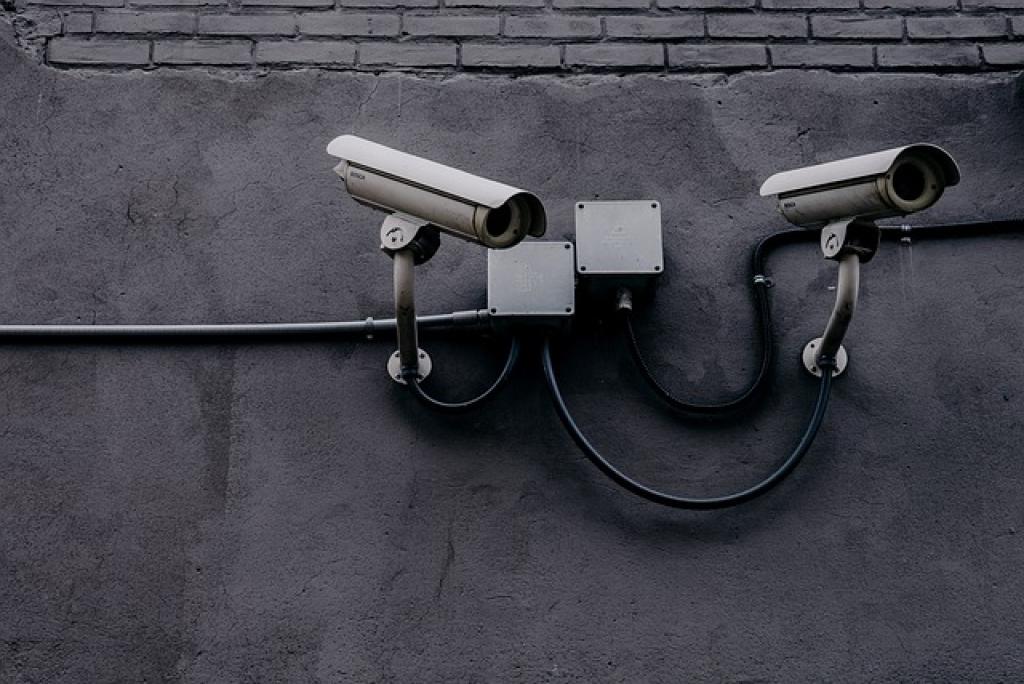
Real-time surveillance monitoring solutions give hotel security teams the ability to watch multiple areas simultaneously and direct onsite security guard services to specific locations the moment something looks wrong. If a camera picks up an unauthorized individual in a guest hallway, a guard can be there within minutes rather than hours. Advanced surveillance and monitoring systems designed for hospitality environments cover all the areas that matter without creating the intrusive feeling that guests find uncomfortable. The goal is coverage without making the property feel like a controlled facility.
Commercial surveillance system installation in a hotel setting requires careful planning. Cameras need to cover every common area, all entry and exit points, elevator interiors, and parking structures without pointing into rooms or areas where guests have a reasonable expectation of privacy. Professional surveillance camera installation done by experienced surveillance system installers San Francisco hotel operators work with produces coverage that is legally compliant, practically effective, and technically reliable around the clock.
Alarm systems are equally important. Guest room smoke detectors and fire alarms are required by law, but a full hotel security plan goes further. Business alarm system installation for hotels should include door alarms on emergency exits to prevent unauthorized use, perimeter alarms on exterior access points, and panic button systems for staff working in isolated areas like housekeeping or maintenance. When alarm systems are connected to a monitoring center that can dispatch a response immediately, the window between an alarm triggering and help arriving shrinks dramatically.
What effective hotel surveillance and alarm coverage looks like:
- Live camera monitoring of all lobbies, hallways, elevators, and parking areas connected to a security command point
- Alarm systems on all emergency exits that alert security immediately when doors are opened outside normal hours
- Panic button systems for housekeeping and maintenance staff working in isolated areas
- Camera systems with sufficient resolution and lighting to produce usable footage in low-light overnight conditions
- Regular testing and maintenance of all alarm systems to confirm they function correctly when needed
Security Staffing That Matches the Hotel’s Actual Needs
The right staffing plan for a hotel depends on its size, location, guest volume, and the types of events it hosts. A boutique hotel in a quiet neighborhood has different needs than a large convention hotel in downtown San Francisco that hosts corporate events, galas, and hundreds of overnight guests simultaneously. Getting the staffing right means doing a proper risk assessment and operational security planning review that looks at the specific conditions of the property rather than applying a generic formula.
For most hotels, a combination of armed and unarmed guard services covers the full range of situations that come up. Professional unarmed security officers handle the majority of day-to-day security needs. They manage access control, respond to guest disturbances, assist with crowd management during busy check-in and check-out periods, and provide a calm, professional presence that reassures guests without creating tension. Unarmed guard services for a hotel environment need to balance security effectiveness with hospitality, since guests who feel surveilled or intimidated have a very different experience than guests who feel genuinely protected.
Armed security guards San Francisco hotels bring in for specific situations add a stronger layer of protection when the risk profile calls for it. Large events hosted at hotel venues, high-profile guests requiring executive protection and armed security, or properties in areas with elevated safety concerns are all situations where armed guards serve a clear purpose.

Hire armed security guards when the nature of the event or the guest list creates risks that go beyond what unarmed personnel are equipped to handle. The presence of armed guards at specific positions during high-risk periods does not need to define the overall atmosphere of the property. Placement and visibility are managed carefully so protection is present without being overwhelming.
Hotels that host events face an additional layer of complexity. Security operations for large corporate events held at hotel venues need to account for both the event guests and the hotel’s regular guests sharing the same building and many of the same spaces. High-end event security management for hotel-hosted functions covers access control for the event, crowd flow management in shared spaces, coordination with hotel staff, and emergency response planning that works for both populations at once.
Jeff Gutierrez Event Security Guard has direct experience managing this kind of layered event and hotel security in San Francisco, where large venue events and boutique hotel gatherings both require tailored approaches.
24-hour security services San Francisco hotels depend on for overnight coverage are one of the most important investments a property can make. The overnight hours between midnight and early morning are when most hotel security incidents happen. Guests are in their rooms, staff levels are reduced, and the property is quieter, which makes it easier for problems to develop without being noticed. A dedicated overnight security team that patrols the full property, monitors surveillance feeds, and responds to any alarm or report keeps the entire building protected during the hours when it is most vulnerable.
Jeff Gutierrez Event Security Guard works with hospitality properties across San Francisco and the Bay Area to build safety plans that fit the real conditions of each hotel. From customized physical security planning for properties of all sizes to onsite security guard services and emergency security guard dispatch capabilities, the approach is always built around what the specific property actually needs.
Hotel guest safety is not a single measure or a one-time investment. It is an ongoing commitment that combines strong access control, reliable surveillance and alarm systems, well-trained security personnel, and a clear plan for how all of those elements work together. Guests who feel safe come back. Guests who have a bad experience because a property was not properly protected do not, and they tell others.
The hotels that consistently get safety right treat it as a core part of what they offer, not a background function that only gets attention when something goes wrong. Start with the audit, close the gaps, staff appropriately for your size and risk level, and make sure every system is active and monitored every hour the property is open. That is what it takes to give guests the safety they expect and deserve.