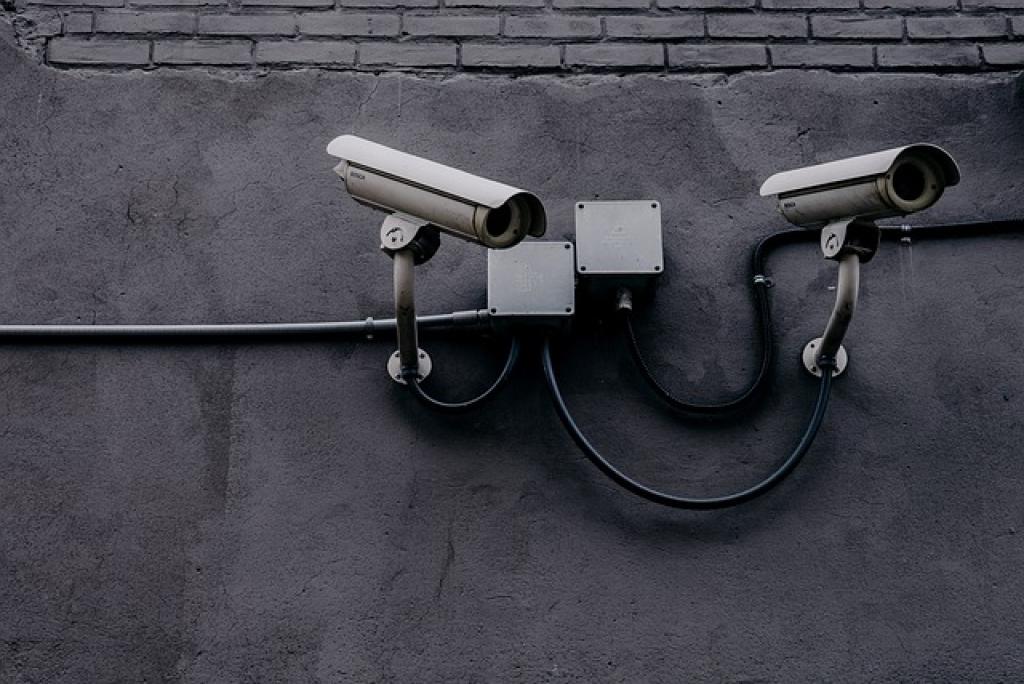

Most Overlooked Security Vulnerabilities in Commercial Properties
Walk into almost any commercial property in San Francisco and you will find some version of a security setup. Cameras above the entrance, a badge reader on the front door, maybe an alarm system that gets armed at night. On the surface, it looks like the bases are covered. But experienced security professionals who conduct physical security planning and audits for a living will tell you something that surprises a lot of property owners: the properties that get hit hardest are rarely the ones with no security at all. They are the ones with security that has gaps nobody thought to look for.
Overlooked vulnerabilities are different from obvious ones. They are not the unlocked front door or the broken camera that everyone can see needs fixing. They are the weaknesses that hide inside systems that seem to be working, inside habits that feel like procedures, and inside assumptions that have never been tested.
The Vulnerabilities Nobody Thinks to Check
Most commercial property managers have walked their building and feel reasonably confident they know where the risks are. The problem is that a casual walkthrough does not reveal the same things that a trained risk assessment and operational security planning process does. There is a real difference between looking at a building and knowing what to look for in a building, and that difference is where the most costly vulnerabilities tend to live.
Tailgating through access-controlled doors is one of the most consistent findings in any commercial property security audit, and it is almost never on anyone’s radar until it is pointed out. Tailgating happens when an authorized person badges through a secured door and one or more unauthorized people follow them through before the door closes, relying on social courtesy and the discomfort of challenging a stranger to avoid detection.
In a busy office building with high foot traffic, this can happen dozens of times a day without triggering any alarm or any camera alert. The access control system logs show that one badge was used. It has no way of recording how many people actually walked through. Professional unarmed security officers stationed at high-traffic access points eliminate tailgating by providing human verification that technology cannot.
Stairwells and service corridors are the interior spaces that receive the least attention in almost every commercial property security setup. Elevators get cameras. Lobbies get cameras. Main hallways get cameras. But stairwells, which connect every floor of a building and provide a way to move between levels without being seen in any monitored space, are frequently left uncovered.
The same is true for service corridors, loading areas accessible from inside the building, and utility rooms that are sometimes left unlocked because maintenance staff find it convenient. Anyone who gains entry to a commercial building through any means has immediate access to these spaces, and without coverage there, they can move through the property with very little risk of being observed.
Vendor and contractor access is a vulnerability that almost every commercial property manager will recognize as a potential problem once it is named, but that very few have active protocols around. Vendors come and go through commercial properties constantly: cleaning crews, IT contractors, equipment maintenance personnel, food delivery services, and dozens of other categories of visitors who have legitimate reasons to be on the property but who receive very little formal screening or monitoring.
A cleaning crew that works an overnight shift has prolonged access to every part of the building with minimal oversight. A contractor who finishes a job but whose access credentials are never revoked has continued access long after their authorization ended. Operational security management that includes a formal vendor credentialing, logging, and revocation process is the specific fix for this vulnerability, and it is the kind of administrative security measure that a professional security guard company can help implement as part of a broader business security solutions plan.
Here is a guide-style list of the overlooked access vulnerabilities most commonly found in commercial properties during security audits:
- Tailgating at badge-controlled access points in high-traffic areas where social pressure makes challenging someone feel awkward for staff without security training.
- Stairwells and service corridors that connect all levels of a building but receive no camera coverage and no regular patrol attention.
- Active vendor access credentials that have not been reviewed or revoked after the work they were issued for has been completed.
- Roof access points, mechanical rooms, and utility spaces that are unlocked for convenience but sit completely outside the monitored area of the property.
- Shared access codes or PIN numbers that were changed once years ago and have been distributed to so many people over time that they cannot function as meaningful access control.
- Side and rear entrances that are used regularly by staff but that receive no camera coverage and no access logging, creating unmonitored entry and exit points throughout the business day.
Technology That Creates False Confidence
Security technology is genuinely valuable, but it creates a specific kind of problem when it is installed without being fully understood or maintained. A business that has invested in camera systems, alarm systems, and commercial surveillance system installation often operates with a level of confidence in its security that may not reflect what those systems are actually doing. This false confidence is itself a vulnerability, because it reduces the likelihood that anyone will look critically at whether the technology is performing as expected.
Camera blind spots are present in almost every commercial surveillance system that was not designed by someone who specifically studied how people move through that property. Cameras are typically placed at the most obvious locations: above the front door, behind the reception desk, at the main intersection of a hallway.
But the angles and coverage areas of those cameras rarely account for how people actually behave when they want to avoid being seen. A person who knows a camera is present and wants to avoid it will move along the wall below its field of view, duck behind a display or a piece of furniture, or time their movement to coincide with moments when the camera feed is not being actively monitored.
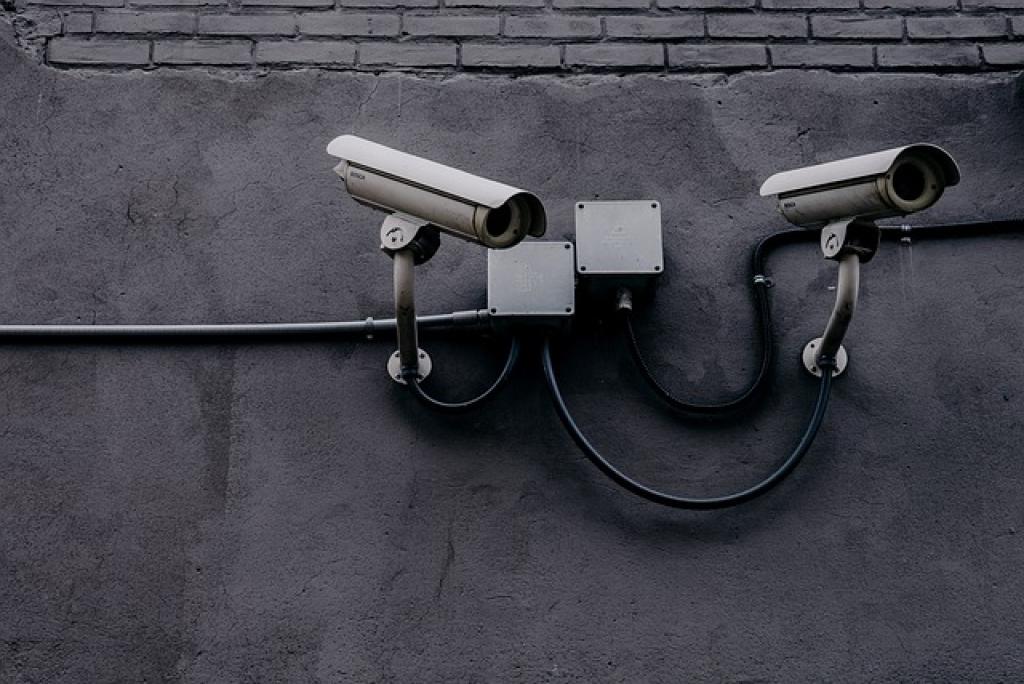
Professional surveillance camera installation designed around a detailed understanding of the property layout and the behavior patterns of potential threats places cameras where they actually need to be, not just where they are easy to install.
Alarm systems that are never tested are common in commercial properties, and the assumption that an untested alarm is a functioning alarm is one of the more dangerous assumptions a property manager can make. Sensors fail. Batteries drain. Communication links between the alarm panel and the monitoring center drop without generating a visible error. A property can go months or even years with an alarm system that has silent failures in specific zones, meaning that specific doors or windows are no longer protected even though the alarm control panel shows the system as armed and active.
Regular testing of every sensor in the system, every communication pathway, and every response protocol is the only way to know whether the alarm is actually doing what it is supposed to do. Alarm and camera system installation for businesses that includes a scheduled testing and maintenance program from the start prevents this vulnerability from developing quietly over time.
Remote monitoring that nobody is actually watching is a version of the false confidence problem that appears frequently in commercial properties that have invested in advanced surveillance and monitoring systems. The systems are real. The cameras are live. The feeds are accessible from anywhere on a mobile device. But if no trained person is actively watching those feeds during the hours when the property is occupied and at risk, the monitoring capability is theoretical rather than actual. Real-time surveillance monitoring solutions only deliver their prevention value when a trained person is engaged with them. A recorded feed that nobody checks until after an incident is documentation, not security.
Human and Organizational Gaps That Technology Cannot Fix
Some of the most significant vulnerabilities in commercial properties have nothing to do with cameras, alarms, or access control hardware. They exist in the human systems around those tools: the procedures that are not followed consistently, the training that was done once and never repeated, and the organizational habits that have never been challenged because they have always just been the way things are done.
Inconsistent enforcement of security procedures is one of the most damaging organizational vulnerabilities a commercial property can have. A visitor sign-in requirement that is enforced when the receptionist is at their desk but ignored when they step away for lunch creates an access gap that occurs multiple times every day. A protocol requiring that all deliveries be received at the loading dock that gets quietly bypassed because it is more convenient for some staff to accept packages at the front door creates an unmonitored entry point that looks like a managed one.
Security procedures only function as security when they are followed every time by everyone, and that consistency requires training, supervision, and accountability structures that most
commercial properties have not fully implemented.
The absence of security compliance logs and reporting services means that patterns in how a property is being accessed, tested by outsiders, or misused internally never become visible. Incidents that are not documented cannot be analyzed. Trends that are not tracked cannot be addressed before they lead to a serious event. A professional security guard company that provides detailed shift logs, incident reports, and regular security reviews gives property management the information it needs to make decisions that actually improve security over time rather than just maintaining the status quo.
Employee offboarding is a vulnerability that organizations across San Francisco consistently underestimate. When an employee leaves a company, the speed and completeness with which their access is revoked across all systems, physical key cards, parking access, building codes, and any shared credentials they may have known, determines whether a former employee retains the ability to access the property after their employment ends.
A thorough offboarding checklist that includes physical security access revocation as a standard step closes this gap. Without it, former employees, including those who left on poor terms, may retain building access for weeks or months after departure.
For commercial properties across San Francisco that want to close these gaps before they are exploited, the starting point is a professional security audit conducted by people who know what they are looking for. Jeff Gutierrez Event Security Guard supports commercial property clients throughout the Bay Area with physical security planning and audits, onsite security guard services, and customized physical security planning for businesses that addresses both the technology gaps and the human gaps that audits consistently reveal.
The properties that maintain genuinely strong security over time are not the ones that invested the most in hardware. They are the ones that took the time to understand where their real vulnerabilities were and worked with experienced security professionals to close them systematically. Jeff Gutierrez Event Security Guard brings that kind of focused, experienced approach to every commercial property engagement in the Bay Area.