Top Security Risks at Public Events
Public events bring people together in ways that are genuinely exciting. Concerts, street fairs, outdoor markets, sports watch parties, cultural festivals, and community gatherings all create moments that people look forward to and remember for a long time. But every one of those gatherings also creates a concentrated security environment that requires real thought and real preparation. When hundreds or thousands of people occupy the same space at the same time, the conditions that allow a good event to happen are exactly the same conditions that allow security risks to develop quickly and spread fast.
The organizers, venue managers, and city officials who handle public events well understand something that less experienced planners often miss: the risks at public events are predictable. They follow patterns. They show up in the same places, during the same moments, and under the same conditions again and again. That predictability is actually good news, because it means that with the right knowledge and the right security plan, most of what can go wrong at a public event can be prevented or contained before it becomes a serious incident. This blog identifies the top security risks at public events and explains specifically what can be done about each one.
Crowd-Related Risks That Develop Without Warning
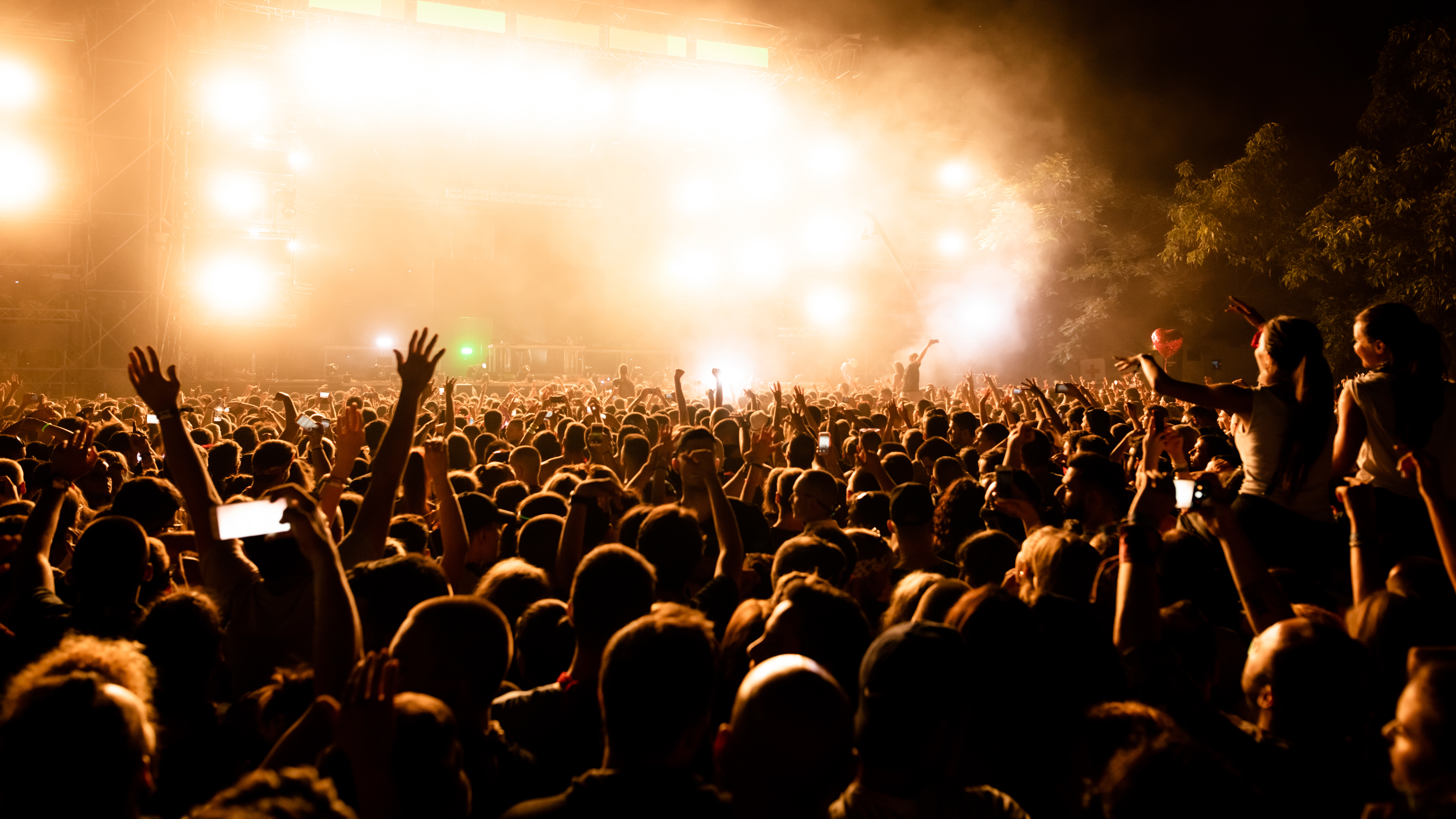
Crowds are the defining characteristic of a public event, and they are also the source of some of the most serious and fast-moving security risks. What makes crowd-related incidents so challenging is how quickly the conditions can change. A crowd that is relaxed and enjoying an event can shift in a matter of seconds when something unexpected happens, a loud noise, a sudden surge toward a stage, a confrontation between two people that draws attention, a rumor that spreads through a group before anyone can verify it. How the crowd responds to that moment is largely determined by what security measures are already in place when it happens.
Crowd crush and overcrowding are among the most serious physical risks at large public events. When too many people occupy a space that cannot safely hold them, or when crowd flow toward exits is obstructed, the risk of injury from compression and trampling becomes real. This is not a theoretical risk. It has caused deaths at events around the world, including at events that seemed well-organized on paper. Event safety and crowd control services provided by trained professionals address this through pre-event capacity planning, active monitoring of crowd density in real time, and clear protocols for managing crowd movement toward exits when the event ends or if an evacuation becomes necessary.
Crowd disturbances, meaning fights, confrontations, or aggressive behavior that spreads through a group, represent another category of crowd-related risk that professional event security is specifically trained to handle. The key to managing these situations is early identification. A trained security professional who spots two people escalating toward a confrontation can intervene before the situation draws a crowd and before anyone gets hurt.
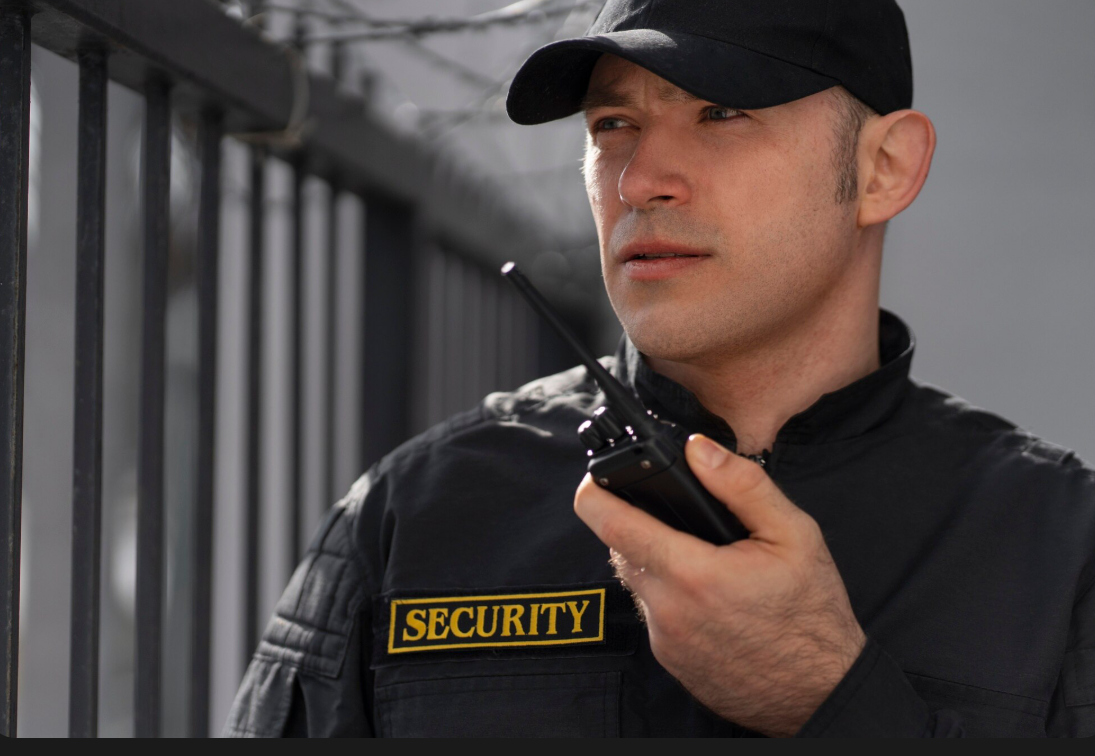
Professional unarmed security officers positioned throughout the event space, rather than concentrated only at entry points, are the most effective tool for catching these situations early. Their presence distributed across the venue gives them the visibility to see what is developing and the proximity to respond before escalation occurs.
Medical emergencies are more common at public events than most people realize. Dehydration, heat exhaustion, alcohol-related incidents, pre-existing medical conditions triggered by physical or emotional stress, and injuries from falls or crowd contact all create situations that require immediate and coordinated response. A security team that has planned for medical emergencies knows where the nearest medical station is, has a clear protocol for clearing space around someone who needs help, and can communicate with paramedics to guide them through the crowd to the right location quickly. Without that coordination, a manageable medical situation can become dangerous simply because the response took too long.

Here is a practical guide to the crowd-related risks that event security plans should specifically address:
- Overcrowding at entry points during peak arrival times, which can create dangerous compression before the event even begins if access control is not managed actively.
- Crowd surge toward stages, performance areas, or attractions where excitement concentrates people faster than the space can safely accommodate them.
- Behavioral incidents including fights, harassment, and aggressive confrontations that start small but draw crowd attention and can escalate rapidly.
- Medical emergencies requiring immediate space clearing, coordinated communication, and guided access for emergency responders through a dense crowd.
- Panic responses to unexpected stimuli, including loud noises, smoke, or visible security incidents, that can trigger dangerous crowd movement if not managed immediately with clear communication and directed guidance from security personnel.
Access Control Failures and Their Consequences
One of the most consistent sources of security risk at public events is not what happens inside the venue. It is what gets through the entrance. Access control failures, meaning situations where unauthorized people, prohibited items, or unvetted individuals gain entry to an event, create conditions that undermine every other layer of the security plan. Once someone or something that should not be inside is inside, the entire response shifts from prevention to containment, which is always more difficult and more costly.
Ticket fraud and unauthorized entry are persistent issues at ticketed public events. Counterfeit tickets, shared digital tickets, and simple gate-crashing through unmanned or lightly staffed entry points all result in people being inside the event who have not been screened. Beyond the revenue loss, these individuals have bypassed whatever screening process exists at the entrance, which means prohibited items or individuals with a history of disruptive behavior at events have had an easier path inside. Professional security guard company deployments with experienced personnel at every entry point, using reliable ticket verification systems and consistent screening protocols, close these gaps more effectively than technology alone.
Prohibited item screening is a challenge that many public events handle inconsistently. Weapons, alcohol brought from outside, and other prohibited items that make it through entry screening create risks that are entirely avoidable with thorough and consistent access control procedures. The challenge is maintaining that consistency as crowd volume increases during peak entry periods. When lines grow long and the pressure to move people through quickly builds, screening standards tend to drop. Experienced event security teams maintain consistent screening standards regardless of crowd pressure because they understand that the moment screening becomes inconsistent is the moment it stops functioning as a security measure at all.
VIP and restricted area breaches represent a specific access control failure that is more common than most people expect. When events have multiple zones with different access levels, maintaining those boundaries throughout the event requires dedicated personnel assigned specifically to those boundaries rather than relying on general floor coverage to notice when someone is in a zone they should not be in.
Private security services for VIP and executives at public events include this kind of dedicated access management as a standard component, making sure that VIP areas remain exclusive and that the people inside them are protected from contact with the general crowd. Executive protection and armed security professionals who specialize in high-profile event environments bring the discipline and awareness to maintain these boundaries consistently throughout the entire event.
Environmental and Situational Risks That Get Overlooked
Beyond the crowd and the entry points, public events carry a set of environmental and situational risks that are less visible but equally capable of causing serious harm when they are not anticipated. These are the risks that show up in the spaces between the obvious ones, in the parking lot an hour after the event ends, in the poorly lit area behind the vendor tents, in the gap between where the security team’s radio coverage ends and where the event boundary actually is.
Theft of personal property is one of the most common security incidents at public events, and it is one that most attendees do not report. Pickpocketing in dense crowds, bag theft from unattended spaces, and vehicle break-ins in event parking areas all occur at higher rates during public events than during normal daily activity in the same locations.
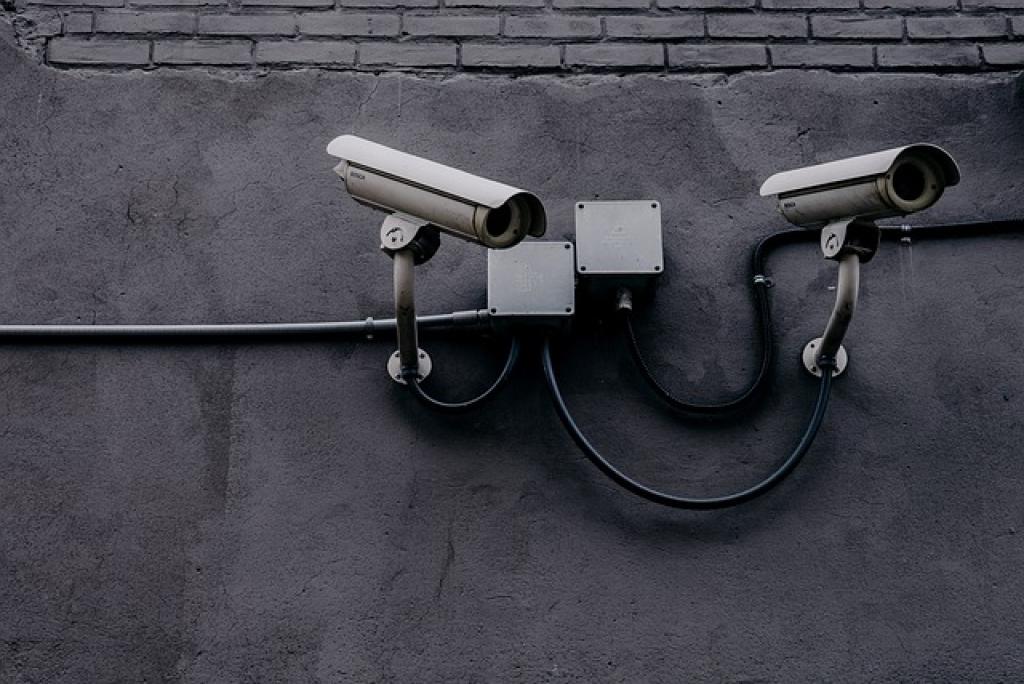
Real-time surveillance monitoring solutions that cover not just the main event space but also parking areas, perimeter walkways, and vendor zones extend the security team’s visibility into the areas where these incidents are most likely to occur. Camera systems positioned at key locations throughout the event environment, monitored live by a security lead, create a much more complete picture of what is happening across the full event footprint than stationary guards at fixed positions can achieve alone.
Unauthorized vendors and counterfeit merchandise operations frequently set up around the edges of large public events, drawing attendees away from the main event perimeter and into areas with less security coverage. Beyond the legal and commercial issues these operations create for event organizers, they also create security risks by drawing crowds into unsecured areas and by providing a cover for individuals who are surveilling the event or looking for opportunities that are harder to find inside the secured perimeter. Operational security management that extends the security team’s awareness beyond the immediate event boundary addresses this risk by maintaining visibility and patrol presence in the areas surrounding the event, not just inside it.
Post-event security is a time window that receives far less attention than it deserves. When an event ends and crowds begin to disperse, the security focus often relaxes at exactly the moment when several risk factors converge: large numbers of people moving through limited exit points, alcohol effects peaking for some attendees, the energy and attention of the security team declining after hours of sustained focus, and the natural confusion of a large group trying to find transportation simultaneously.
Experienced event security operations treat the post-event period as a distinct security phase with its own staffing plan, its own patrol assignments, and its own communication protocols with local transportation and law enforcement. Security operations for large corporate events and festivals in San Francisco that are managed by professional teams like Jeff Gutierrez Event Security Guard account for this window as a standard part of every deployment.
Risk assessment and operational security planning that covers the full event lifecycle, from setup through teardown, is what separates security plans that hold up under real conditions from plans that look good on paper but fail during the moments that matter most. Jeff Gutierrez Event Security Guard builds event security plans for public gatherings across the Bay Area that address crowd risks, access control vulnerabilities, and environmental threats as a connected system rather than as isolated checklist items.
The best event security companies in San Francisco understand that public events are dynamic environments where risks shift throughout the day, and that a security plan needs to be just as dynamic in how it responds to those shifts. When the right people, the right technology, and the right plan are working together from the moment the first vendor arrives to the moment the last guest leaves, public events are genuinely safer for everyone inside them.