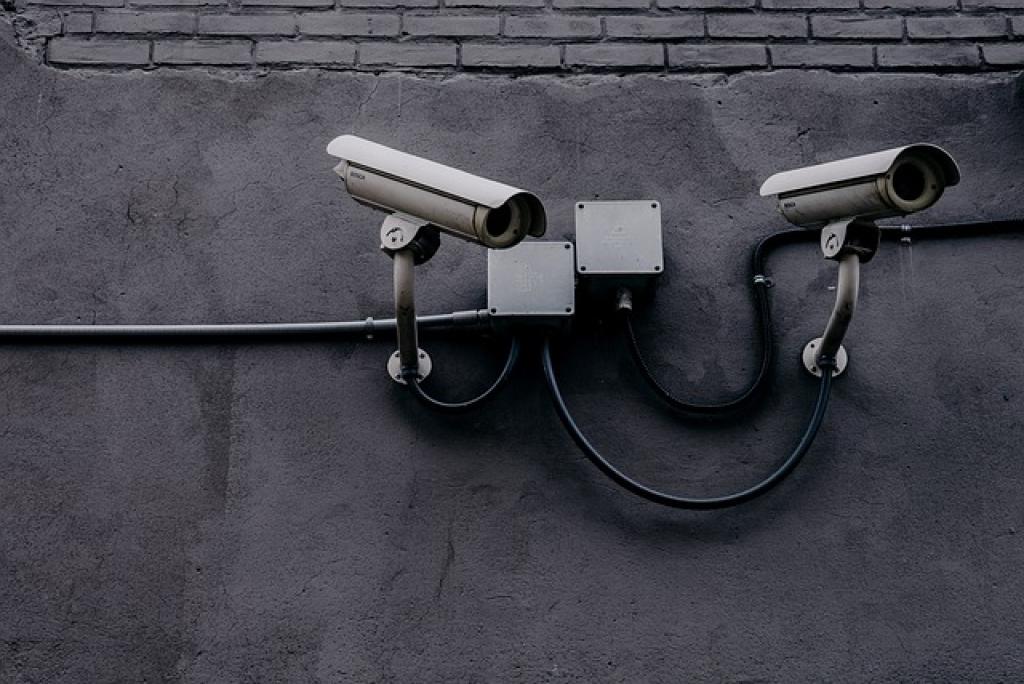

Effective Ways to Monitor Large Properties
A small retail shop and a sprawling commercial campus are both properties that need security. But everything about how you protect them is different. The tools are different. The staffing approach is different. The way information moves between the people responsible for security is different. And the consequences of getting it wrong are different too, because a gap in coverage on a large property is not a blind corner behind a shelf. It is an entire section of land, an entire building wing, an entire parking structure where something can develop completely undetected for an extended period of time.
Large property monitoring is one of the more technically and operationally demanding areas in the security industry. It is not just about having more cameras or more guards. It is about designing a system where every layer of coverage connects to every other layer, where the people watching have the tools to actually see what is happening across a large and complex space, and where the response when something is detected can reach the right location fast enough to matter. Getting that right requires a different way of thinking about security than most people apply to smaller properties.
Why Large Properties Break Standard Security Approaches
The security methods that work well for a single-building business start breaking down at scale for specific and predictable reasons. Understanding those reasons is the starting point for building something better.

The first problem is visibility. A single guard posted at one location on a large property can only see what is directly around them. The rest of the property is invisible to them unless they are actively moving through it. Even with cameras, a basic setup designed for a small space will have far too many blind spots to provide reliable coverage across a large site. Large properties have multiple buildings, internal roads, fenced perimeters, loading areas, utility access points, parking areas that stretch out across significant distances, and interior spaces that are functionally separate from each other. Covering all of that with a system designed for a compact space is like using a flashlight to light a stadium.
The second problem is response time. On a small property, a guard who detects a problem can reach any point on the site in seconds. On a large property, that same response might take several minutes if the incident happens at the far end of the site from where the guard is standing. Those minutes matter enormously in a break-in, a medical situation, or any scenario where quick physical response changes the outcome. A large property security plan has to account for response time as a real variable rather than assuming that detection and response happen at the same speed regardless of distance.
The third problem is communication. On a small property, two guards can coordinate by sight or by a quick radio exchange. On a large property, a security team might be spread across multiple zones that are not within visual range of each other. If the communication system between them is unreliable, slow, or unclear, the team operates as a collection of individuals rather than a coordinated unit. A situation that develops in one zone and spills into another goes uncoordinated until it is already serious.
The fourth problem is coverage gaps over time. Static security setups on large properties almost always develop predictable gaps that anyone observing the property can learn and exploit. A guard who patrols the same route at the same time every night creates a schedule that is visible to anyone watching. A camera system with fixed angles covering the same positions twenty-four hours a day is a system that experienced bad actors can map and work around. Large property security has to account for the fact that coverage patterns themselves become a vulnerability if they never change.
Specific reasons large properties need a different approach:
- Multiple entry and exit points that cannot all be staffed simultaneously without significant personnel investment
- Interior zones that are functionally separated from each other and require independent coverage strategies
- Extended perimeters that create more potential breach points than a compact site
- Response time constraints that make early detection far more important than on smaller properties
- Operational complexity that makes communication and coordination between security personnel a critical function rather than an afterthought
The Technology Layer: What Actually Works at Scale
Camera systems are the backbone of large property monitoring, but the way they are deployed at scale looks very different from a basic commercial setup. A large property needs cameras that can cover wide angles without sacrificing resolution, that perform in low light and in direct sunlight without losing image quality, and that are positioned based on a coverage map rather than placed wherever seems logical in the moment.
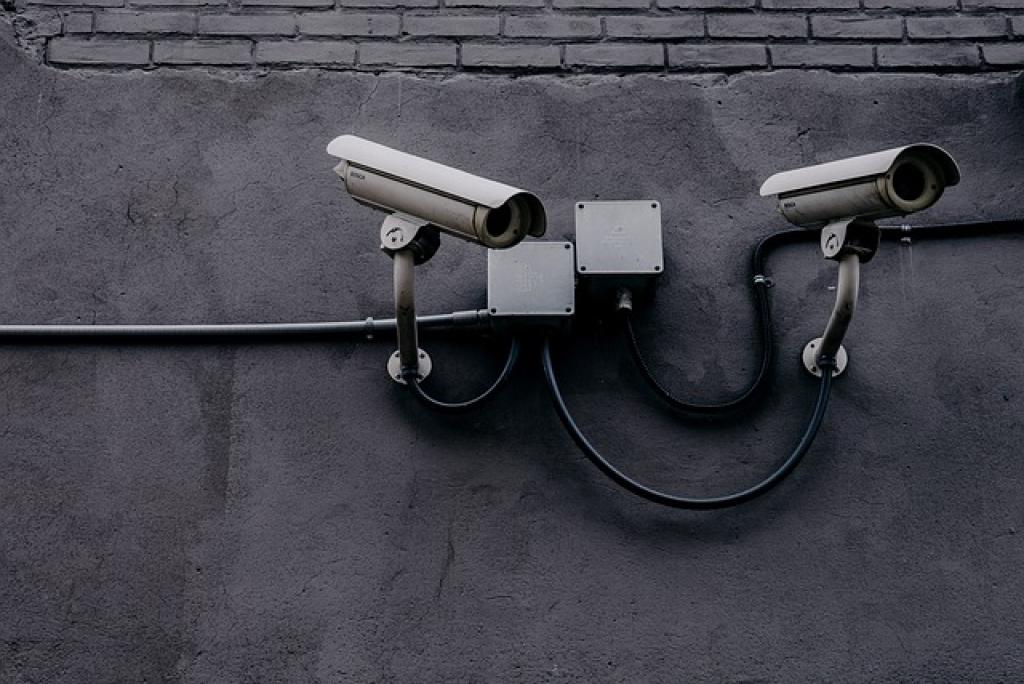
Commercial surveillance system installation on a large property starts with that coverage map, which identifies every critical zone, every entry and exit point, every blind spot created by the physical layout of the buildings and terrain, and every location where an incident would have the most serious consequences if it went undetected.
Professional surveillance camera installation at large sites often includes a mix of fixed cameras and pan-tilt-zoom units. Fixed cameras cover defined areas reliably and continuously. Pan-tilt-zoom cameras can be directed by a monitoring operator to follow developing situations, zoom in on specific activity, and cover areas that are too large for a fixed camera to capture with enough detail to be useful. The combination of both types gives a monitoring team both steady baseline coverage and flexible response capability from a single system.
Real-time surveillance monitoring solutions change what camera systems are actually capable of. A camera that records without anyone watching it is a documentation tool. A camera connected to a live monitoring station where trained operators are watching multiple feeds simultaneously is a detection and response tool. That distinction is enormous for large properties where an incident can develop and resolve itself in the time between when it happens and when recorded footage is reviewed.
Advanced surveillance and monitoring systems used by professional security operations on large properties include motion detection alerts, zone-based alarm triggers, and operator interfaces designed to manage high volumes of simultaneous feed without missing developing situations.
Alarm systems on large properties need to be zone-specific rather than property-wide. A single alarm that covers the entire site tells a monitoring team that something happened somewhere on the property. A zone-specific alarm system tells them exactly where. That precision matters for response time and for understanding what type of response is needed. An alarm triggered at a perimeter gate calls for a different response than one triggered inside a secured storage building, and a system that cannot make that distinction slows everything down at exactly the moment speed is most valuable.
Business alarm system installation on large properties should integrate directly with the camera system so that when an alarm fires in a specific zone, the camera covering that zone is automatically surfaced to the monitoring operator. That automatic correlation between alarm trigger and visual confirmation is what allows monitoring teams to assess a situation and dispatch the right response within seconds rather than minutes. Alarm and camera system installation for large properties designed as an integrated system from the start performs significantly better than two systems installed separately and connected after the fact.
Guide tips for building an effective technology layer on a large property:
- Start with a site map and mark every critical zone, entry point, and high-risk area before deciding where a single camera or sensor goes
- Use overlapping camera angles at the highest-risk zones so that no single camera failure creates a complete blind spot in a critical area
- Test the alarm-to-camera correlation before the system goes live so monitoring operators know the automatic surfacing works correctly under real conditions
- Review camera placement after the first ninety days of operation because real-world usage almost always reveals blind spots that were not obvious during installation planning
- Keep firmware and software on all surveillance and alarm components current because outdated systems create vulnerabilities that compromise the entire network
Guard Deployment Strategies That Cover Ground Without Wasting Resources
Technology tells you what is happening. Guards determine what happens next. On a large property, the question of how to deploy security personnel is genuinely complex because the property is too large for any single guard to cover and too important to leave sections unattended. The answer is zone-based deployment combined with mobile patrol, structured so that every part of the property has defined coverage responsibility and every guard knows exactly what area they own and what they do when something happens in it.
Zone-based deployment assigns specific sections of a large property to specific security personnel. Each guard is responsible for active monitoring of their zone, which includes regular patrol of the area, attention to the camera feeds covering their zone if they have access to a monitoring point, response to any alarm or detection within their zone, and communication to the central command point when anything notable occurs. This structure ensures that responsibility is clear and that no section of the property is in a gray area where two guards each assume the other is covering it.
Mobile patrol layers on top of zone coverage to address the predictability problem. Mobile patrol units move through the property on variable schedules and variable routes, covering the full site without following a pattern that can be observed and mapped by someone watching from outside. Professional onsite security for construction sites and large commercial properties often uses vehicle patrol for this function because it allows a single guard to cover a large perimeter quickly while remaining visible enough to deter opportunistic activity. Foot patrol works better for interior spaces and covered areas where vehicle access is limited.
Onsite security guard services on large properties benefit enormously from a well-structured command point. A central location where a monitoring operator watches live surveillance feeds, manages alarm responses, and coordinates with zone guards and mobile patrol units is what ties the entire operation together. Without a command point, guards on a large property operate independently and the coordination that allows fast, effective response to incidents simply does not happen. The command point does not need to be large or elaborate. It needs to be staffed, connected to all surveillance and alarm systems, and in reliable communication with every guard on the property at all times.
For properties with genuinely elevated risk profiles, armed security guards San Francisco operations deploy at specific high-risk positions within the larger coverage plan. Armed guards are not typically distributed evenly across a large property. They are positioned at the points of greatest risk, such as secured storage areas containing high-value assets, cash handling locations, or access points with documented histories of serious incidents. Hire armed security guards for those specific positions based on a risk assessment of where their presence changes the security calculus most meaningfully, not simply to increase the overall armed presence across the site.
For large properties that host events in addition to their regular operations, security operations for large corporate events require an overlay plan that accounts for the temporary changes in foot traffic, access patterns, and risk profile that come with having a significant number of guests on site. Event safety and crowd control services on a large property that is also an active commercial or industrial site need to carefully separate guest areas from operational areas and adjust guard deployment to cover the event footprint without reducing coverage of the rest of the site.
Jeff Gutierrez Event Security Guard works with property owners and managers across San Francisco and the Bay Area on exactly this kind of large-scale security planning. The properties are different every time. A large waterfront venue used for corporate events is a completely different planning exercise than a multi-building commercial campus or a construction site covering several city blocks. The approach that works is always the one built specifically for that property rather than adapted from a template designed for somewhere else.
Risk mitigation and threat assessment services are the starting point for any large property security plan worth following. A property that has been properly assessed knows which sections carry the highest risk, which entry points are most vulnerable, which hours of the day are most likely to produce incidents, and which assets most need protection. That assessment shapes every other decision, from how many guards to deploy and where, to what kind of camera and alarm infrastructure to invest in, to how the command point is staffed and what authority the team lead has to make real-time decisions.
Security compliance logs and reporting services are especially important on large properties because the volume of activity that needs to be tracked is significantly higher than on a compact site. Every patrol, every alarm event, every guard interaction, every camera alert, and every incident of any severity needs to be logged with enough detail to be useful for review. Those logs become the basis for identifying patterns, adjusting the security plan over time, and demonstrating to property owners, insurers, and legal counsel that the security operation was functioning as intended if an incident results in a claim or a dispute.
Large property monitoring done well is not about throwing as many resources at a site as possible and hoping coverage emerges from the volume. It is about designing a system where technology, personnel, and protocols work together specifically for the size and complexity of that property. The camera system sees what the guards cannot. The guards respond to what the cameras detect.
The alarm system accelerates that detection-to-response loop. The command point ties everything together and keeps every part of the operation coordinated. When all of those pieces are designed together and maintained properly, a large property stops being a security challenge and becomes a secured environment where incidents get caught early, handled quickly, and documented thoroughly. That is what effective large property monitoring actually looks like in practice.